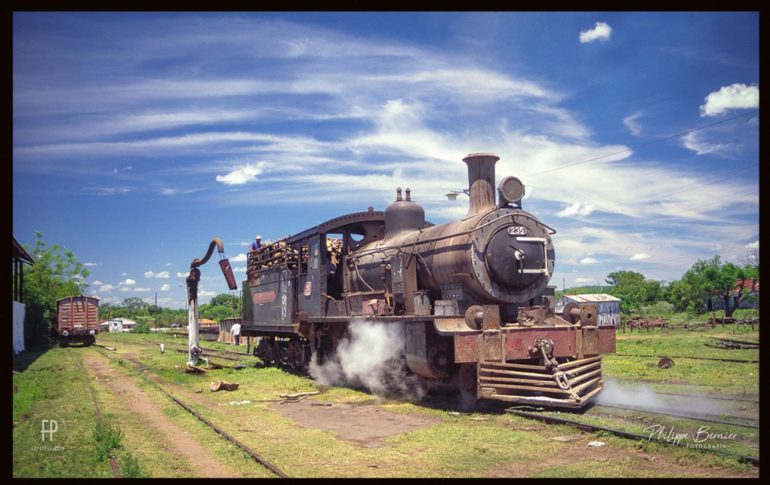

About 80 kilometres east of Asunción, in Piribebuy, a French photographer has spent much of his life building a particular way of seeing Paraguay. Philippe Bernier did not come to document the country, but he ended up doing exactly that: assembling it image by image, in postcards that circulate among tourists, fairs and travel memories, like the series he recently developer for the Paraguayan post office. This is his story.
Building a life project in Paraguay
Philippe Bernier arrived in Paraguay as a missionary and, like many foreigners in that context, he thought it would be just another stage of his life. However, the years changed his plans. He formed a family and began building a life project in the country. What was initially meant to be a temporary stay became a permanence of decades. Adaptation was not a major challenge either.
Before arriving, he already spoke Spanish, and over time, language ceased to be a difference. “Today I already speak like a Paraguayan,” Bernier tells The Asunción Times.
Much more than taking a photograph
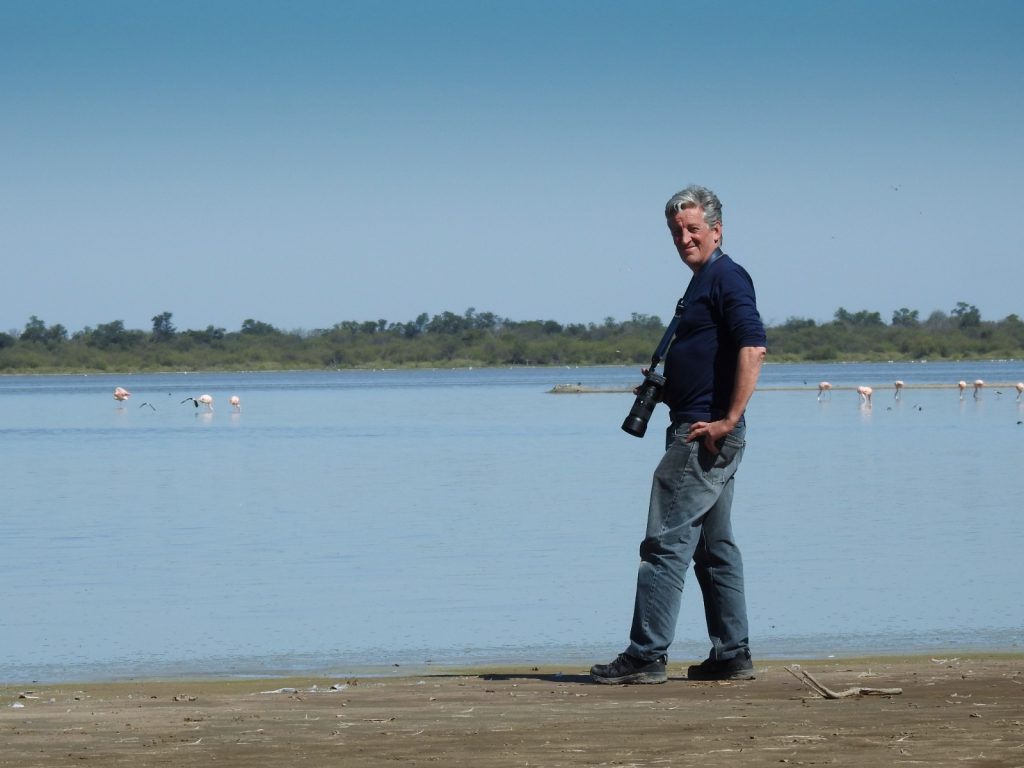
When Bernier began producing postcards, the landscape was very different. He recalls that in Paraguay there were practically no such products or, if they existed, they were quite basic. It was then that he decided to try something different. But the challenge was not only taking photographs, it was also necessary to find a way to produce them.
“At that time there was nothing digital. One had to be inventive to achieve good colours, good resolution and photographs that people would like.”
For years, the process was entirely artisanal: photographs developed in a laboratory in Asunción, then glued one by one onto printed cardboard. The work was so slow that he ended up building his own machine to speed up the drying process.
Only years later did digital printing simplify much of the work. However, those early postcards taught him something he still applies today. “It is not enough to take a good photograph. It is also necessary to understand which image can become a memory that someone wants to take with them.”
Learning to look
His interest in photography began before arriving in Paraguay. While studying graphic design in France, he bought a second-hand camera and began photographing landscapes as a hobby. That experience proved useful when he settled in Paraguay and started producing his own postcards. When photographing, Bernier pays special attention to composition and to the way light highlights certain elements of a scene.
“What I look for is for the light to give something special to the photograph. Sometimes it can be something very common, such as a papaya plant, but if there is an interesting composition or special light, the image works.”
Rather than pursuing technical perfection, Bernier tries to find scenes that convey something characteristic of the country, natural landscapes, everyday activities, crafts and ways of life he considers representative of Paraguay.
A Paraguay that was changing while he travelled through it
When he arrived, Philippe Bernier remembers a very different country, marked by an abundance of nature, greenery, animals and birds. What struck him most in those early years, however, was his relationship with people. “People were very warm, very simple, they offered what they had. That made you feel good,” he recalls.
Over time, the country changed considerably. Roads improved, services expanded and a gradual process of modernisation began. For Philippe Bernier, these changes transformed the way of moving through and living in Paraguay, a country today very different from the one he first encountered.
Portraying the diversity of Paraguay
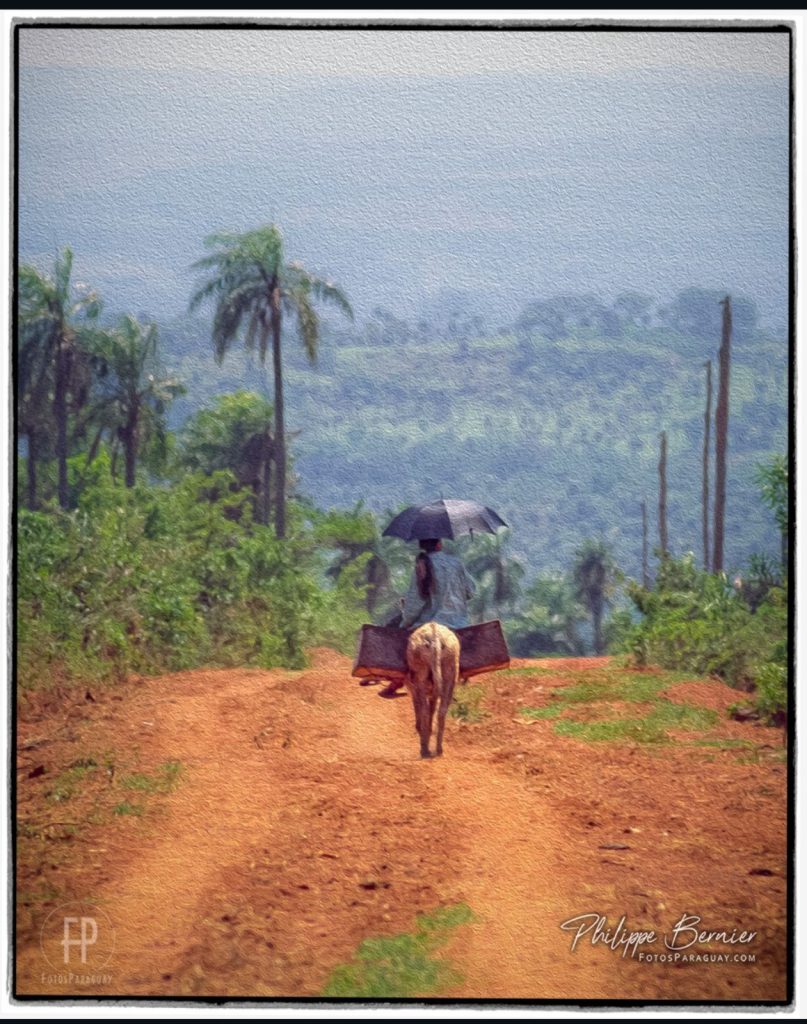
Of all the places he has photographed, the Pantanal stands apart. “There are places where it feels like you are on another planet,” he says. He has also photographed indigenous communities, especially in the Fuerte Olimpo area, noting that Paraguay’s cultural diversity is often overlooked. Mentioning that, in addition to peoples of Guaraní origin, there are around 19 indigenous peoples grouped into several distinct linguistic families.
He acknowledges that for a long time some clients preferred to avoid images related to indigenous communities or rural life. “There was quite a lot of prejudice.” He considers that this perception has gradually changed, although it reflects past tendencies to make these sectors of the population invisible.
This shift in how Paraguay chooses to represent itself is visible beyond individual photographers. Earlier this year, the Paraguayan Post Office launched its own postcard collection showcasing the country’s cultural and scenic heritage, an institutional acknowledgement that the images a country sends out into the world matter.
Looking towards the future
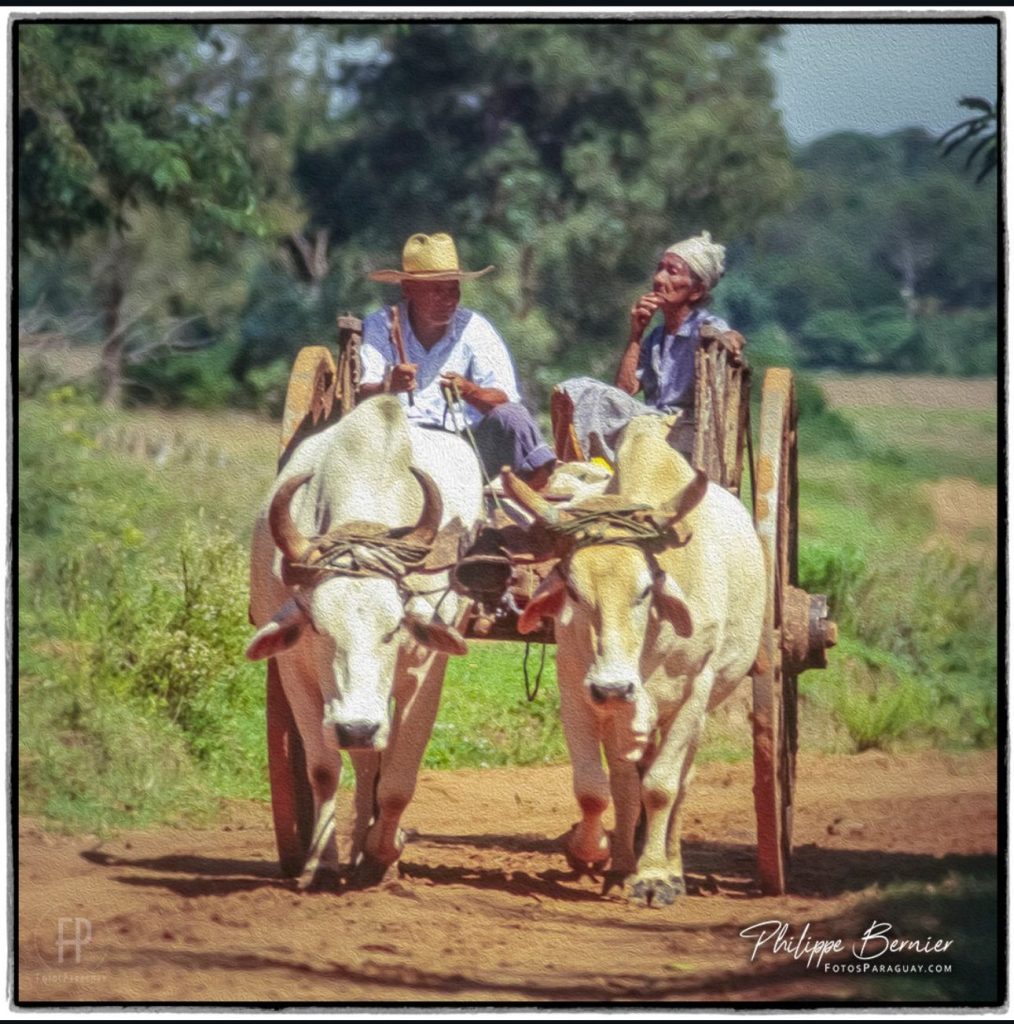
The pandemic marked a turning point in his work. The paralysis of tourism forced him to rethink several projects. Following the recovery, his activity gradually returned, and he has since begun incorporating new formats, including video and sound recording of landscapes and wildlife, expanding the way he documents the country.
Among his future ideas, he considers the possibility of publishing a photographic book and holding an exhibition that brings together decades of accumulated work. His approach, however, remains the same: to turn photography into a form of work that allows him to continue travelling and recording Paraguay from different angles, regardless of the format in which it is ultimately presented.
To check Philippe Bernier’s work you can take a look at his instagram page.