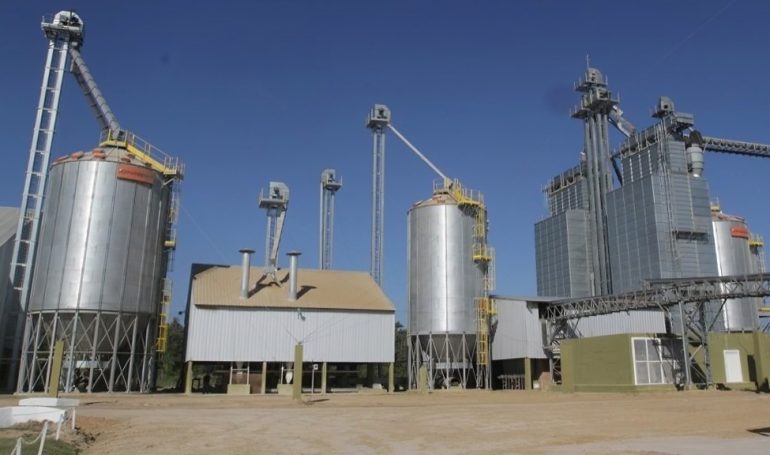

Paraguay’s grain processing sector has reported exceptional levels of activity during the first three months of 2026. Official figures indicate a significant surge in processing, with soybean milling increasing by almost 10%. Moreover, other grains such as canola and sunflower have demonstrated even more pronounced dynamism, pointing to a robust and diversifying industrial landscape.
This strong start to the year builds on previous momentum and sets a positive tone for the sector’s performance throughout 2026. Recently, the Soybean Rally 2026 event showcased innovation and resilience in Paraguay’s Chaco area.
Soybean milling drives growth
Soybean milling in March 2026 alone reached an impressive 384,126 tonnes. This figure represents the highest monthly volume achieved in recent years, with the last comparable record dating back to March 2017. This single-month performance significantly contributed to the quarter’s overall success.
Consequently, the first quarter of the year closed with a total processing volume of 765,677 tonnes of soybeans. This marks an increase of nearly 65,000 tonnes compared to the same period in 2025, which translates to a substantial growth rate of 9.3%.
Diversification drives further growth
While soybeans continue to dominate the sector, the processing of other grains has experienced even more vigorous growth. The milling of alternative crops, including canola and sunflower, saw a remarkable increase of 11.9% during the first quarter. In concrete terms, the total volume processed rose from 16,966 tonnes in the first quarter of 2025 to 18,985 tonnes in the same period of 2026.
Although the absolute volumes are smaller than those for soybeans, this higher percentage growth underscores a strategic trend towards diversification within Paraguay’s agro-industrial sector.
This expansion into different types of oilseeds is crucial for building a more resilient industry. By reducing dependence on a single crop, processors can better navigate market fluctuations and agricultural variables. The successful increase in canola and sunflower processing suggests that industrial capacity is adapting to accommodate a wider range of raw materials, enhancing the sector’s overall flexibility and potential for future expansion. This development is a positive indicator of the industry’s maturation and its ability to innovate.
Favourable conditions and record harvest expectations
The current surge in activity follows a period of recovery for the industry. Favourable external conditions throughout the previous year were instrumental in breaking a pattern of very low utilisation of installed capacity, a challenge that had affected the milling sector between 2020 and 2024. This period of underperformance was a significant hurdle for processors, making the current high levels of operation a welcome and decisive turnaround. The industry has effectively transitioned from a state of low activity to one of record-breaking output, capitalising on improved market dynamics.
This positive context has been sustained into the new year. Furthermore, the strong start to 2026 is bolstered by the estimation of a record-breaking harvest. This combination of continued favourable market conditions and an abundant supply of raw materials has enabled the year to commence with exceptionally high processing levels. Therefore, there are clear expectations within the sector that it will continue to surpass previous records as the year progresses, building on the solid foundation established in the first quarter.
Cappro highlights long-term strategic benefits
According to the Cámara Paraguay de Procesadores de Oleaginosas y Cereales (Cappro), the Paraguayan Chamber of Oilseed and Cereal Processors, the strengthening of the domestic processing industry provides significant strategic advantages. The organisation affirms that a robust industrial base helps to mitigate the inherent volatility of commodity markets. By processing grains domestically, the sector can create greater stability for producers and the entire supply chain, reducing exposure to the price swings of raw agricultural exports.
Cappro also emphasises the role of industrialisation in enhancing the country’s export profile. The chamber states that this trend strengthens export performance by creating a supply of products with greater value added. Instead of simply exporting raw soybeans and other grains, Paraguay is increasingly exporting processed goods like oils and meals.
These products command higher prices on the international market and contribute more significantly to the national economy. Paraguay’s grain processing sector shift represents a crucial step towards a more sophisticated and profitable agricultural sector, ensuring long-term growth and stability for the nation.