

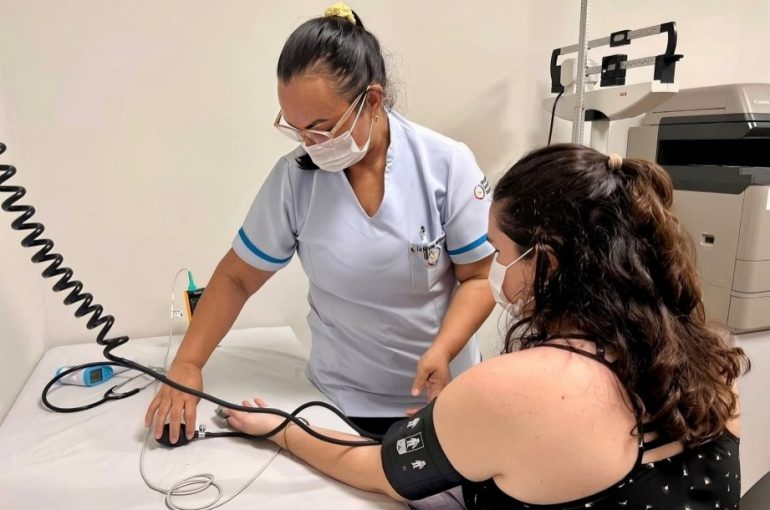

Public health consultations in Paraguay have increased by a remarkable 285% in just over a decade, according to official records. The General Directorate of Strategic Health Information in Health (DIGIES) reported that the number of consultations across services managed by the Ministry of Public Health rose from 4,840,946 in 2014 to 18,648,967 by 2025. This substantial rise, according to officials, reflects a significant expansion in healthcare access throughout the country.
The Ministry of Public Health and Social Welfare attributes this sustained growth to the strengthening of the national health network and a considerable expansion of available services. Consequently, the Paraguayan population is utilising the public health system more than ever before. The data indicates that approximately 14 million more consultations are now conducted annually compared to ten years ago.
A sustained increase in demand
An analysis of the demand for health services shows a consistent upward trend over the period. In 2014, the system recorded fewer than five million consultations. By 2018, however, this figure had surpassed nine million, and it continued to climb to nearly 11 million in 2019. Following the global impact of the COVID-19 pandemic, health services gradually recovered their attendance levels and have since continued to expand their response capacity.
This recovery and subsequent growth are clearly visible in the yearly figures. Consultations increased from 8,696,985 in 2021 to 11,982,689 in 2022. The upward trajectory continued, reaching 14,523,124 in 2023, and then exceeding 17,666,538 in 2024. The latest figures show a total of 18,648,967 consultations were attended by 2025, marking a new high for the public health system.
Strengthening the national health network
The Ministry of Health asserts that this significant growth is directly linked to the progressive strengthening of the public health network. A key element of this strategy has been the expansion of Primary Health Care (PHC), which serves as the foundation for community-based health services. In addition to this, the introduction of new medical services and the opening of new health facilities have played a crucial role.
Furthermore, substantial investments in infrastructure and medical equipment in various parts of the country have been fundamental to this expansion. These improvements have not only increased capacity but have also enhanced the quality of care available to the public. This has, in turn, built greater public confidence and encouraged more people to seek care within the state-funded system.
Expansion of facilities and services
The physical growth of the health network is also evident in the number of establishments operated by the Ministry. In 2012, the Ministry managed 1,353 facilities. Today, it oversees approximately 1,600 health services distributed across the entire national territory. This extensive network is designed to provide comprehensive coverage for the population.
This integrated system includes a range of facilities, from specialised and general hospitals to regional and district hospitals. It also comprises numerous health centres and health posts. A cornerstone of this structure is the Family Health Units, which function as one of the main points of entry to medical care for a large portion of the population, ensuring that primary healthcare is accessible at a local level.
Future commitments to public healthcare
The data, updated through the Health Information System (HIS), confirms greater utilisation of public health services year on year. This includes an increasing number of consultations, health checks, diagnoses, treatments, and follow-up appointments conducted within the national health network. The system provides a detailed overview of the public’s engagement with healthcare services.
Looking ahead, the Ministry of Public Health and Social Welfare remains committed to further strengthening the system’s response capacity. This will be achieved through continued investments in infrastructure, equipment, and human resources. The Ministry also plans to continue expanding services, with the ultimate objective of bringing healthcare closer to the population and responding effectively to ever-increasing demand.
Also read: Paraguay’s Public Health System: Nearly Four Million Consultations In Q1 Of 2026.

