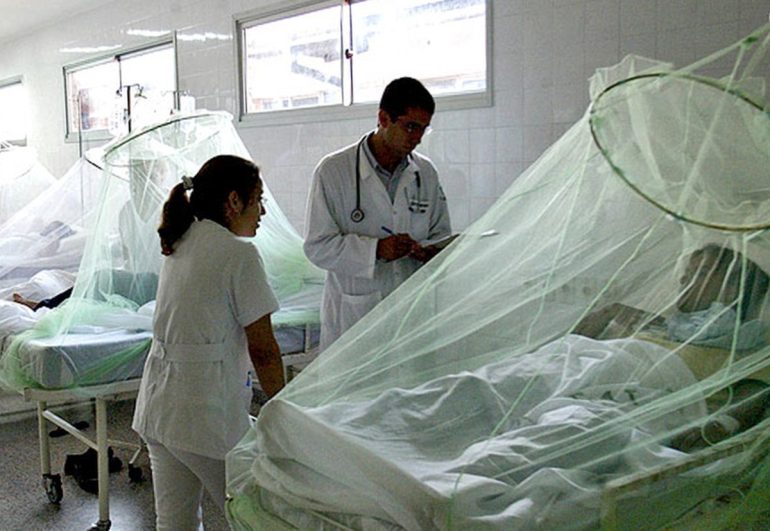

The number of suspected dengue cases in Paraguay is holding steady, with a stable trend observed across the nation, according to the Ministry of Public Health (MSPBS). Current figures indicate stable dengue case numbers, with an average of 102 notifications per week. This data comes from the latest updated report issued by the General Directorate of Health Surveillance.
In the last three weeks, corresponding to epidemiological weeks (SE) 25 to 27, health officials identified just three new confirmed cases of dengue. Of these, two were located in the Central department and one in Presidente Hayes. The serotype DENV-1 was identified among the reported cases. This brings the cumulative total of diagnosed dengue cases in Paraguay on 18 July to 288 for the year 2026.
Stable dengue case numbers: Positive public health indicators
The health surveillance report also contained encouraging news, highlighting that no patients have been hospitalised due to dengue in recent weeks. Furthermore, there have been no recorded fatalities from the virus during this same period. This suggests that while the virus continues to circulate, severe outcomes are currently being avoided.
In addition, a specific dengue outbreak affecting the municipality of Limpio is now showing a marked decline in notifications. Only one new case was reported from this area in the past few weeks, indicating that targeted control measures may be proving effective in containing the localised spread.
Vigilance urged in several regions
However, officials have noted an increase in notifications in other parts of the country. The regions that have registered a rise in suspected cases in recent weeks are: Central, Asunción, Presidente Hayes, Alto Paraná, Guairá, Caazapá, Concepción, Itapúa, Cordillera, Misiones, and San Pedro. This development underscores the importance of maintaining vigilance and preventative measures throughout the nation.
Update on chikungunya circulation
Regarding chikungunya, another mosquito-borne virus, health authorities report a total of 18 confirmed cases in the national territory so far in 2026. The report specifies that three of these cases were imported from Bolivia, highlighting the ongoing risk of cross-border transmission of arboviruses.
The Ministry of Health continues to stress that preventing the formation of mosquito breeding grounds is the most critical measure for mitigating the spread of dengue, chikungunya, and other arboviruses. The public is also urged to seek immediate medical consultation upon the appearance of symptoms like fever, body aches, or headaches. Officials strongly advise against self-medication, as it can mask symptoms and lead to complications.
Key measures to eliminate mosquito habitats
To effectively prevent mosquito breeding, the institution recommends a series of practical actions for every household. The primary goal is to eliminate any source of stagnant water where the Aedes aegypti mosquito can lay its eggs. Residents should dispose of all unused objects that can accumulate water, including small items like bottle caps and larger containers.
For objects that cannot be discarded, such as old domestic appliances or spare tyres, it is crucial to place them under a roof or cover them completely to prevent rainwater collection. Furthermore, any recipiente containing water for use, such as tanks, drums, or buckets, must be kept securely covered at all times. Swimming pools must also be properly chlorinated to inhibit mosquito reproduction.
Daily household chores can also play a vital role in prevention. The water in pet drinking bowls should be changed every day, and the bowl itself should be scrubbed with a brush, soap, and water to remove any eggs that may have adhered to the surfaces. For indoor plants, officials suggest using damp sand in flower vases instead of water. The water that collects in the saucers under plant pots must also be discarded regularly. Finally, property maintenance, such as cleaning gutters and ensuring drains are clear of rubbish, is essential to prevent water from stagnating and becoming a breeding site.
Also read: A Dengue Fever Prevention Guide For Paraguay Residents And Visitors.