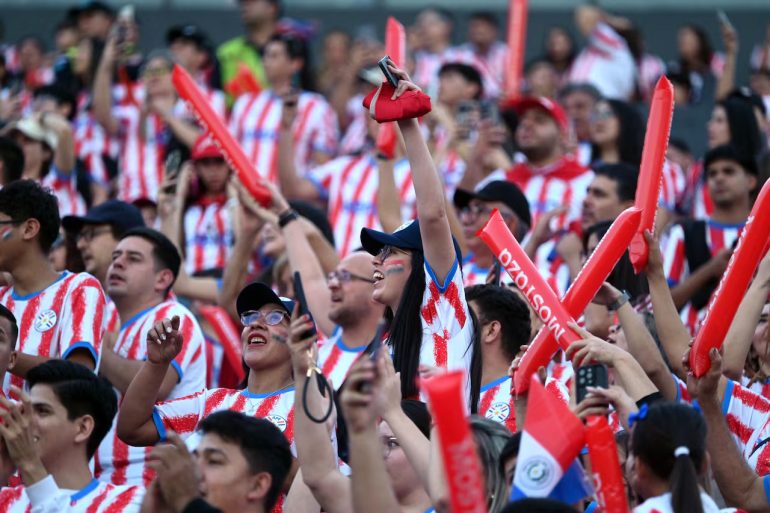

Paraguay’s return to the FIFA 2026 World Cup proves to be more than a sporting triumph; it is a nationwide economic progress. The excitement surrounding the “Albirroja effect” has translated into surging retail sales, booming gastronomy, heightened advertising activity, and the creation of thousands of jobs. This interconnected wave of activity demonstrates how the FIFA 2026 World Cup is energising an entire economy, weaving together commerce, employment, and national identity.
Retail and hospitality surge
The first signs of this economic progress are visible in restaurants, bars, and supermarkets, which have reported sales increases of up to 200% compared to ordinary weekends. Match days have transformed Asunción’s city centre into a hub of activity, drawing thousands of fans and creating a ripple effect for local businesses. This surge in commerce and gastronomy illustrates how the collective enthusiasm for football directly fuels spending and strengthens the hospitality sector.
The heightened demand in retail and hospitality has created approximately 30,000 temporary jobs, with gastronomy alone accounting for 15,000 positions. Many of these roles provide young workers with entry points into the labour market, offering potential for longer-term employment.
Electronics and home entertainment boom
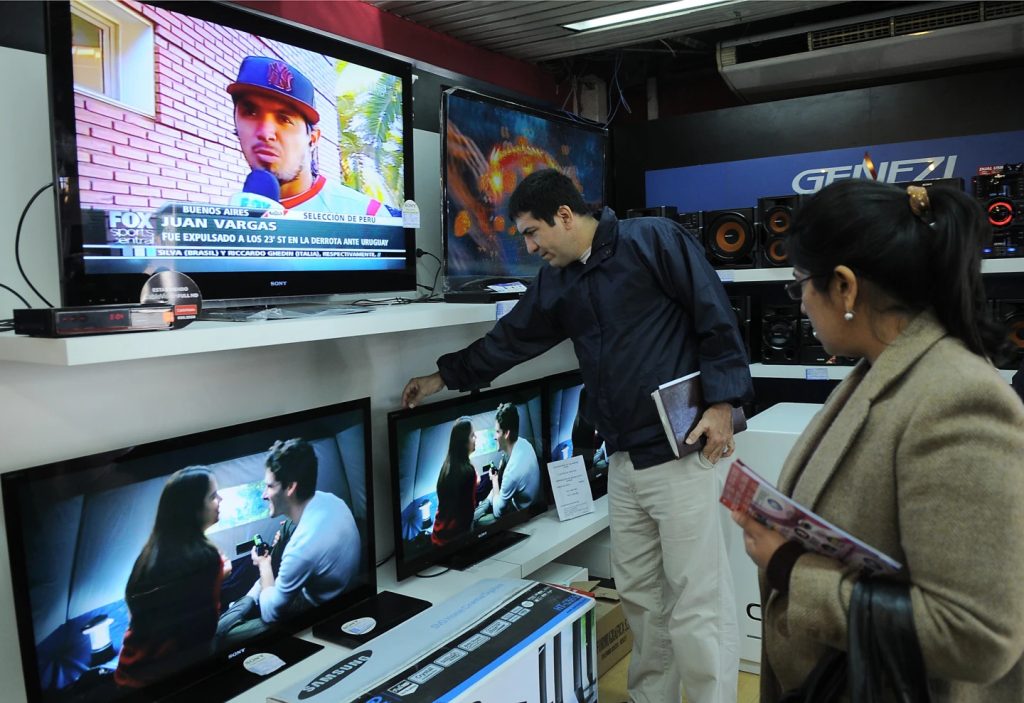
The retail sector has mirrored this momentum, with unprecedented demand for large-screen televisions, particularly models above 65 inches. Promotions offering extended financing and even partial refunds tied to Paraguay’s performance have further stimulated sales. By contrast, Paraguay’s last World Cup appearance in 2010 saw a more modest 20 per cent rise in television imports, underscoring how the 2026 surge is unprecedented.
Alongside televisions, purchases of sound systems and home furniture are constantly rising, as households seek to replicate stadium-like experiences. This shows how the consumer trend connects seamlessly with the economic progress. Demonstrating how the FIFA 2026 World Cup drives both public and private spending in home entertainment.
Advertising gains and Paraguay’s strengthen image
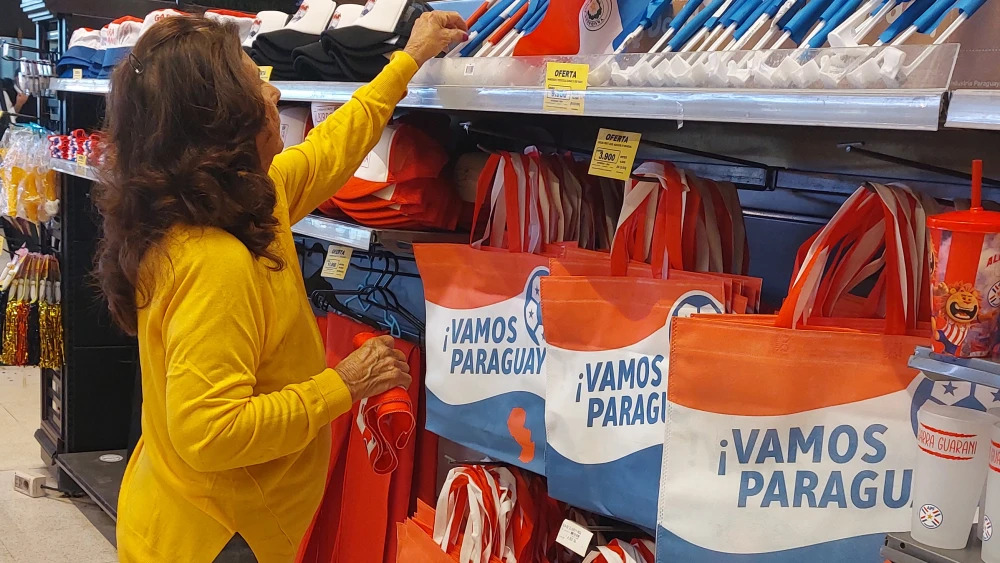
Additionally, major brands have relaunched campaigns tied to the national team, with sponsorship values rising significantly. The Paraguayan Football Association’s rebranding initiative has further boosted commercial appeal, linking employment progress with advertising and sponsorships in a mutually reinforcing cycle.
All of these developments highlight the wider significance of Paraguay’s World Cup participation. Beyond immediate consumption, the tournament strengthens the country’s international profile and coincides with favourable investment ratings. Analysts suggest that if the team advances, the economic upsurge could extend well beyond July, sustaining elevated consumption and brand engagement.
Economic progress in the region
Neighbouring countries offer useful parallels. Argentina’s 2022 victory boosted GDP growth by 0.25 percentage points and generated billions in sponsorships. Brazil’s 2014 hosting cost US$11.6 billion but yielded US$4.5 billion in FIFA revenue. Paraguay’s current boom, though smaller in scale, reflects the same pattern of football acting as an economic accelerator.
Additionally, while the 2030 World Cup is held in the Mediterranean region, Argentina, Paraguay, and Uruguay will host a game each. They were attributed games to celebrate the 100th anniversary of the tournament. No economic projections were made yet; however, it will impact the region and boost revenue in 2029-2030. Especially Paraguay, that never hosted a World Cup game before.
Broader impact
Furthermore, Paraguay’s momentum is not only domestic. According to the International Monetary Fund (IMF), the country now leads South American projections for economic progress during the World Cup period. Paraguay is outpacing regional peers in retail growth and employment creation.
This comparative advantage underscores how the Albirroja effect is positioning Paraguay as a regional example of how football can stimulate broader economic activity. The FIFA 2026 World Cup has created a “microclimate” of optimism, comparable to holiday seasons, uniting Paraguayans across generations and reinforcing the social and economic significance of football.