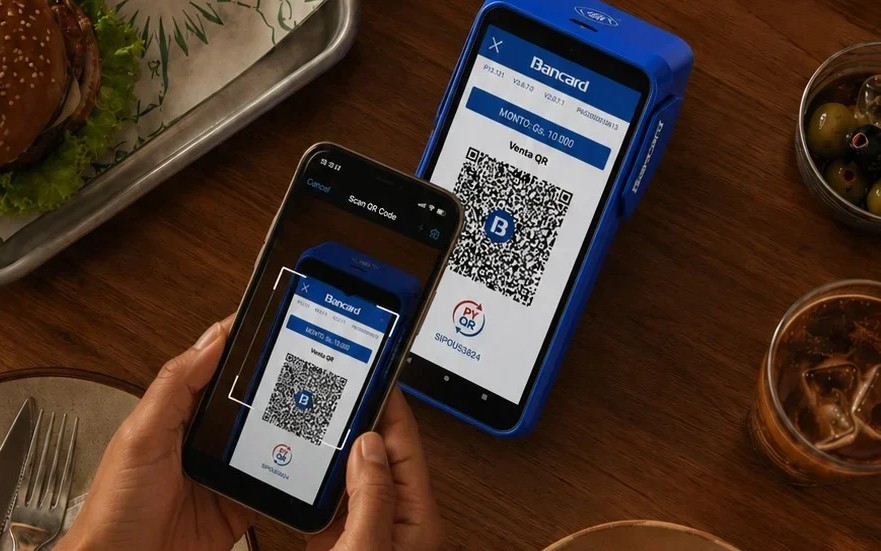

According to the September 2026 Bancard Report, digital payment methods now constitute 82% of all service payment transactions in Paraguay, a significant increase from 66% in 2021. This, according to Bancard, indicates a decisive shift in consumer behaviour towards digital channels for everyday transactions. In contrast, in-person payments have fallen to just 18% of the total.
The data highlights a rapid adoption of digital tools for financial operations. Bancard, a leading payment processor in the country, facilitates this transition by offering a network that allows for remote payment of over 1,500 services. This move away from traditional payment methods is further evidenced by a 360% increase in active digital accounts since 2020, reaching over 6 million in the current year.
Mobile commerce and QR codes lead the charge
The expansion of the digital ecosystem is underscored by the dominance of mobile devices in online shopping, with eight out of every ten online purchases now made via a mobile phone. This amounts to an average of 25 million transactions each month. Furthermore, the network of businesses equipped to handle digital payments has grown exponentially, with 165,000 establishments now connected, representing a 394% increase over the last five years.
A key driver of this transformation is the widespread adoption of QR code payments. In August 2026, transactions using this method through the POS Azul network reached a historic high of 25 million. This figure marks a 53% increase compared to the same month in the previous year. QR code payments currently make up 71.2% of all digital operations in the country, with over 4 million users and near-universal adoption among affiliated businesses. The system is supported by 95 connected entities, including banks, finance companies, and cooperatives.
Growth driven by everyday spending
The rise in digital transactions is primarily fuelled by spending on daily necessities. In August 2026, digital purchases saw a 22% increase in accumulated volume and a 34% rise in the number of transactions compared to the same period in 2025. The health sector saw the largest growth at 26%, followed by retail stores and boutiques at 19%.
Other significant areas of growth included restaurants, service stations, and the automotive sector, all at 18%, and supermarkets at 17%. The electronics and home appliances category grew by 7%, while pharmacies saw a 2% increase. The debit card remains the primary instrument for these purchases, with its usage volume growing by 30%, far outpacing the 10% growth seen with credit cards. Debit cards now account for 65% of the total volume of digital purchases, a substantial rise from 48% in 2020.
Tourist spending growth slows
Purchases made by tourists and foreign visitors in Paraguay also continued to grow in 2026, showing a 13% increase compared to the previous year. While this represents continued positive momentum, it is a considerable deceleration from the 66% growth rate recorded for the same period in 2025.
Visitors from Brazil remain the primary source of these international service transactions. They are followed by shoppers from Argentina, who account for 17% of the total, despite a 43% decrease in their spending during the analysed period. The United States is the third-largest source of foreign spending in the country.
Also read: Paraguay Introduces New SIP System As Digital Payments Enter Next Phase.