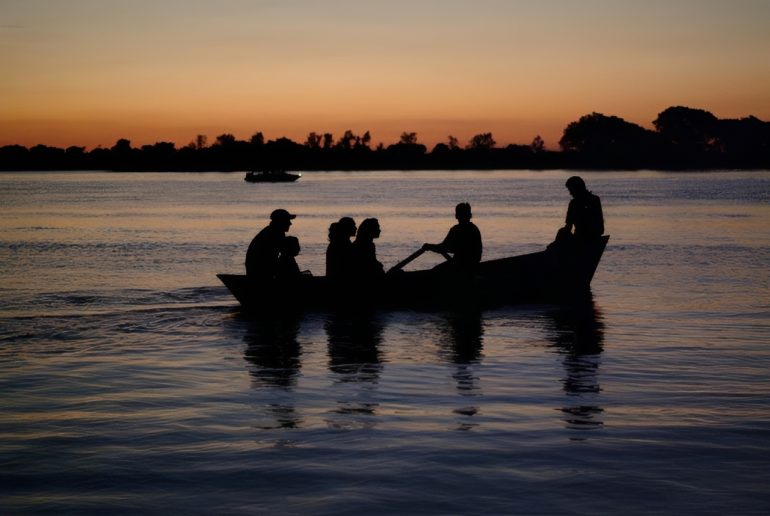

Some places feel less like points on a map and more like threads woven into Paraguay’s identity. Across distance and time, there is a small village resting on the southern plains of Paraguay. Panchito López is more than a rural locality; it is a memory, a story, and a symbol of resilience. Located in the department of Misiones, less than 300 kilometres from Asunción, the village sits close to the Paraná River. Its geography blesses it with fertile land, but also challenges its people with cycles of rising waters. More than once, families have had to temporarily abandon their homes during floods, migrating like a community in search of safety. Yet they always return. That is the rhythm of Panchito López: retreat, rebuild, resist. The people of Panchito López embody a quiet strength; a combination of warmth, tradition, and unshakeable belonging.
Childhood memories and first impressions
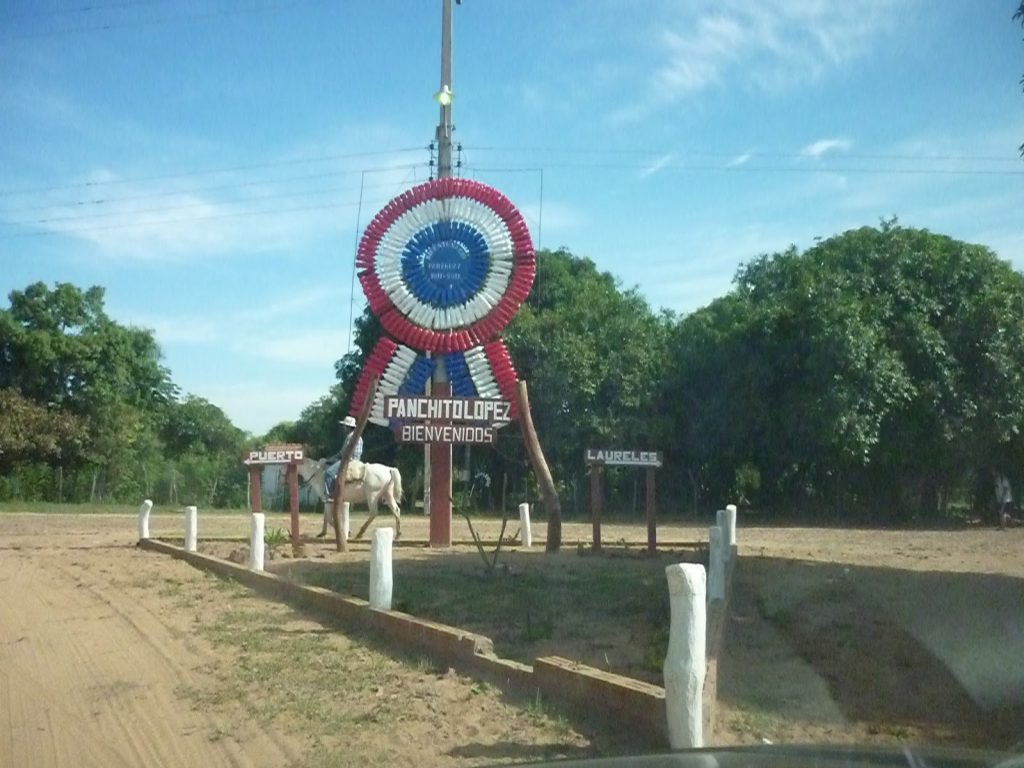
Back then, the city was simply the land of warm people and clear days, a place where the smell of horses mixed with the morning breeze, and where every visit felt like stepping into a calmer version of the world. Its white-sand streets glowed under the sun, and its yellow lapacho, Paraguay’s national tree, tajy sa’yju in Guaraní, with its trumpet-shaped blossoms, became visitors’ treasure.
But Panchito López is also a place that carries a name deeply rooted in Paraguayan history. Its name honours Juan Francisco “Panchito” López Lynch, the teenage colonel and son of Marshal Francisco Solano López and Madame Lynch, a boy who died in the final moments of the War of the Triple Alliance. Panchito’s last words were, “A Paraguayan colonel does not give up”. His courage became a national symbol, and the village that bears his name seems to have inherited that same spirit of resilience. The village carries not just a name, but a legacy: one of courage, sacrifice, and unwavering national identity.
Tradition meets modern life in Panchito López
Life in the village revolves around the land. Fields of corn, cassava, beans, and cotton stretch under the sun, while cattle, sheep, pigs, chickens, and horses shape a daily landscape that resembles a postcard. But beyond the scenery lies a community that works hard to preserve its traditions while adapting to modernity. Although the area once struggled with connectivity, today most households have access to phone service, internet, and television, allowing even a small rural town to remain connected to the wider world.
Despite its idyllic atmosphere, this small rural community faces real challenges. Its proximity to the Paraná River brings seasonal flooding that interrupts daily life, and the dirt roads that connect it to the town of Yabebyry often become nearly impassable during heavy rains. This isolation affects everything, from selling agricultural products to accessing healthcare. Yet their persistence is unwavering. The river gives, but it also tests; and this community does not give up, true to its name.
Innovation and community strength
In recent years, residents of Panchito López have shown admirable creativity and entrepreneurship. One of the most inspiring examples is a group of women who, supported by community programmes, developed local innovations like fish sausage, a perfect blend of river culture and entrepreneurial spirit. Their success stories are proof that resilience is not just survival; it is transformation. They also show that tradition and innovation can coexist beautifully.
Tourism has also begun to find its place there. The village offers river fishing, boat rides, and access to nearby Argentine localities such as Itá Ibaté via the fluvial border post. The green landscape and slow rural rhythm create an experience that is both authentic and serene, ideal for travellers seeking to disconnect from the noise of urban life.
The heart of the village: Its people
But beyond all of this, beyond its crops, its river, its challenges, and its natural beauty, what makes the town of Panchito López unforgettable is its people. Hospitality is not something they practise; it is something they embody. The taste of truly traditional Paraguayan soup, made from freshly harvested corn ground by hand, is always accompanied by cold tereré and the sound of polka. Quiet days that seemed untouched by time, and nights filled with stories of the past; stories of love, sacrifice, migration, and return.
This village is a microcosm of Paraguay: history carried in every name, struggle embedded in the soil, and hope reflected in the community’s refusal to abandon its identity. The town honours its past not through monuments, but through daily work; through land and water, through persistence. It is a place that remembers, yet also adapts, innovates, and pushes forward.
Panchito López is a village that teaches, without speaking, that roots are not just about where you come from, but about where your heart continues to return. The environment of Panchito López reflects the soul of Paraguay itself. It is a village that does not surrender. A village that breathes history and hope; that, like its namesake, simply does not give up. And that, perhaps, is its most enduring beauty.
This article was written by Isa Grimaldi for The Asunción Times’ 2025 Writing Competition.