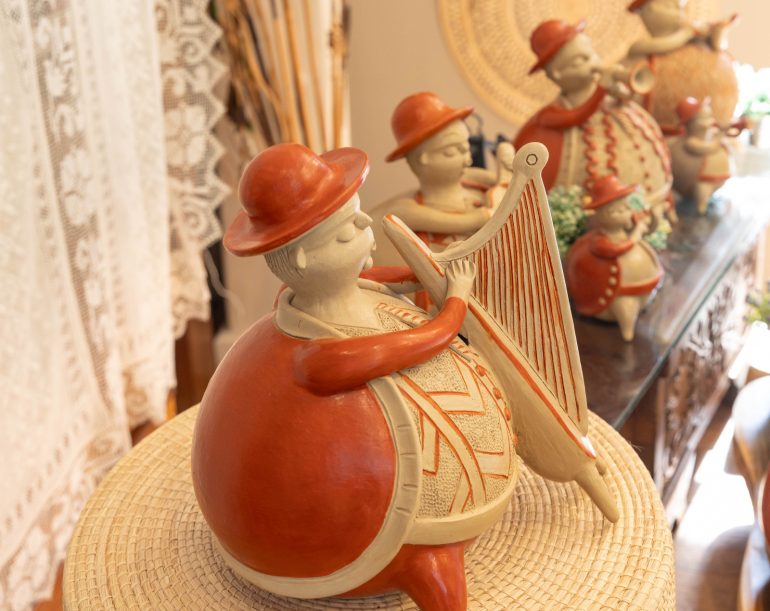

Ceramics in Paraguay bring together hands, earth, and fire across communities such as Areguá, Itá, Tobatí, Yaguarón, and Asunción. To celebrate this art, the Paraguayan Institute of Handicrafts (IPA) has announced a wider programme of cultural activities marking Ceramist Day, observed on 28 May. With a tribute to the artisans and artists who preserve the tradition of Paraguayan ceramics, the programme runs from 24 to 31 May, 2026.
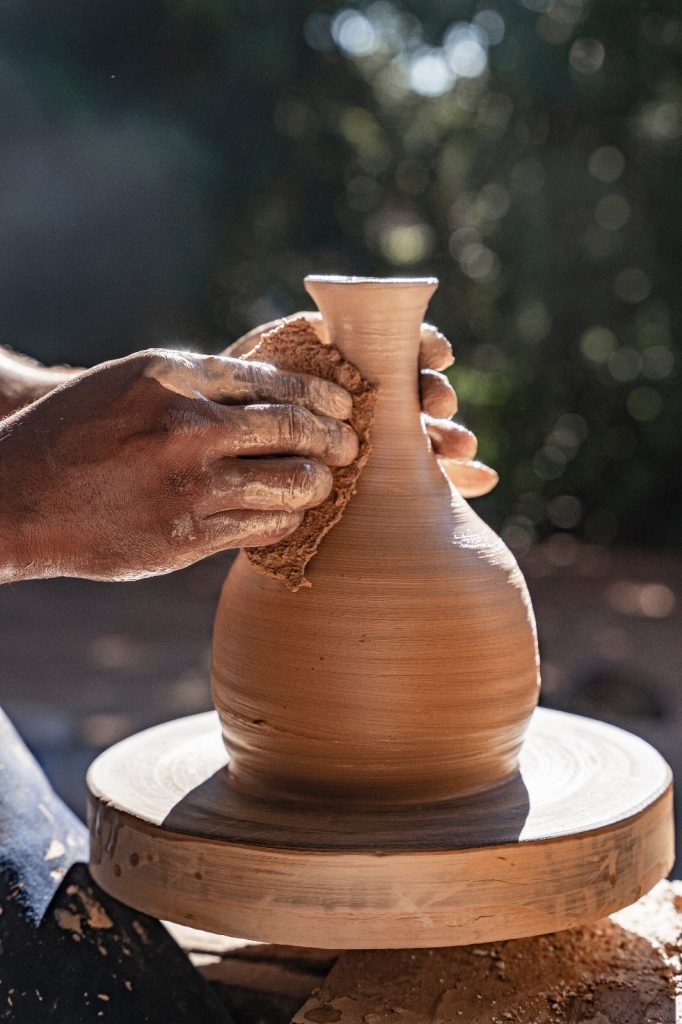
The Paraguayan Ceramists’ Fair includes workshops, immersive experiences, participatory activities, themed fairs, and artistic spaces designed to bring the public closer to ceramic production processes.
Particularly, the Paraguayan Ceramists’ Fair will take place on 30 and 31 May in Areguá at La Casona, gathering artisans, institutions, and visitors around a shared cultural practice. The event presents ceramics as a living craft shaped by traditions that artisans pass down and adapt over time. The Paraguayan Ceramists’ Fair will run from 09:00 to 19:00 with free entry.
A craft based in culture and identity
Andrea Vázquez, president of the Paraguayan Institute of Handicrafts, leads the organisation behind the fair and its cultural direction. Vázquez explains to The Asunción Times that their work focuses on “the promotion, development and safeguarding of traditional artisanal techniques in Paraguay.” She situates ceramics within a wider cultural context that reflects national diversity and long-standing practices.
She describes Paraguay as “a culturally diverse nation,” and says ceramics in the country are “also very rich,” shaped by various materials and techniques used across different regions. This diversity appears in the way artisans work with clay through distinct local traditions.
Between ancestral knowledge and modern tools
Vázquez explains that ceramics in Paraguay involve contemporary and ancestral methods that exist within the same creative practice. “When we talk about technique, we are not only talking about the formation of the piece itself; artisans use methods, such as contemporary ones like electric wheels or a high-precision wheel, for example, as well as hand modelling. She adds that these approaches also include ancestral techniques from the Guaraní people, forming part of a shared way of working with clay across the country.
A space for exchange between artisans
The fair functions as a meeting point for ceramists from different regions and generations who gather to share knowledge and experience. Vázquez explains that the goal is “to strengthen the ties between ceramists,” encouraging exchange between communities so artisans can learn from one another and improve their work together.
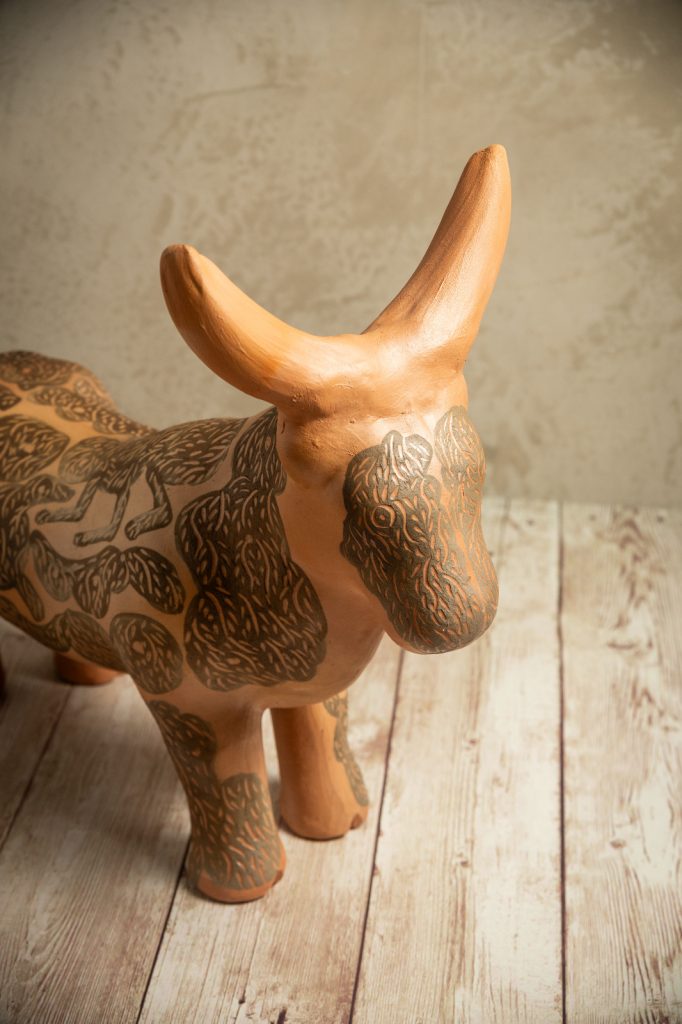
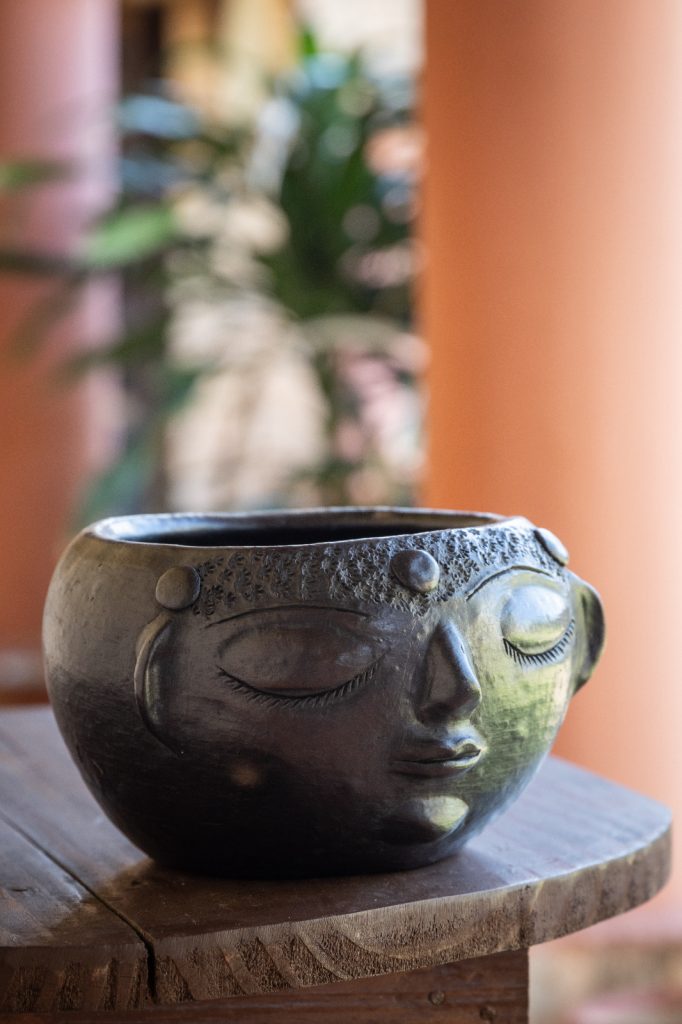
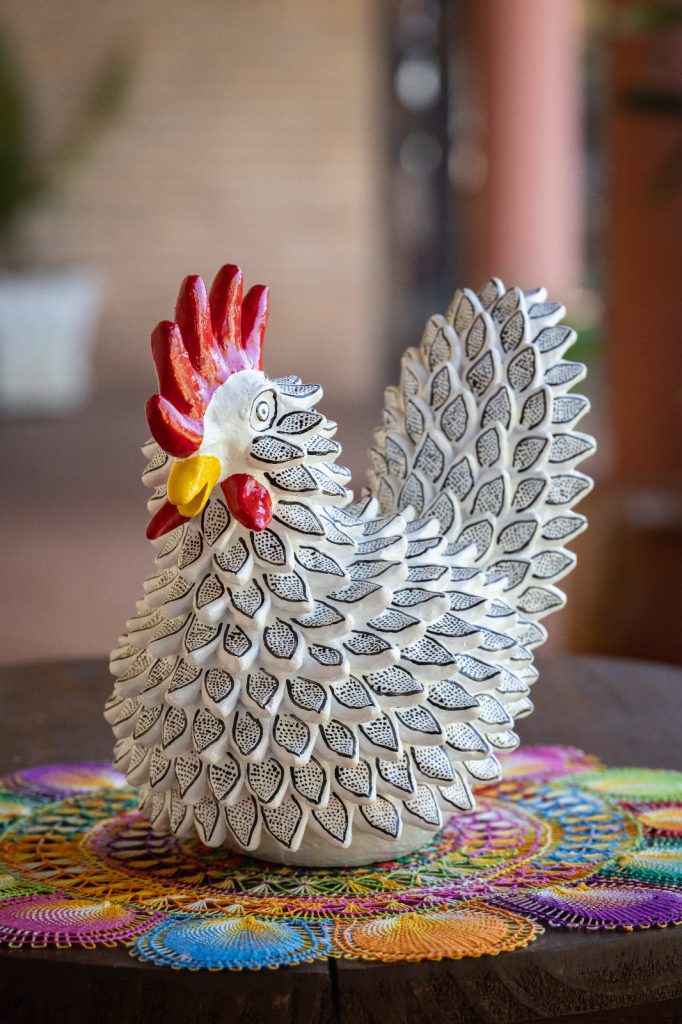
Vázquez also says visitors encounter “a beautiful diversity of different techniques, of different types of materials” during the fair. This variety appears in works made with black clay, natural pigments, burnished surfaces, and high-temperature glazes, depending on the region and tradition.
Some pieces preserve traditional forms used for cooking and daily use, while others explore sculptural and experimental approaches. Each object reflects the artisan’s decisions, process, and working conditions through clay.
Continuity through teaching and support
Andrea explains that the ceramic tradition in Paraguay continues through workshops, training spaces, and institutional programmes that strengthen production and technical knowledge. She says the craft is “increasingly awake and increasingly strengthened” through these forms of learning and collaboration.
These initiatives help artisans improve their work and maintain the craft across generations. She also highlights cooperation with public institutions to support better working conditions and sustainability, including improvements in production systems and kiln efficiency.
A cultural and economic gathering
The fair will combine exhibitions, direct sales, and close interaction between artisans and visitors in one shared space. Vázquez emphasises that one of the main goals is to support artisans economically while also giving visibility to their work and processes.
Lastly, Vázquez invites the public to experience it as “an experience that engages all the senses,” where visitors are directly involved with artisans and their work.
For more information about the full programme, check the Paraguayan Institute of Handicrafts on Instagram. You can also read: Discovering La Casita De Barro, Areguá’s Intimate Haven For Clay And Craft