
Guaraní is much more than one of Paraguay’s two official languages. Spoken alongside Spanish every day, it shapes conversations in homes, schools, offices and markets across the country. Many Paraguayans naturally switch between the two languages in a blend known as jopará, creating expressions that often leave newcomers confused and amused. While some phrases make perfect sense to locals, their literal English translations can sound completely absurd. Here is The Asunción Times‘ guide to some of the funniest Guaraní expressions and what they really mean.
When you have absolutely nothing to do
Some Guaraní words perfectly describe moments that almost everyone experiences, especially during weekends or holidays.
Tekorei: A state of having absolutely nothing to do. It describes pure boredom, idleness or simply spending the day without responsibilities. Someone lying in a hammock all afternoon or avoiding every chore might be accused of being tekorei.
Kaigue: A feeling of laziness, exhaustion or zero motivation. Paraguayans often blame kaigue when they cannot find the energy to study, work or even leave the sofa.
Money problems with Guaraní expressions
Rather than saying someone is broke, Guaraní finds a much more colourful way to describe the situation.
Ndarekoi pira pire: Literally, “I do not have fish skin.” The real meaning is much simpler: “I have no money.” It remains one of the funniest expressions for visitors because the literal translation has nothing to do with finances.
Parties, celebrations and the morning after
A country that enjoys gathering with friends naturally develops expressions for nights out and recovering afterwards.
Ka’ure: Means being extremely drunk after a celebration. Friends commonly use the word after birthdays, football matches or family gatherings.
Yerar: A humorous made-up verb inspired by the traditional anti-hangover drink Yeron. Paraguayans jokingly use it to describe recovering from ka’ure or sleeping through the following morning.
Ja’umína: Literally, “Let us drink.” Friends use the phrase as an invitation to share a beer or another drink together after work or during social gatherings.
Reactions every Paraguayan understands
Many Guaraní expressions appear as quick reactions during conversations, often replacing entire sentences.
Ñandejára!: Literally, “Our Lord!” It expresses surprise, shock or disbelief, much like saying, “Oh my goodness!”
Nde tavy: Literally, “You are foolish.” Despite the wording, friends usually say it affectionately when someone tells an unbelievable story or does something ridiculous.
Nambré: An expression of frustration similar to saying, “Enough already!” Paraguayans often use it when they have lost patience with a person or situation.
Chake!: Means “Watch out!” or “Be careful!” Parents, teachers and friends regularly shout it when someone is about to make a mistake.
Purete: Means something is excellent, great or completely fine. It is one of the most common expressions of approval in everyday conversations.
Describing people with just one word
Guaraní expressions are also a memorable way of describing someone’s mood or behaviour.
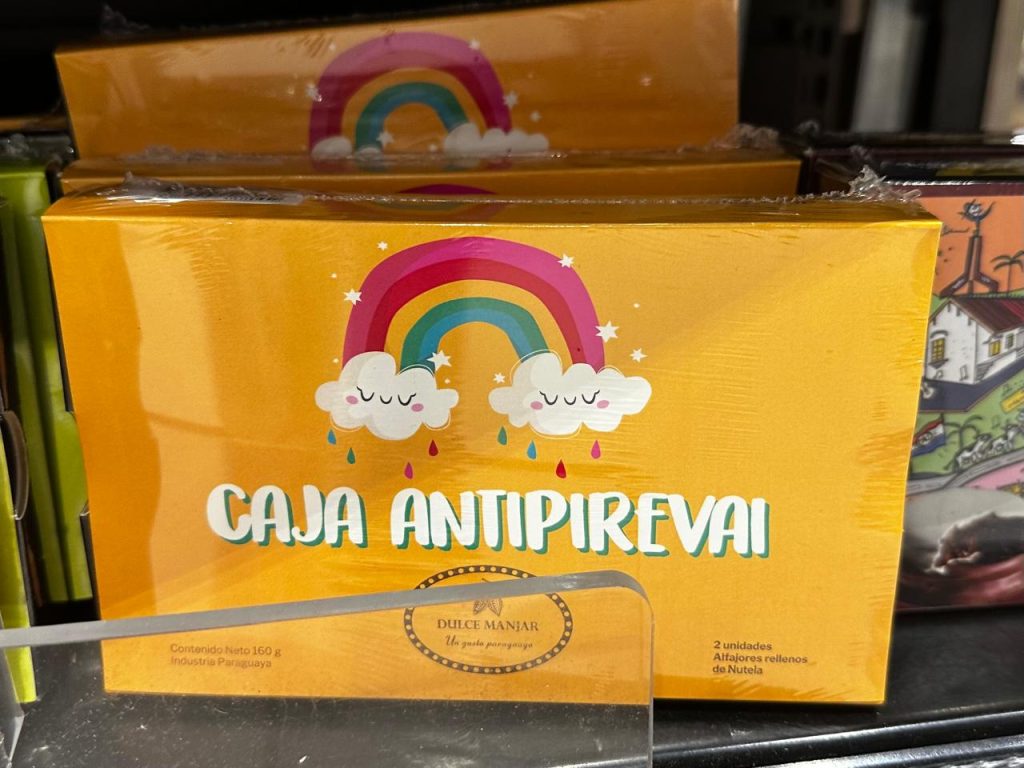
Pirevai: Literally, “Bad skin.” The expression describes someone who is in a bad mood, irritated or grumpy.
Vyrorei: Refers to something silly, pointless or a complete waste of time. Paraguayans often dismiss an unnecessary discussion by calling it vyrorei.
Vare’a: Means feeling extremely hungry. Rather than saying they are simply hungry, many people announce they have vare’a after a long day.
Only in Paraguay
Perhaps no expression confuses visitors more than ahata aju.
Ahata aju: Literally, “I am going, I am coming.” Paraguayans say it when leaving briefly to run an errand while promising they will return soon. In reality, that quick trip may easily turn into several hours, making the phrase an affectionate joke about the country’s relaxed sense of time.
More than just funny words
These expressions make people laugh and show the creativity of Guaraní and the way Paraguayans describe ordinary situations with humour and imagination. Although many of the literal translations sound strange in English, every phrase tells a story that locals understand immediately. Learning these expressions offers visitors a glimpse into everyday life in Paraguay, where language remains one of the country’s most distinctive and entertaining traditions.
Also read: Vamos Albirroja! This Is The Living Dictionary Of Paraguayan Football Reactions