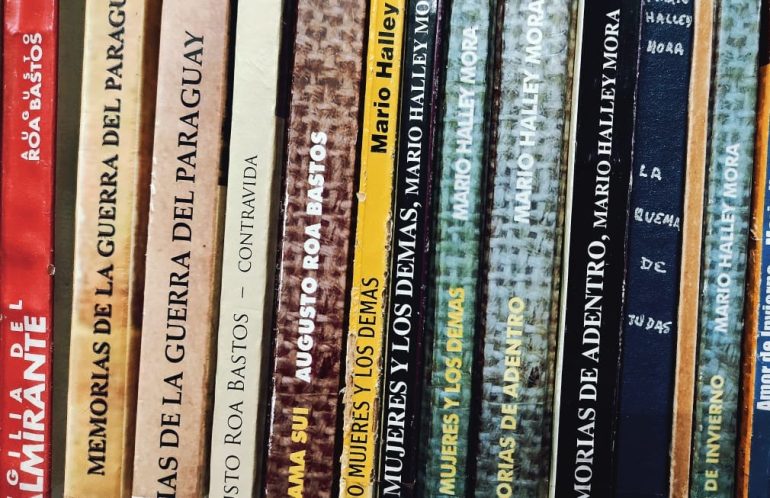

Every 25 June, Paraguay celebrates Paraguayan Book Day, a date that commemorates a fundamental milestone in its cultural history. On that day in 1612, Ruy Díaz de Guzmán concluded in Charcas his work “Anales del descubrimiento, población y conquistas de las Provincias del Río de la Plata” (Annals of the Discovery, Population, and Conquests of the Río de la Plata Provinces), traditionally known as “La Argentina.” This text is considered one of the first great historiographical testimonies produced by an author born in Paraguayan territory and a fundamental reference for understanding the origins of national literature.
The commemoration invites reflection on a unique literary tradition within Latin America. A literature built upon the encounter between two languages, Spanish and Guaraní, and marked by historical processes that conditioned its development and its dissemination beyond national borders.
From the origins to the construction of a literary tradition
Paraguayan literature is distinguished by its bilingual character. Production in both Spanish and Guaraní has contributed to the construction of a complex cultural identity. During a large part of the nineteenth century, political conditions limited the development of cultural institutions and spaces for intellectual circulation. The prolonged government of Dr. José Gaspar Rodríguez de Francia favoured a context of international isolation that restricted cultural exchange.
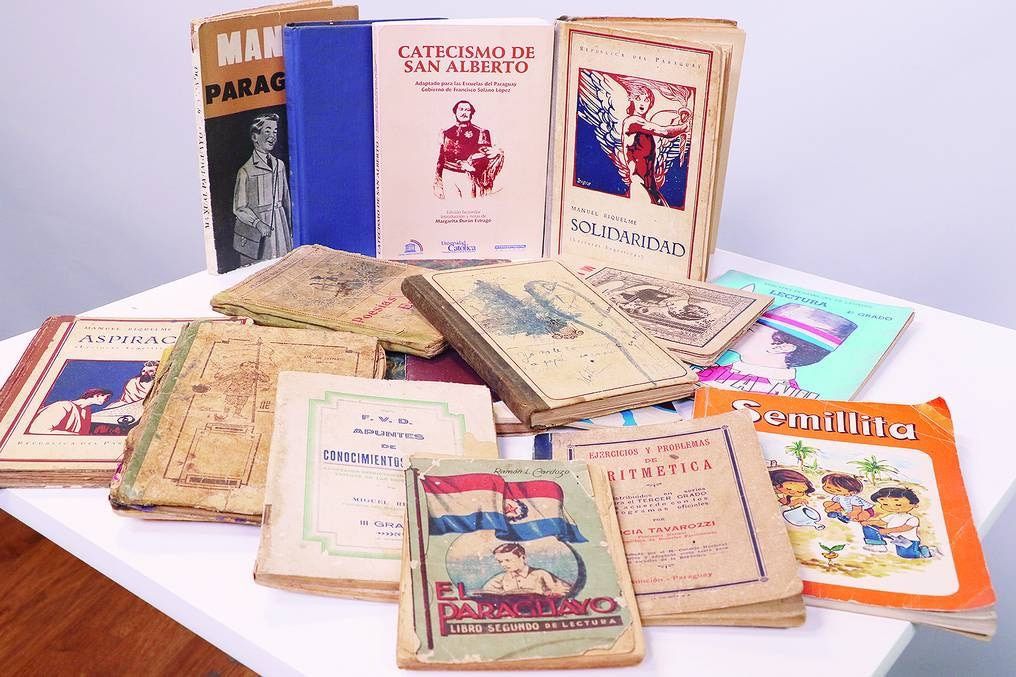
As a consequence, the literary movements that were transforming Europe and America arrived in Paraguay with a delay and in a fragmentary manner. The difficulties in developing a stable intellectual life are reflected in numerous testimonies of the period. Among them are the verses attributed to Fulgencio Yegros during his captivity before his execution in 1821: “In planting a hope, I lost all my years; and an impossible thing flourished with fruits of disillusion…”
When the cultural landscape was slowly beginning to reactivate through journalistic and literary initiatives, the War of the Triple Alliance (1864–1870) once again interrupted the consolidation of a sustained intellectual production.
Despite these difficulties, the final decades of the nineteenth century marked the emergence of modern Paraguayan narrative. In 1877, “Viaje nocturno de Gualberto o Las reflexiones de un ausente” (Gualberto’s Night Journey or The Reflections of an Absent Person) by Colonel Juan Crisóstomo Centurión was published in New York. This work is generally recognised as the first novel published by a Paraguayan author.
The maturity of Paraguayan letters
The twentieth century represented a stage of consolidation for national literature. Narrative evolved towards a deeper exploration of the social, political, and existential conflicts of the country. In this process, the participation of women in the literary sphere also gained relevance. Among the pioneering figures, Teresa Lamas Carísimo stands out, author of “Huerto de Odios” (Orchard of Hatreds, 1944). Also, “La casa y su sombra” (The House and its Shadow, 1955), whose production significantly contributed to the development of Paraguayan narrative written by women.
A decisive moment arrived in 1952 with the publication of “La Babosa”. Regarding the context, the literal translation would be The Gossip by Gabriel Casaccia. Written during his exile in Buenos Aires, the novel is widely considered one of the foundational works of contemporary Paraguayan narrative. Its psychological complexity, its critical view of society, and its aesthetic quality placed it among the most relevant creations of Latin American literature of its time.
Subsequently, the so-called Generation of ’40 and various cultural groups expanded the expressive possibilities of Paraguayan letters. By doing so, incorporating new perspectives on memory, identity, history, and social reality.

The challenges of international dissemination
Despite the richness and diversity of its literary production, Paraguayan literature continues to be relatively little known outside the Hispanic American sphere. Historical, publishing, and linguistic factors have limited its international circulation in comparison with other literary traditions of the region.
The situation began to change partially after the end of the dictatorship of Alfredo Stroessner, when a renewal of the publishing field and a renewed interest in critically reviewing national history occurred. However, the presence of Paraguayan authors in the main international markets remains limited.
Among the most prominent exceptions are Augusto Roa Bastos, awarded the Cervantes Prize in 1989. Also, Renée Ferrer, whose works have achieved significant dissemination through translations and editions in different countries.
Paraguayan Book Day: A celebration of memory and creation
Paraguayan Book Day transcends the simple evocation of a historical date. The date constitutes an opportunity to recognise a literary tradition that has survived wars, exiles, and censorship. Every 25 June recalls the legacy of those who built Paraguayan letters. Additionally, the need to strengthen spaces for reading, translation, and dissemination that allow this heritage to be projected towards new audiences.
In an era marked by cultural globalisation, Paraguayan literature continues to offer a unique perspective on the human experience. The coming instalments of The Asunción Times will explore some of the Paraguayan books and authors that have achieved the remarkable distinction of being translated into English. These works serve as ambassadors of Paraguayan culture and identity, bringing the country’s stories, history, and voices to readers in distant corners of the world.