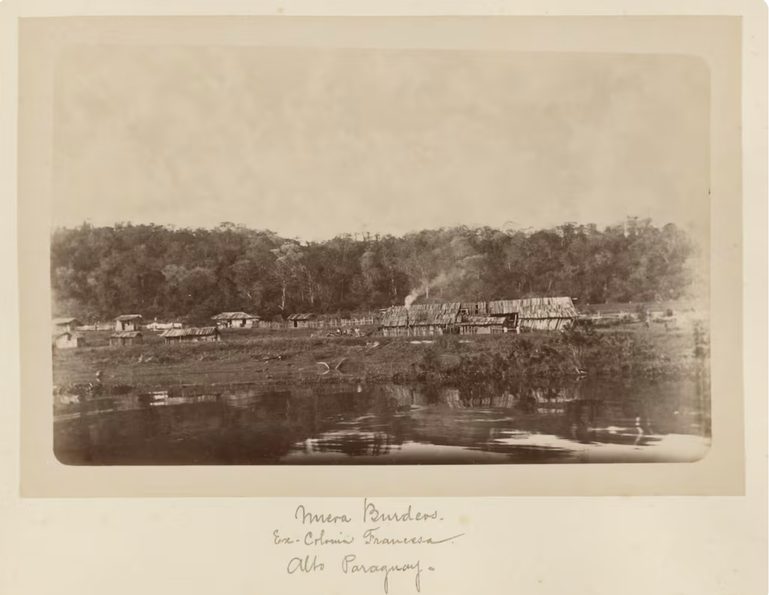

In 1855, hundreds of people left the French port of Bordeaux to begin a new life in Paraguay. A government-backed settlement project promised them land and the opportunity to build a future through agriculture. Their destination was Nueva Burdeos, or New Bordeaux, a French agricultural colony in the Paraguayan Chaco.
The project formed part of President Carlos Antonio López’s efforts to increase Paraguay’s population and develop agriculture. A decree issued on 14 May 1855 formally established the colony and outlined the government’s plans to encourage agricultural immigration. For those who made the journey, the opportunity meant leaving familiar surroundings and adapting to a different climate, landscape and way of life.
From Bordeaux to the Paraguayan Chaco
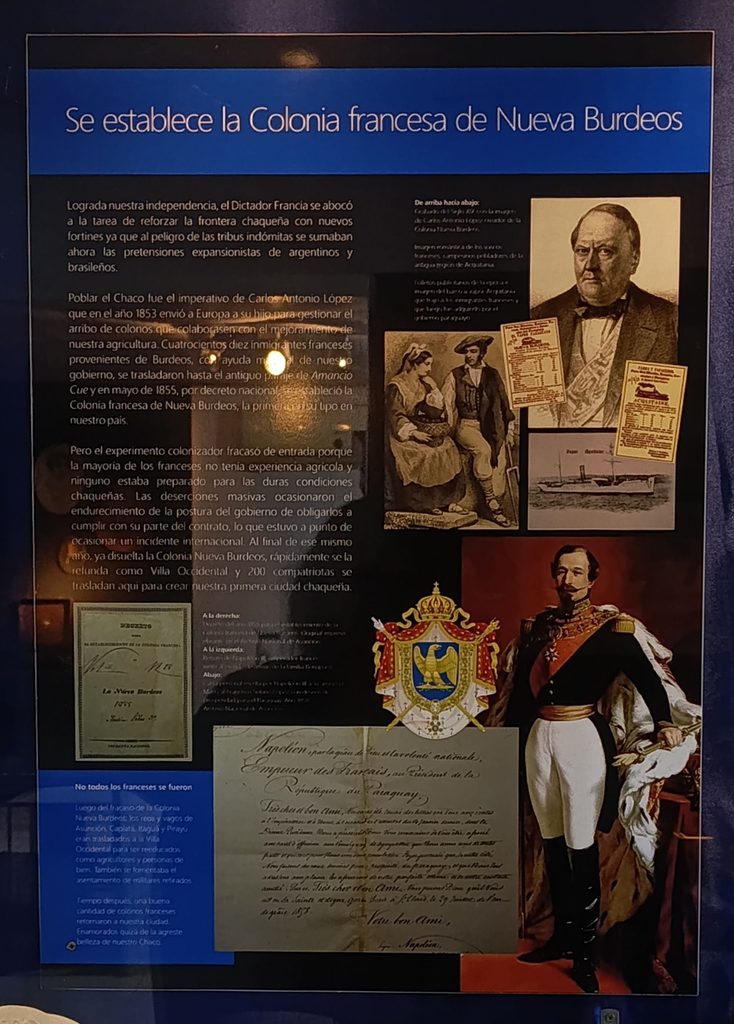
The Paraguayan government planned to provide land and support to help the settlers establish themselves. New Bordeaux offered the newcomers a fresh start while supporting Paraguay’s ambitions for agricultural development. Historical research estimates that around 410 people travelled from Bordeaux to Paraguay, although accounts differ slightly on the total. The first contingent arrived in mid-May 1855.
The colony stood on the western bank of the Paraguay River, north of Asunción, in the present-day city of Villa Hayes. The area now forms part of Presidente Hayes Department. The Paraguayan government hoped the newcomers would cultivate the land and contribute to the country’s food supply. Initial assistance aimed to support them while they established their farms.
Contemporary newspaper coverage presented an optimistic picture of the settlement, praising its land and the settlers’ prospects. These reports reflected early hopes for the project, although difficulties soon challenged that confidence.
Why the colony struggled
Despite its promising beginnings, New Bordeaux faced problems within months. Insects made daily life difficult, while drought affected the first harvest. Disputes between settlers and the authorities further weakened the project. Some settlers attempted to leave the colony, prompting investigations and punishment by the authorities. An official decision published in September 1855 documented an organised escape attempt and proceedings against those involved.
The government had expected a productive agricultural community. Instead, difficult living conditions and an increasingly strained relationship with the settlers undermined those ambitions. By late 1855, the colony faced a serious crisis. Its decline continued into 1856, as French settlers left and the settlement entered another stage of its history.
What remained afterwards
Municipal documentation records that Nueva Burdeos became Villa Occidental on 13 June 1856. The change marked a new chapter in the history of the community now known as Villa Hayes. The story of New Bordeaux connects French migration with Paraguay’s nineteenth-century agricultural ambitions. Its short existence also reveals the difficulties facing settlers and authorities when plans for a new community met the realities of life in the Chaco.
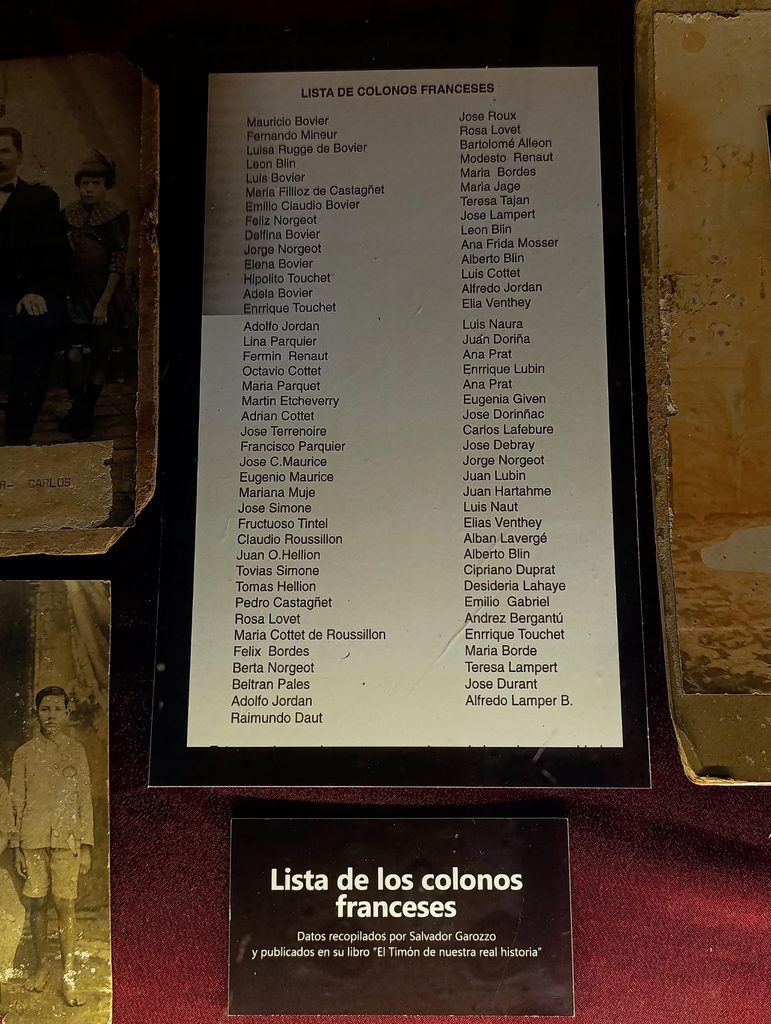
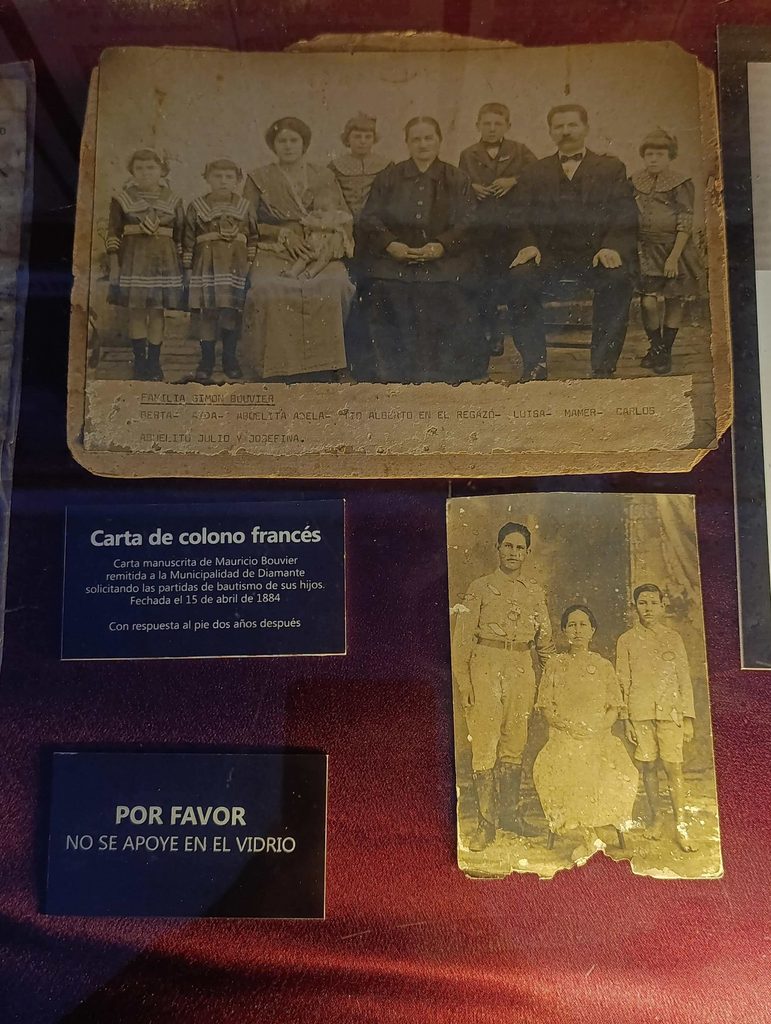
More than 170 years later, the colony remains a distinctive chapter in Paraguay’s history. People crossed an ocean seeking land and opportunity, but the settlement they helped establish followed a different course from the one they had imagined. Readers interested in the area’s past can visit the Salvador Garozzo Museum in Villa Hayes, Presidente Hayes Department. Its collection includes photographs, documents and family belongings that preserve the community’s history.
For another chapter in the Chaco’s migration history, read Mennonites In Paraguay #1: The Mennonite Path To The Paraguayan Chaco.