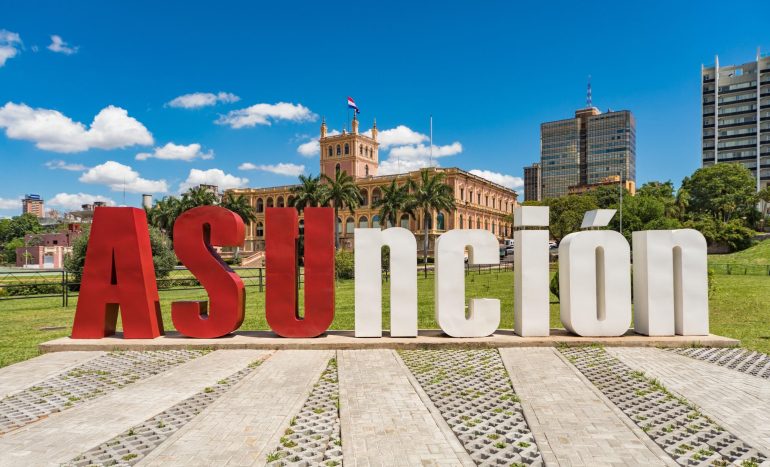

Asunción ranks 446th among 1,000 cities in the Global Cities Index 2026. Oxford Economics assesses cities through five pillars: Economics, Human Capital, Quality of Life, Environment and Governance. The 2026 ranking marks a 22-place rise from Paraguay’s capital’s position in 2025 and now places Asunción 17th in South America. Meanwhile, the results showcase areas where the city could strengthen its position internationally.
In 2025, Asunción was placed 468th in the annual ranking of the top 1000 cities worldwide. New York, London, and Paris again occupy the top three spots in 2026. Oxford Economics uses indicators like GDP per capita, population growth, and life expectancy. These metrics help assess a city’s economic strength, demographic trends, and quality of life.
Asunción’s position in South America
Oxford Economics examines more than just economic performance when evaluating each city. The methodology considers employment, education, income, life expectancy, crime, air quality, green spaces and political stability. Additionally, the index considers the rule of law and the ease of doing business. Together, these indicators provide a view of urban development and competitiveness.
Across South America, Asunción ranks behind cities including Buenos Aires, Santiago, Lima and Montevideo. However, the capital remains ahead of Guayaquil, which ranks 448th globally. The comparison also places Asunción among a diverse group of regional cities facing different economic and urban challenges. Therefore, the ranking offers a wider picture of the capital’s development.
Human capital offers a strong foundation
Among the five pillars, Asunción records its strongest position in human capital, ranking 319th globally. This category considers factors such as education and employment, highlighting the people and skills contributing to the capital’s development. Furthermore, the result points towards an important resource for Asunción as the city continues developing its economic and social opportunities.
Quality of life places Asunción at 511th, while the environmental pillar ranks the capital 418th. These figures reflect areas where urban development can continue creating opportunities for improvement. For residents and visitors, investments in public spaces, environmental conditions and access to services could further shape daily experiences across the capital.
Looking towards future opportunities
Governance represents Asunción’s lowest individual position, placing 652nd globally. Nevertheless, the Global Cities Index 2026 provides more than a snapshot of current conditions. The results can also help identify areas for future development, particularly as cities across Latin America adapt to changing economic and social conditions.
Oxford Economics also identifies several South American cities as “cities to watch”. Brasília, Lima, Medellín, Monterrey and Santiago appear among the cities expected to climb the global ranking in coming years. Their inclusion reflects the changing landscape of urban development across the region.
A changing city
Globally, established cities such as New York, London, Paris and Tokyo continue to occupy prominent positions. At the same time, Oxford Economics highlights Asia’s growing economic influence. Cities including Shanghai, Jakarta, Manila, Ho Chi Minh City, Bangalore and Mumbai have expanded their economies and labour markets.
For Asunción in the global cities index, the 446th position provides a point of reference within this changing global landscape. The capital’s human capital result, alongside its position above several regional cities, highlights existing foundations for continued progress. As Paraguay’s capital evolves, future improvements across economic, environmental and governance areas could strengthen its presence among global cities.
Also read: Paraguay Ranks Second In South America In 2026 Global Relocation Index.