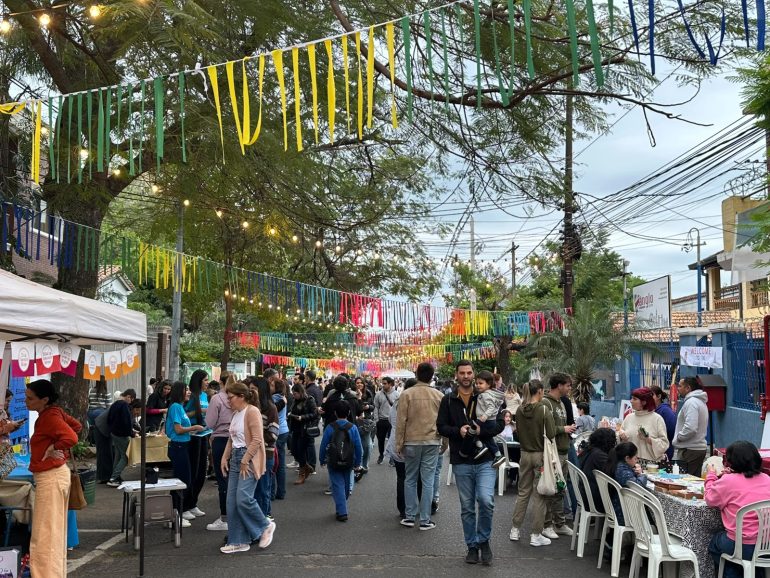

Under the cloudy sky of 5 September 2026, Juan de Salazar Street exchanged its usual traffic for music, art, games and more. This was Calle Cultura 2026, over the stretch between Avenida Artigas and San José in Asunción, bringing artists, families, cultural organisations and curious visitors together for the event’s 12th edition. From 16:00 to 20:00, the road and pavements became an open-air cultural space. Children stopped to play and create, groups gathered around workshops and stands, while music from the stages provided a soundtrack to the afternoon.
For Stella Netto (65), general director of the Anglo English Institute and one of the organisers of the event, the 12th edition has continued to attract a strong crowd despite the weather.
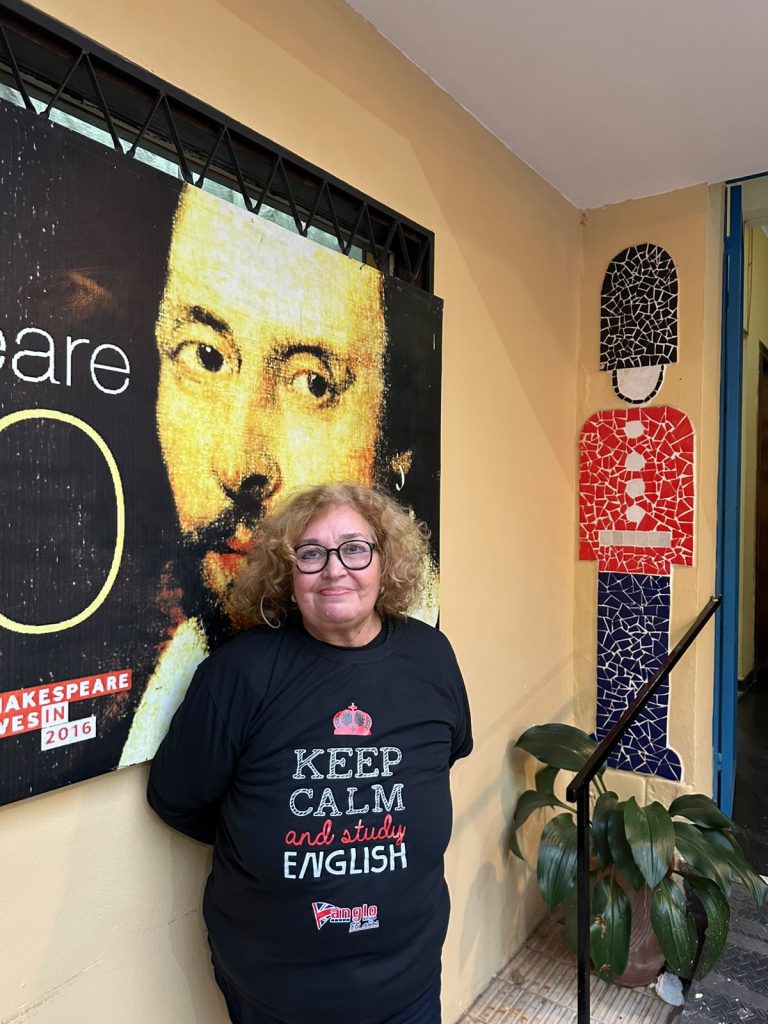
“Due to the weather conditions, maybe we have fewer people than we expected, but it is still very crowded, as you can see. We are used to having sunny days and really, very, very hot weather,” Netto says. “Especially at this time of the year.”
A street transformed for an afternoon
Calle Cultura was designed around a simple idea: a street can be much more than a route from one place to another. For four hours, Juan de Salazar demonstrated that idea as cultural and educational institutions opened their surroundings to the wider community.
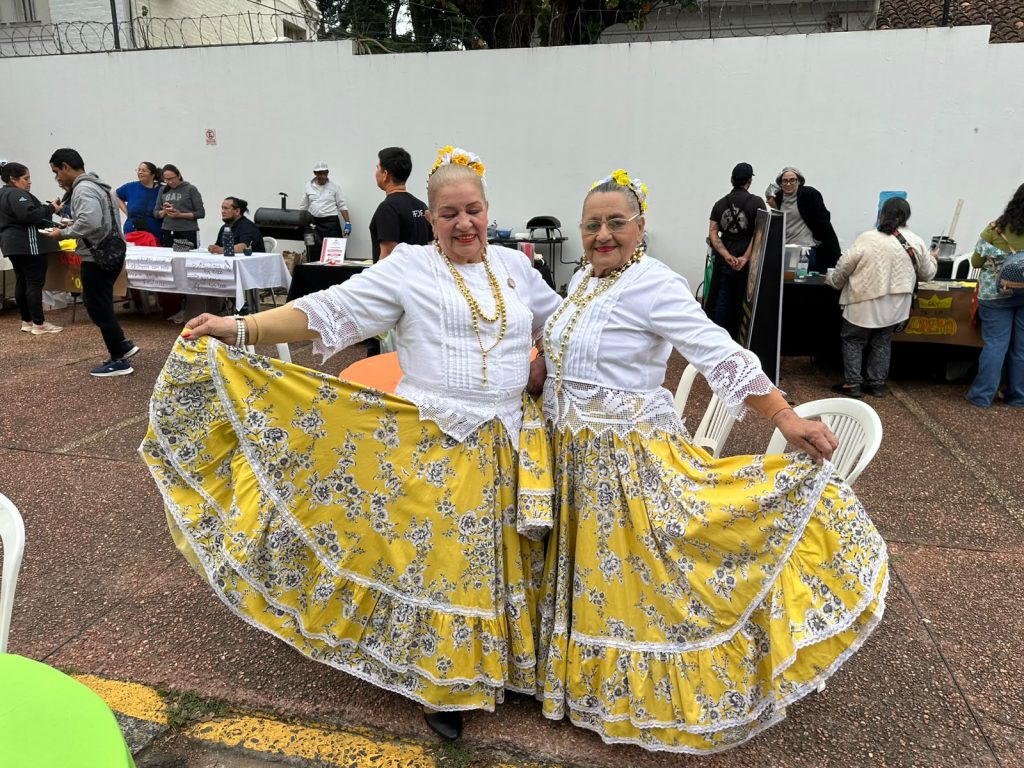
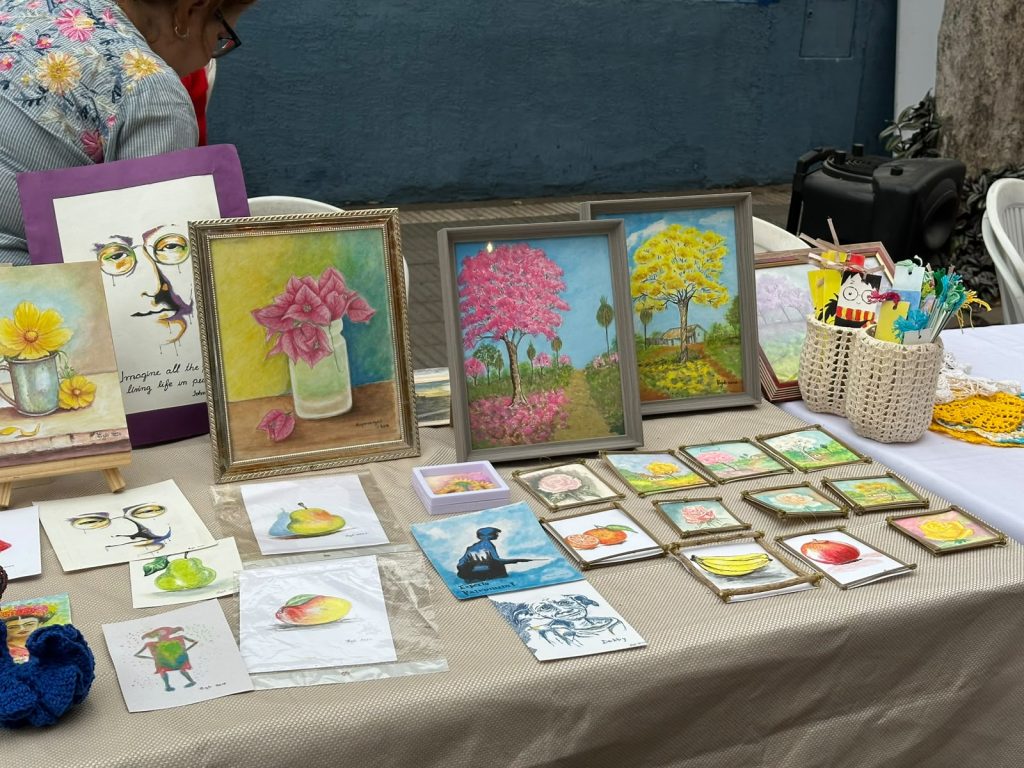
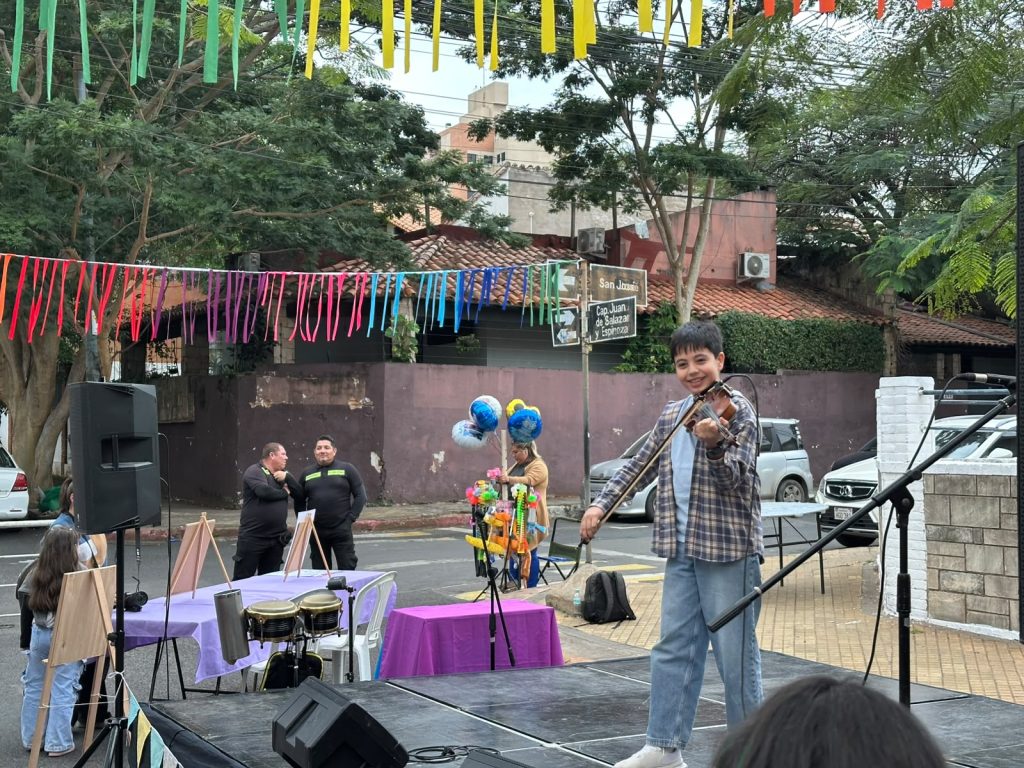
The 2026 programme included traditional and board games, as well as workshops involving recycling, screen printing, painting and design. Participatory activities ranged from collective poems and murals to city maps, while reading spaces, performances and activities for different generations extended across the event. Music was another constant presence. The programme included live performances alongside hip-hop and street tango.
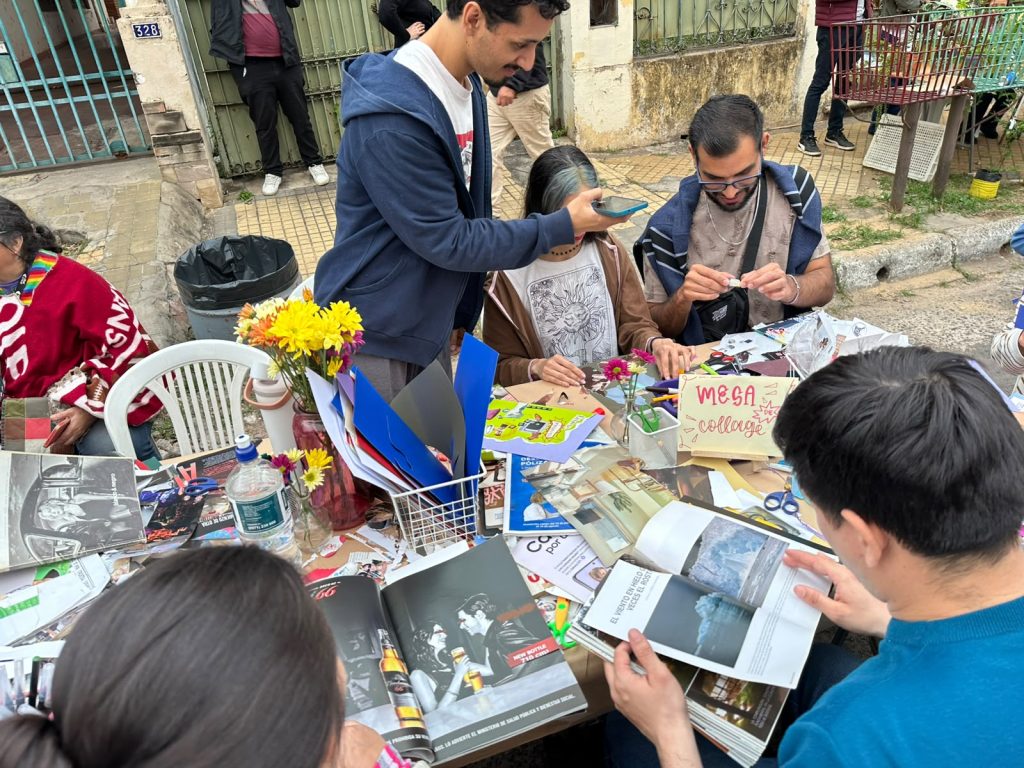
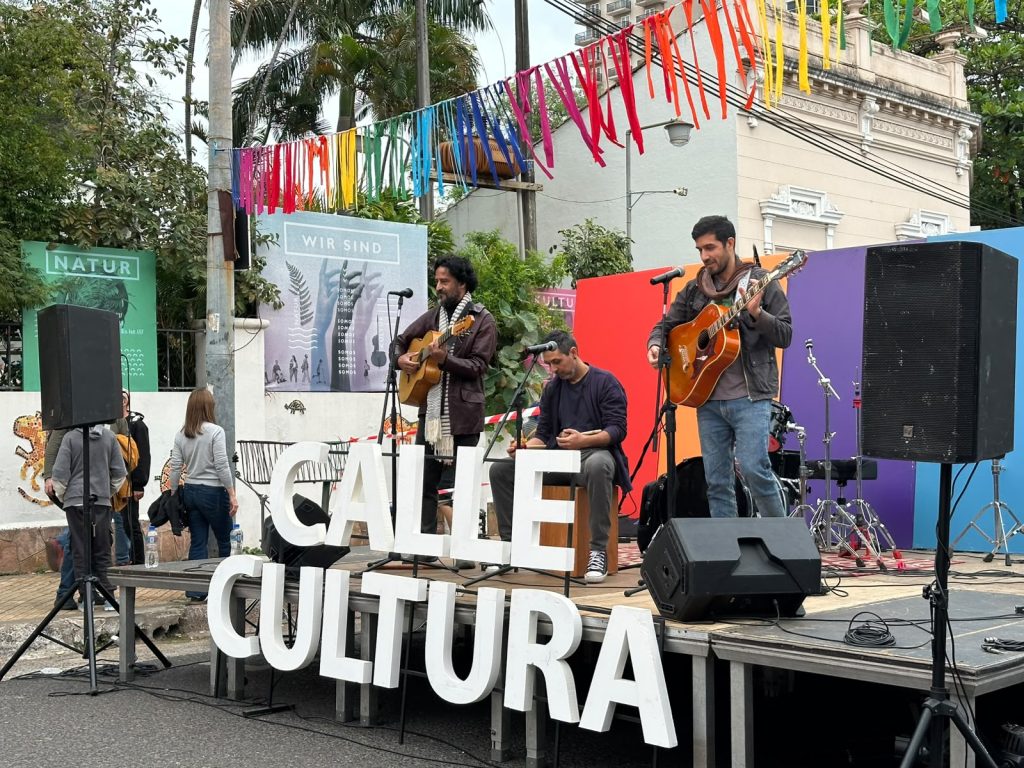
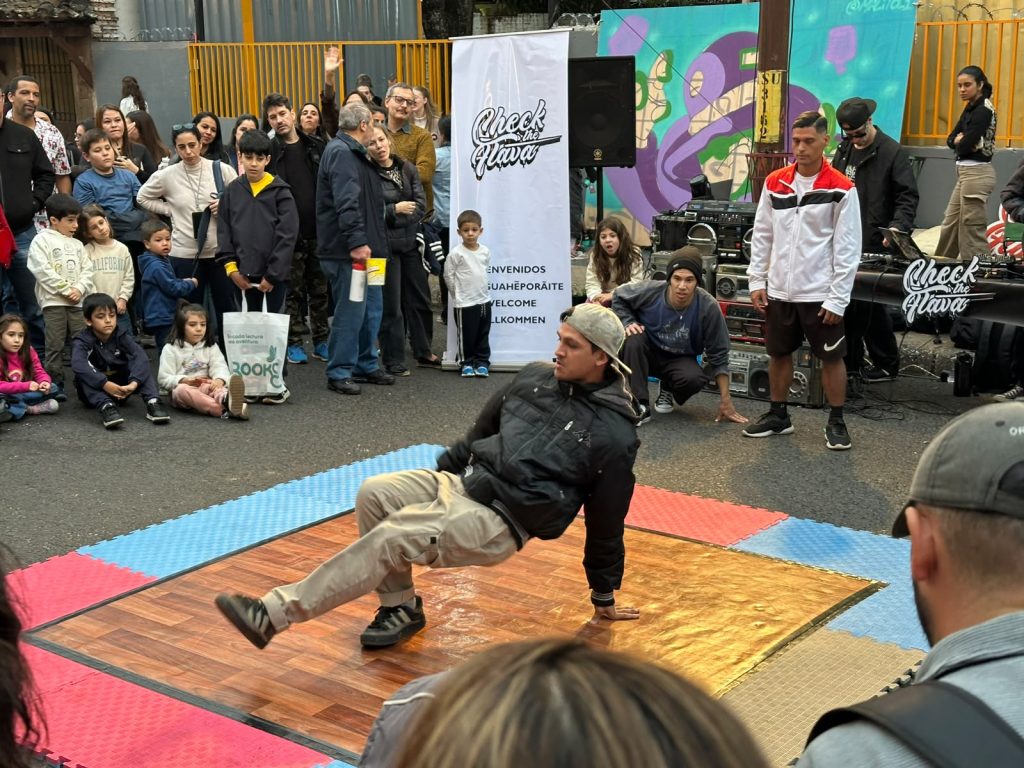
Much of the event’s character came from what happened between the activities: families walking down the middle of the road, children moving between workshops and people stopping to discover organisations they might normally pass without noticing.
“For Paraguayans, it is harder to get into a place and ask. So if they just feel it, it is easier for them to make a connection and everything,” says Netto, regarding holding the event on the street.
A familiar event for returning visitors
For some participants, Calle Cultura has become an annual tradition. Oscar Arias, 31, was taking part for the second consecutive year.
“It is my second time doing Calle Cultura, my second consecutive year. I was a student at Anglo last year. This year I am no longer a student, but I came back to take part in Calle Cultura. I notice it is similar to last year, with lots of movement, perhaps a little cooler than last year.”
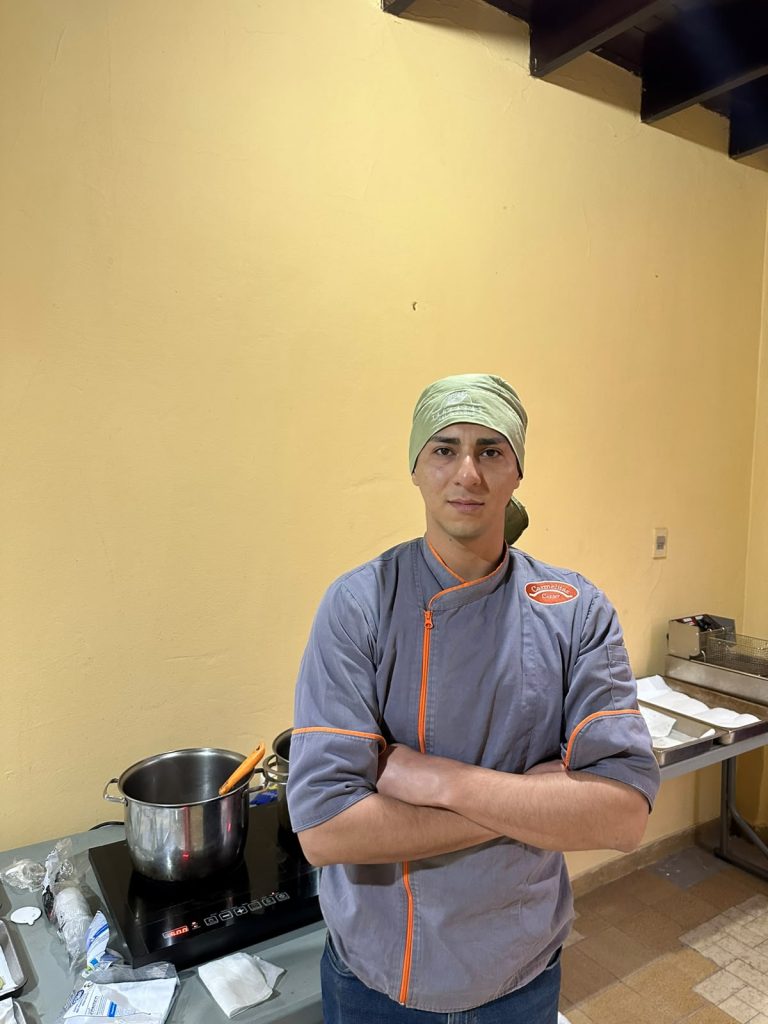
He was also helping with one of the event’s most recognisable British offerings: fish and chips.
“Because it is traditional, at least in the United Kingdom. It is the typical food, par excellence, so to speak, and it goes well with the weather and with the activity in general.”
Culture outside the usual walls
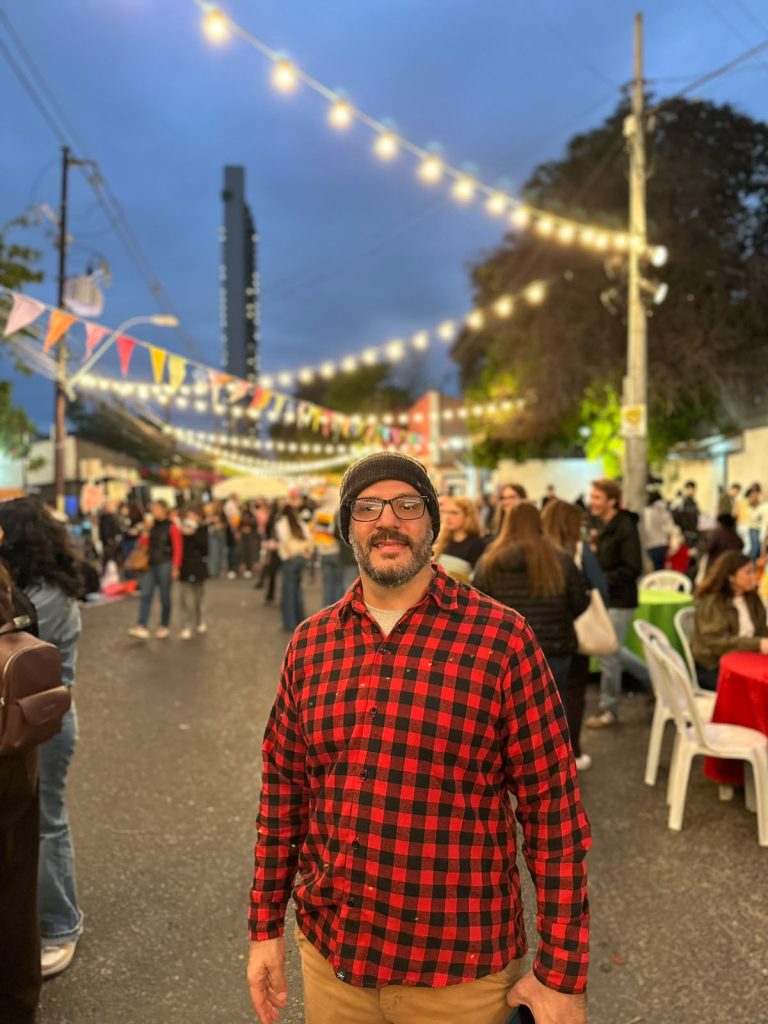
One of the distinctive features of Calle Cultura is that participation does not require entering a theatre, museum or cultural centre. Art and activities instead meet people directly on the pavement and roadway. The mixture of music, workshops, games and conversation allowed visitors to experience the afternoon at their own pace. Some came specifically for performances or activities; others wandered from one end of the street to the other to see what they encountered.
For 42-year-old visitor Oscar Gini, who has attended Calle Cultura several times, the event continues to offer something for a wide range of people.
“There is a lot of people, it is really entertaining, the food is delicious and there are lots of activities, especially for children.What we are watching is the street dancing. Last year and the previous years there was not anything like it, and it really caught my attention. I thought it was very enjoyable, and my son liked it a lot as well.”
Relationship with the neighbourhood
Netto acknowledged that the event’s relationship with local residents has evolved over the years.
“At the beginning, it was hard for them because of the noise and everything. Especially because, as we close the street, we ask the neighbours to please put their cars in their driveways. They cannot come in or come out until we open again.”
As the afternoon continued beneath the cloudy Asunción sky, Juan de Salazar remained recognisable as the same street that connects Artigas and San José. For a few hours, however, its purpose was different. That temporary transformation remains at the heart of Calle Cultura 2026. Twelve editions on, the event continues to make its case in the simplest possible way: sometimes, creating cultural space in a city begins simply by giving the street back to the people.
For more information on the event, check out Calle Cultura on Instagram.