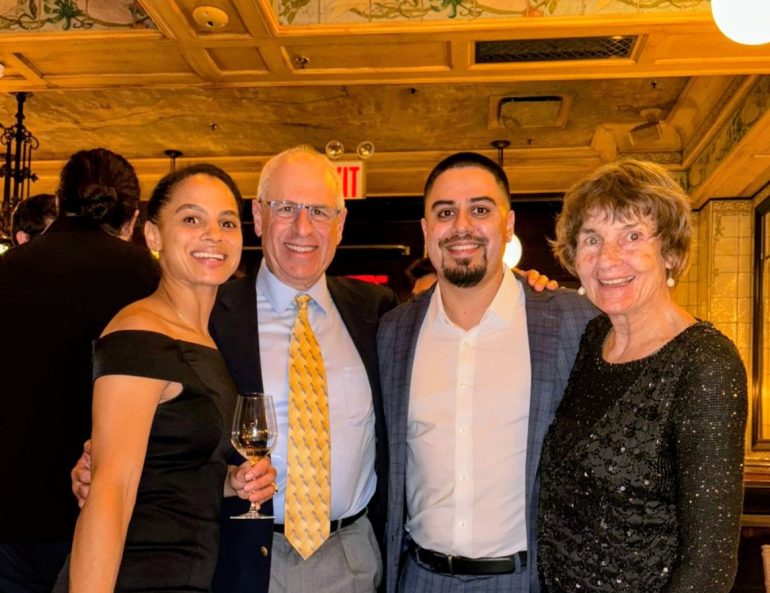

For many adoptees, finding their biological family is a lifelong journey filled with questions about identity, belonging and origins. For Paraguayan-born adoptee Jeremy Rabin, that search became even more complicated when the woman listed in his adoption documents as his birth mother was revealed to be someone else entirely. Now 37 and living in Connecticut, United States, Rabin continues searching for his biological family while hoping his story can help other adoptees looking for answers about their own origins.
“I always had the desire to find my birth family and connect to my roots, my history and Paraguay,” Rabin tells The Asunción Times. “Even though I did not grow up there, I always identified as Paraguayan.”
Growing up knowing his story
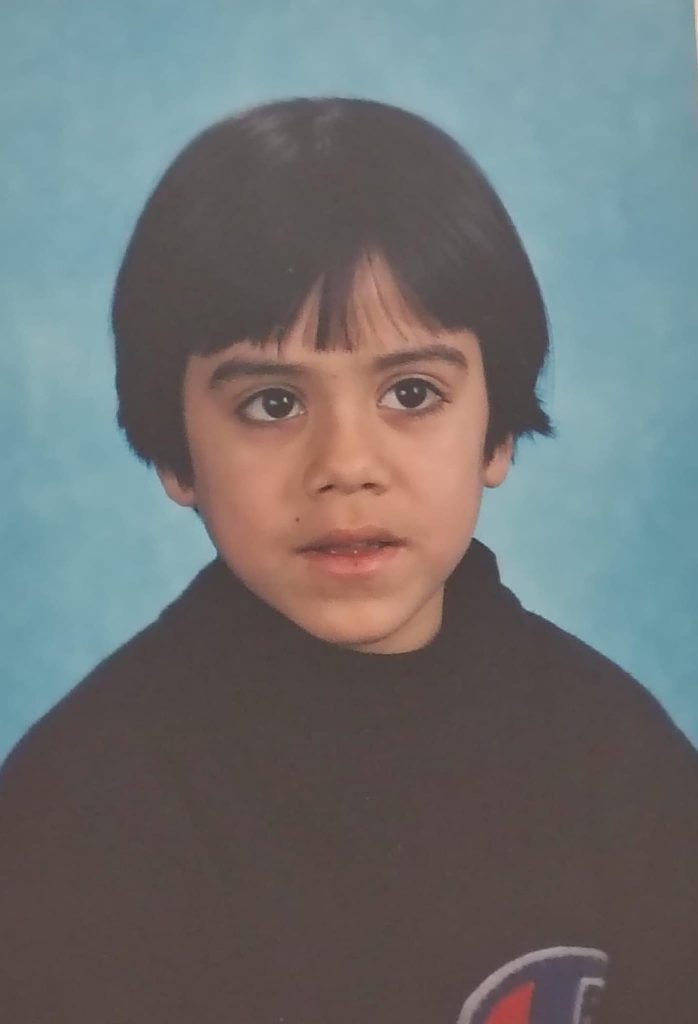
Jeremy Rabin grew up knowing about his adoption from an early age. “I think when I was in kindergarten, five or six years old, I already knew I was adopted. My parents were very open with me about my adoption, for which I am very thankful because that is not the case with all adoptees.”
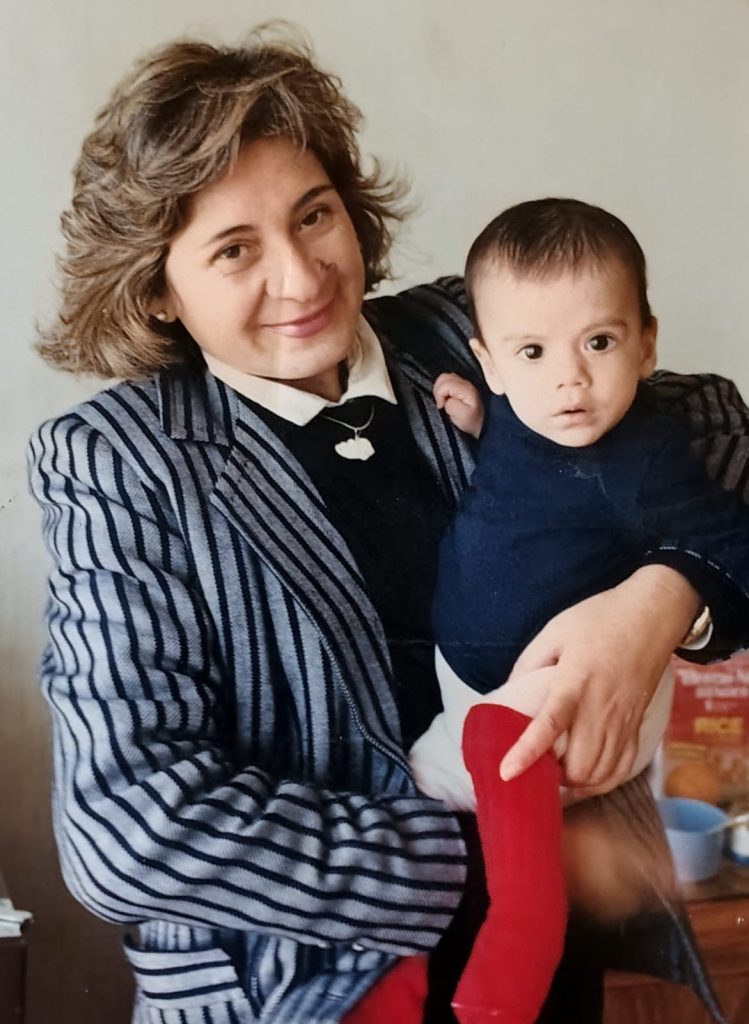
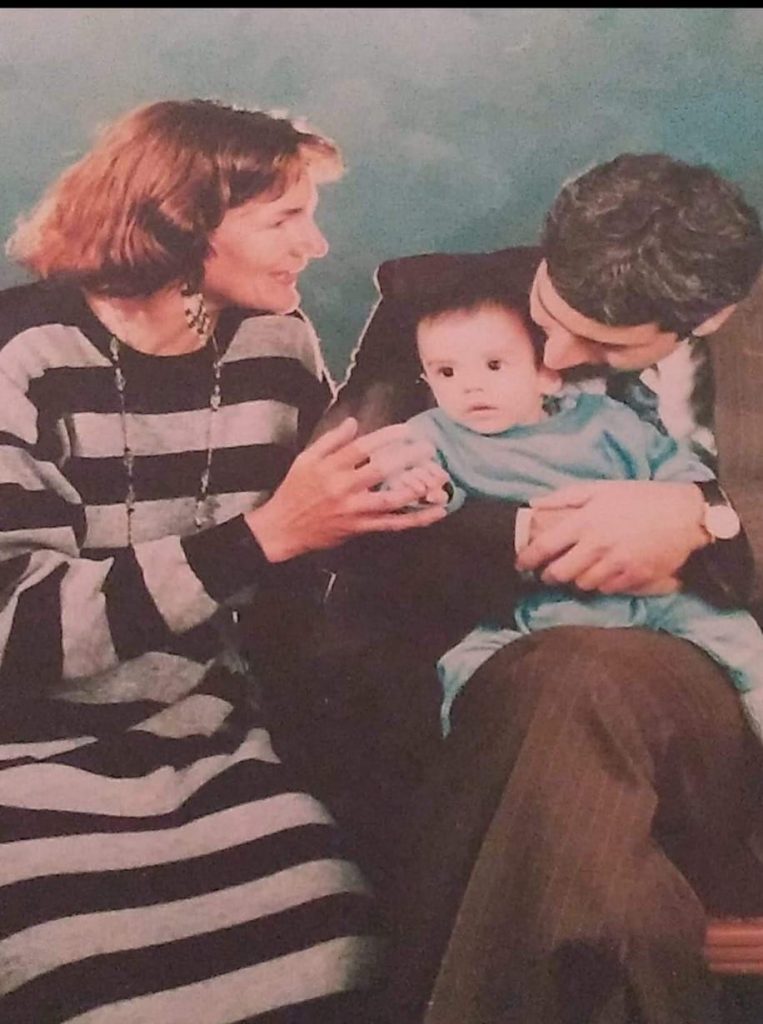
Born in Paraguay, Rabin spent his first nine months in a foster home in Asunción before being adopted and moving to the United States. “When I was adopted, my parents received me in a hotel. When I came off the elevator, they were there.”
At around 10 years old, Rabin returned to Paraguay with his adoptive parents for the first time. During that trip, they attempted to locate his biological mother, although they were unsuccessful. However, the visit allowed him to meet important figures from his early life, like the foster mother Inocenia Gomez de la Fuente, who cared for him during his first months.
“I was very blessed in that aspect because my parents were open from the beginning.”
Discovering a false identity
For years, Rabin believed the information contained in his adoption paperwork would lead him to his biological family. In 2012, while in his early twenties, he began searching for the woman listed as his birth mother. With help from Paraguayan attorney Daniel Varela, whom he found through another adoptee, Rabin returned to Paraguay in 2013 to investigate his origins. The search initially appeared successful.
“We found her, but long story short, she was not my birth mother. She was a fake. Her brother told me she never had children. She just signed her name.”
According to Rabin, her family may have pressured her to participate in the process, although he does not know all the details of what happened at the time. He also believes the lack of modern technology made it easier for false identities to remain hidden.
“Back then they did not have easy DNA access like now. You can do a DNA kit through Ancestry, MyHeritage or 23andMe, but that accessibility was not there. There were a lot of emotions for me,” he said. “I always wanted to find my birth family, so not finding my birth mother was difficult.”
Finding a connection to Paraguay
Although the search did not unfold as he expected, Rabin says his return to Paraguay transformed his life in unexpected ways.
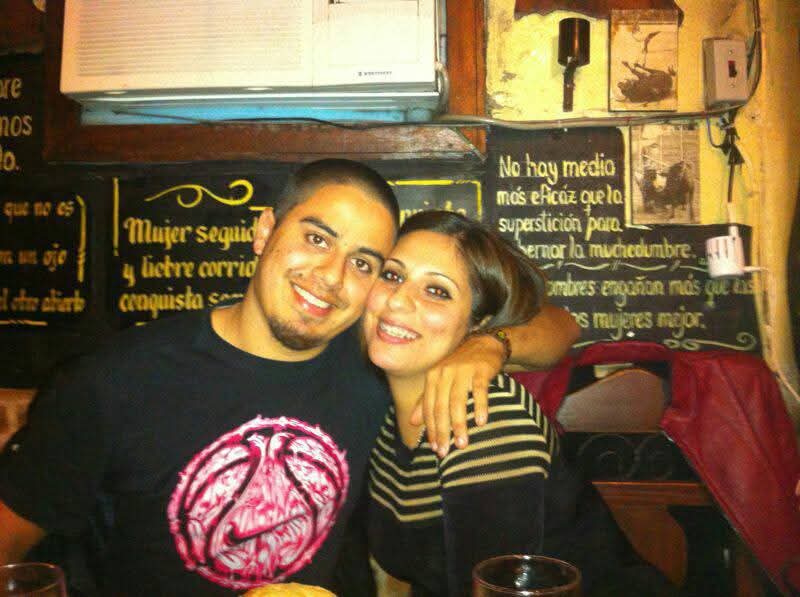
“I went back to Paraguay not only to find my birth mother, but also to learn Spanish. I actually met my wife when I went to see my fake birth mother for the second time. Even though in the beginning I was very angry at her for lying to me, I also thanked her because thanks to her, I went back to Paraguay.”
Jeremy Rabin lived in Paraguay from 2013 to 2015 and again from 2019 to 2021, when his daughter was born. Today, he speaks Spanish with his wife and has also started learning Guaraní.
“I only speak Spanish with my wife, and we have been together for 13 years. And I know a little bit of Guaraní, which I have to improve.”
Despite the difficulties, Rabin says he feels deeply connected to his birth country.
DNA brings new family discoveries
Years after his initial search, DNA testing helped Rabin uncover a new possible connection to his biological family. Around three years ago, he discovered a DNA match through an ancestry website. “I found a cousin with about 7% DNA shared. For me, that is very high.”
The connection led him to Maura Ramírez, whose daughter is Maureen Montanía. Through genealogy research with Militiza Machuca, Rabin traced the family line through Maura’s father, Lupercio Ramírez, and her grandfather, Valentín Ramírez, originally from Caapucú. Valentín Ramírez, born in 1885, had at least 13 children: three with Alvina Florentín, born in 1889, and ten with Francisca Javiera Fernández Franco, born in 1892. Rabin has spent years building a family tree to understand where he may fit into this large family network.
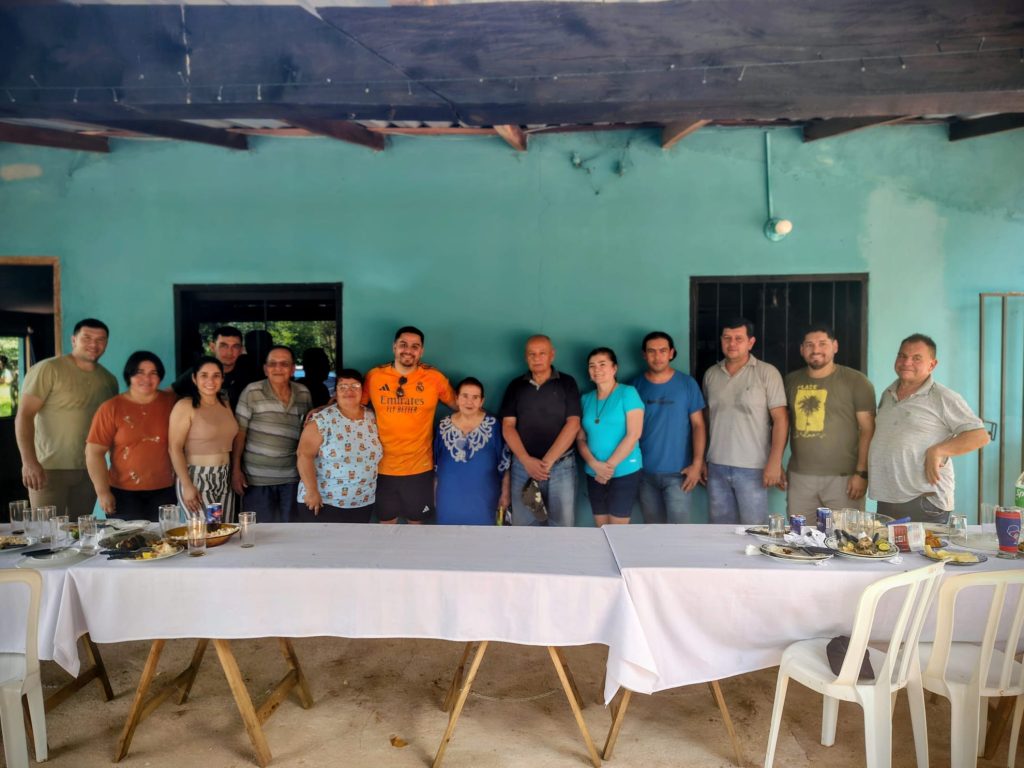
“The family is so big that it is difficult. I was able to find many relatives, but I still have not figured out what the direct connection is.”
In December 2025, Jeremy Rabin returned to Paraguay and visited Caapucú, where he met more members of the Ramírez family. “I never thought I would come so close. Five years ago, when I left Paraguay, I had nothing. Now I met her and more family members.”
Although he still does not know whether the connection comes from his biological mother’s or father’s side, he remains hopeful. “My wish is to find my birth mother or birth father. I do not know which side of the family it comes from, but I am still searching.”
Building a future for adoptees
Today, Rabin works in the association management field, serving as the executive managing three Bar Associations in Connecticut. Although he is based in the United States, Paraguay remains an important part of his life.
“I definitely enjoyed my time in Paraguay. Every country and every culture has positives and negatives, but you have to learn how to adapt and make the best out of it. I do not have an issue moving. When I lived in Paraguay, I really loved it.”
He also hopes his story can contribute to a larger conversation about Paraguayan adoptees searching for their origins. Rabin acknowledges the corruption and irregularities that affected some international adoptions from Paraguay during the 1980s and 1990s, but he believes the focus should now be on helping adoptees find answers.
“We know the corruption took place, but that is not our focus. Our focus is not to blame people. Our focus is to help adoptees. Each adoptee has a right to know where they are from. If somebody stops them from knowing the truth, that is very unfair.”
He hopes Paraguayan institutions can eventually provide more support for adoptees seeking records, citizenship information or connections with biological relatives.
“There are so many adoptees who do not know anything about where they come from, and they do not know where to start. Some do not have the right paperwork, some have no paperwork, and sometimes the people who could help do not want to.”
A search still in progress
Rabin continues to look for information about his biological family and hopes that sharing his story may connect him with someone who knows more. Anyone with information about the Ramírez family from Caapucú or possible connections to his adoption story can contact The Asunción Times, which will forward relevant information to Rabin. Also, people can contact Jeremy Rabin on Instagram.
“I am very open to it,” he says about continuing his search. “I am ready for anything because I already went through a lot. Everything happened for a reason. I found my birth country, I found my family connections, and I found love.”
After decades of questions, Rabin remains optimistic about what the future may bring.
More Paraguay’s Lost Children stories
Paraguay’s Lost Children #3: Redefining Belonging With Adoptee Claire Stiglmeier,
Paraguay’s Lost Children #2: The Emotional Return Of David Heinzerling After 18 Years Apart,
Paraguay’s Lost Children #1: The International Adoptions In The Stroessner Era.