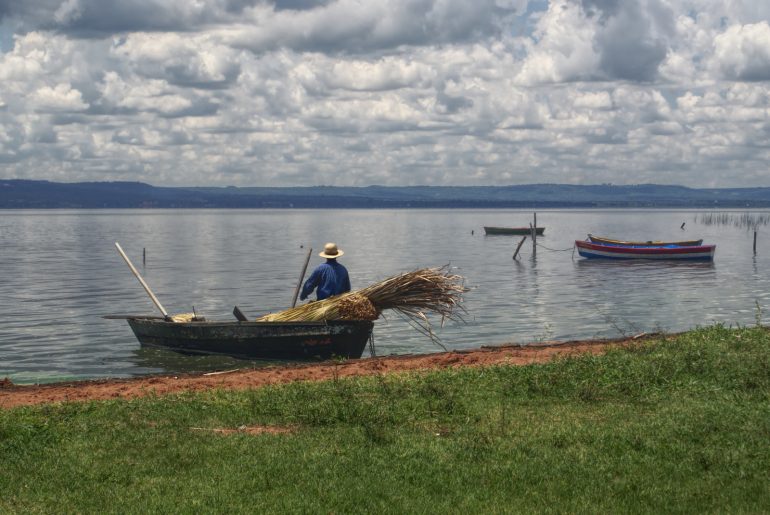

How is fish life in Paraguay? Although the country has no coastline, it is home to some of South America’s richest freshwater ecosystems. The great Paraguay, Paraná, and Pilcomayo rivers, along with countless smaller rivers, streams, lagoons, and wetlands, are home to an extraordinary diversity of fish. For generations, these waterways have shaped the country’s culture, cuisine, economy, and way of life.
Paraguayans connect with their rivers in unique ways. Fish are more than a source of food; they are part of the country’s traditions and everyday life. From sharing a bowl of the iconic pira caldo (fish soup), enjoying a chupín de surubí (surubí stew), or spending the day fishing with family and friends, Paraguayans have long maintained a close relationship with their rivers.
Today, we explore the many ways in which fish are present in Paraguay, including the different species that inhabit its rivers and the dishes that define its gastronomy.
The most famous fish
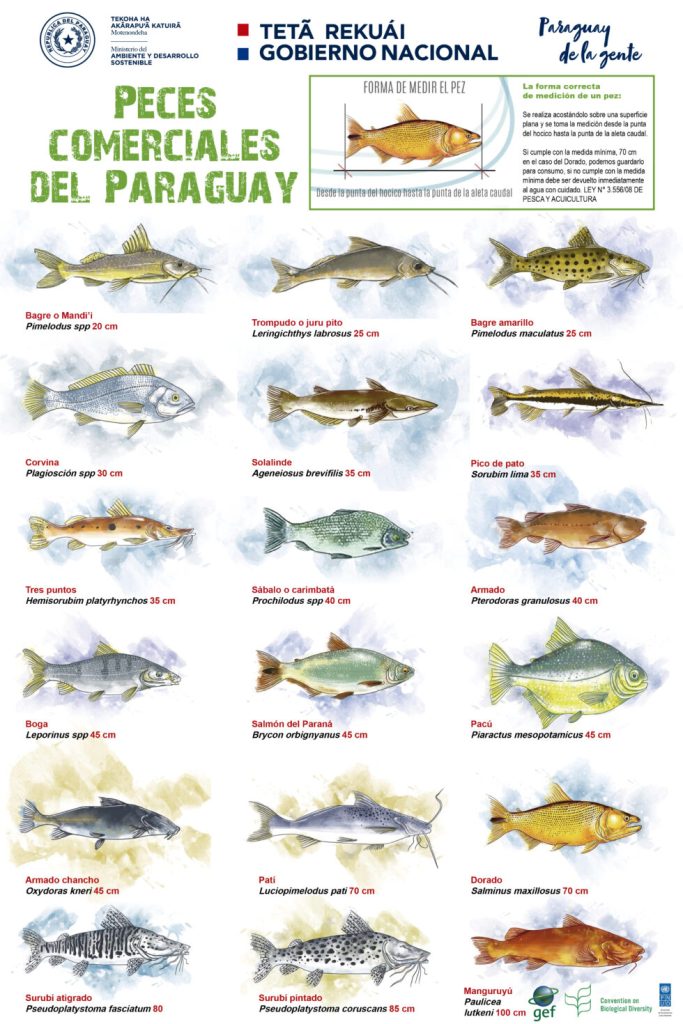
When talking about Paraguay’s fish, it is impossible not to mention the country’s two best-known and appreciated species: dorado and surubí. They are the most prized and sought-after freshwater fish in Paraguay, both commercially and gastronomically. Because of their large size, great flavour, and high nutritional value, they have become staples of Paraguayan cuisine.
However, Paraguay’s rivers are home to far more than these two iconic species. The pacú, for example, is a common inhabitant of the Paraguay and Paraná rivers and is highly valued both as a food fish and in aquaculture. Its cultural importance is reflected in National Pacú Day, celebrated on 11 April. Another species is the manguruyú, one of South America’s largest freshwater fish. Paraguay protects the species because of its ecological importance and declining populations.
According to scientific surveys and national biodiversity records, more than 300 species of freshwater fish have been documented in Paraguay. Traditional food fish include boga, armado, pico de pato, tres puntos, bagre, mandi’i, carimbatá, corvina, salmón de río, and patí. These species are widely enjoyed throughout the country and are commonly grilled, fried, or used in soups and stews.
Fish life in Paraguay: Iconic fish dishes
If you are in Paraguay, you will certainly hear about the iconic pira caldo, the country’s traditional fish soup. Like many Paraguayan dishes, its name comes from Guaraní, where pira means “fish”. This hearty soup is prepared with fish, vegetables, herbs, Paraguayan cheese, and cream, creating a rich and nourishing meal. It is often served with cassava and tortilla, a savoury fried fritter that is another staple of Paraguayan cuisine.
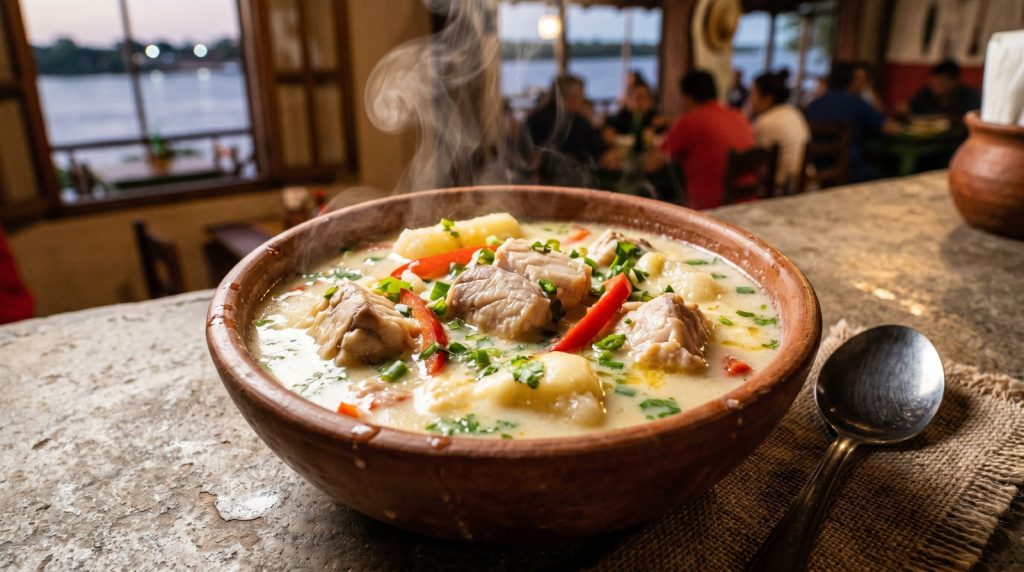
Many Paraguayans also swear by pira caldo yerador, which is believed to cure a hangover. The term yerador comes from Paraguayan slang, meaning “to recover from a hangover”. Thanks to the soup’s rich ingredients and warmth, it has earned a reputation for revitalising those who have spent a long night out partying.
Another favourite is chupín de surubí, a rich fish stew. It is typically prepared with slices of surubí, although other local species such as pico de pato and tres puntos are also commonly used. Other ingredients include potatoes, onions, tomatoes, peppers, herbs, olives, and Paraguayan cheese.
Whatever the recipe, both pira caldo and chupín are traditionally cooked in large pots and prepared to be shared with family and friends. This reflects how fish, beyond a source of nourishment, serve as a form of connection and community.
A living part of Paraguay’s identity
Paraguay’s rivers and wetlands are at the heart of the country’s natural and cultural heritage. Home to more than 300 freshwater fish species, these waterways sustain biodiversity while also shaping local traditions and livelihoods. Some of the best places to try these dishes include Asunción’s traditional eateries, the riverside city of San Antonio, which celebrates the National Piracaldo Festival every August. And of course, communities along the Paraguay and Paraná rivers, where fresh local fish are part of everyday cuisine.