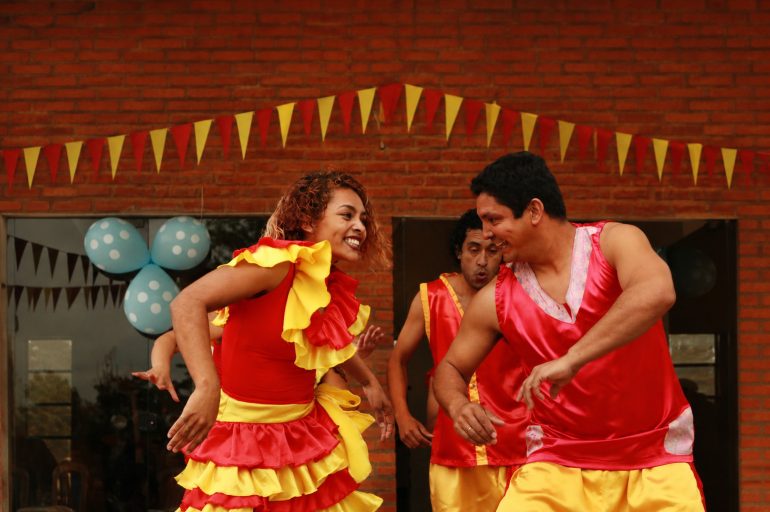

Paraguay is in the international spotlight after a senator’s remarks about French footballer Kylian Mbappé drew condemnation from Paris to the presidential palace. For Kamba Kua, an Afro-Paraguayan community on the outskirts of Asunción, the episode has reopened a conversation about identity and a story that has often gone untold, despite generations of history behind it.
Following Paraguay’s World Cup exit to France on 4 July 2026, Senator Celeste Amarilla posted comments mocking Mbappé’s background and appearance. Mbappé responded publicly, and French prosecutors have since opened an investigation. The Grupo Tradicional San Baltazar de Kamba Kua, the leading Afro-descendant cultural organisation in Paraguay, condemned the senator’s remarks, and called for greater respect for the country’s Afro-descendant population.
A community born of exile
Kamba Kua is a community in the district of Fernando de la Mora, part of the wider Asunción metropolitan area, home to several hundred residents. No comprehensive count of the community has been carried out since 2007. Paraguay’s 2022 national census did not include a question on Afro-descendant self-identification. This is a point the community’s own cultural association has raised publicly, calling for its inclusion in future census efforts.
The community identifies itself as descended from the Afro-descendants who arrived with José Gervasio Artigas, the Uruguayan independence leader, when he sought asylum in Paraguay in 1820. The country’s then ruler, José Gaspar Rodríguez de Francia, settled the group on the land it still occupies. He provided plots and farming tools, while sending Artigas himself to the northern town of Curuguaty, away from his former companions.
Kamba Kua’s traditional name, Loma Campamento, reflects its earlier administrative status: before Fernando de la Mora became an independent municipality in 1939, the area belonged to the district of San Lorenzo. Descendants of the same Artigas retinue also settled nearby, in what is now Luque, in a community known as Laurelty. The land had previously belonged to a Jesuit estate. Over the course of the twentieth century, large portions of the original landholding were reassigned to other purposes. First under President Higinio Morínigo in the 1940s and later under the government of Alfredo Stroessner.
Kamba Kua today: a living culture
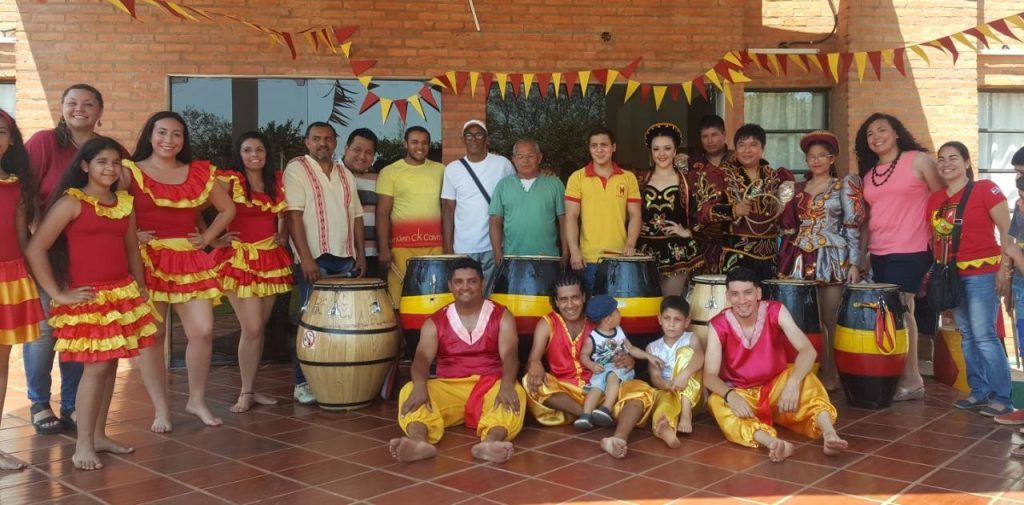
Kamba Kua is far more than a historical footnote. It remains an active community, built around cultural transmission from one generation to the next. Since the 1960s, formal groups have worked to keep this heritage visible. Chief among them is the Grupo Tradicional San Baltazar, a dance ensemble established in 1991 by Lázaro Medina, building on foundations laid earlier by his relative Santiago Medina. A separate body, the Asociación Afroparaguaya Kamba Cuá, has represented the wider community since 1999 and organised the 2006–07 census.
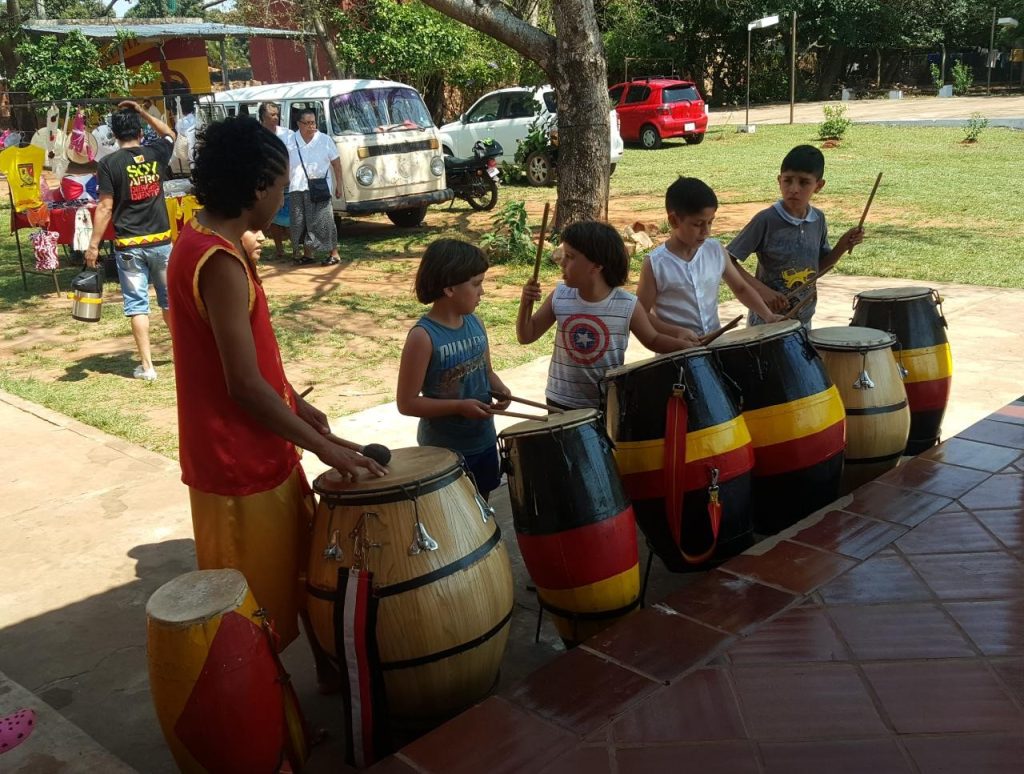
Children learn drumming and dance techniques from a young age. While performances are structured around segments for different age groups. This goes from young children through to elderly members who still dance at community events. Support from the Uruguayan organisation Mundo Afro, alongside changed political conditions after the end of the Stroessner era, helped the community secure formal title to part of its remaining land.
In addition to backing efforts to recover traditional drumming techniques. César Chávez, a journalist and vice-president of the Grupo Tradicional San Baltazar, has said the community kept a low profile on racism for years, largely to protect itself, but felt compelled to speak out given the scale of recent World Cup events.
The Feast of San Baltazar
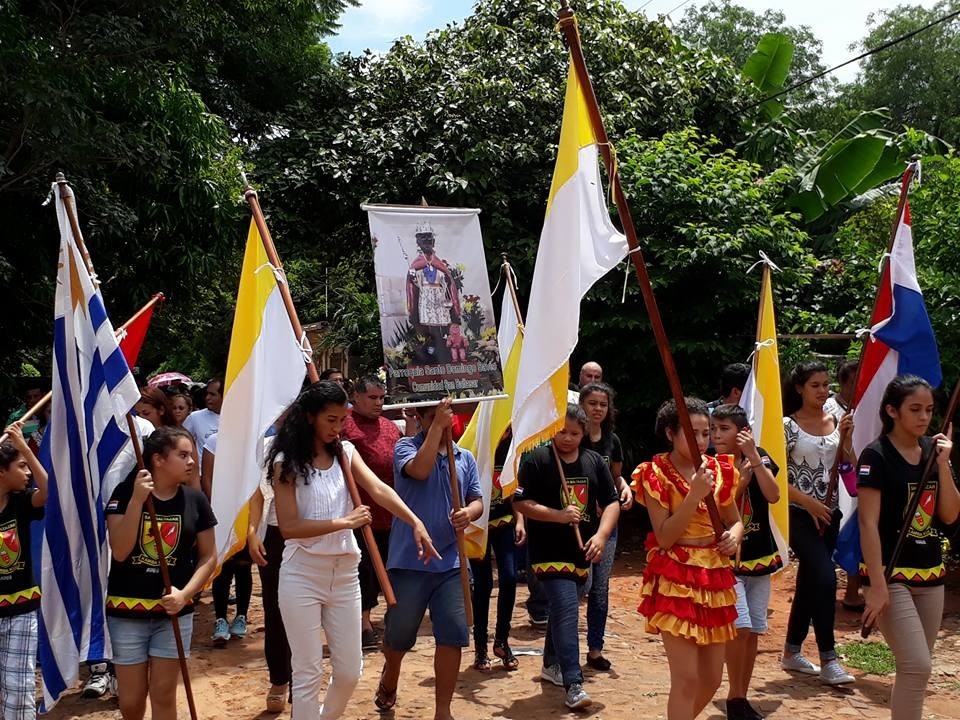
The clearest expression of Kamba Kua’s identity is the annual Feast of San Baltazar, held every 6 January, the date of Epiphany. The community adopted Saint Balthazar, traditionally depicted as the Black king among the Three Wise Men, as its patron.
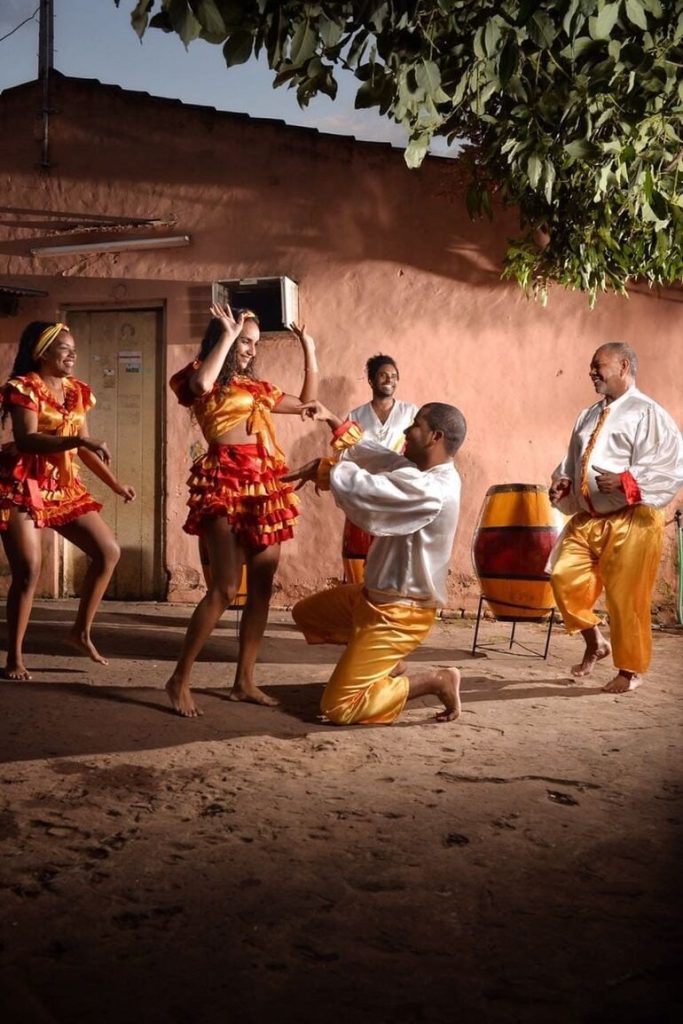
The celebration blends Catholic practice with African performance traditions. Drummers and dancers perform ceremonial dances. Each has its own name and origin, accompanied only by drums rather than melodic instruments. The event draws community members and outside visitors alike to the Club 6 de Enero in Fernando de la Mora, and is recognised by Paraguay’s National Secretariat of Culture as intangible cultural heritage.
A missing chapter in Paraguay’s story
Paraguay’s national identity is often described in terms of Guaraní and mestizo heritage, and this history remains little known abroad and at home. A 2022 law established mechanisms to punish racism against Afro-descendants, and community members continue to advocate for its fuller implementation.
Historians researching Paraguay’s slave-trade heritage describe Kamba Kua as the country’s only living, intangible record of its African past. With its drumming and dance treated as historical evidence in their own right, not simply as folklore.
History beyond the headlines
The controversy over Senator Amarilla’s comments will likely fade from international attention within weeks. Kamba Kua’s history will not. Through drumming, dance, and two centuries of continuity, the community preserves a chapter of Paraguay’s past that deserves to be better known.