
World (or International) Traffic Light Day is observed annually on 5 August to commemorate the installation of the world’s first electric traffic signal system on that date in 1914 at the intersection of Euclid Avenue and East 105th Street in Cleveland, Ohio. The day highlights the vital role traffic lights play in road safety, orderly traffic flow, and pedestrian protection worldwide.
Paraguay developed relatively recently compared with many countries, particularly in the capital city, Asunción. The evolution of traffic lights reflects broader changes in urban planning, population growth, and technological modernisation over the last five decades.
Before 1974: No traffic lights in the capital
Until the early 1970s, Asunción did not have any traffic lights in operation. At that time, Asunción ranked among the last capital cities in Latin America to introduce traffic lights. Traffic officers controlled intersections by directing vehicles on the streets. As a result, road management depended entirely on human coordination rather than automated signalling systems.
1974: The first traffic light in Paraguay
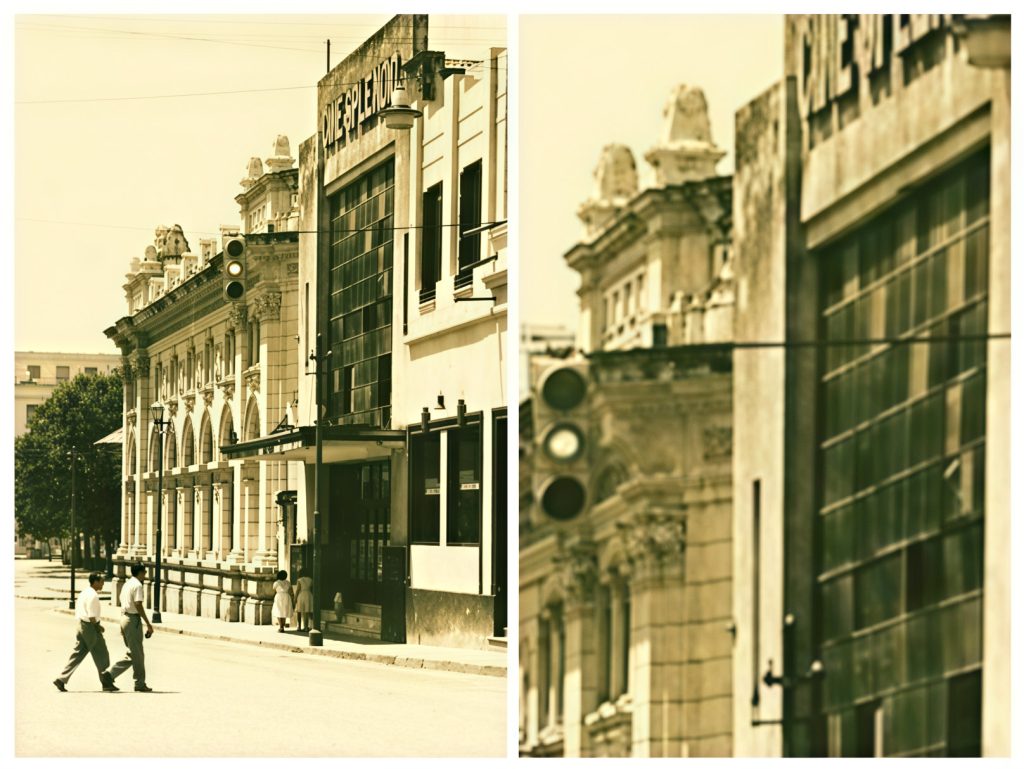
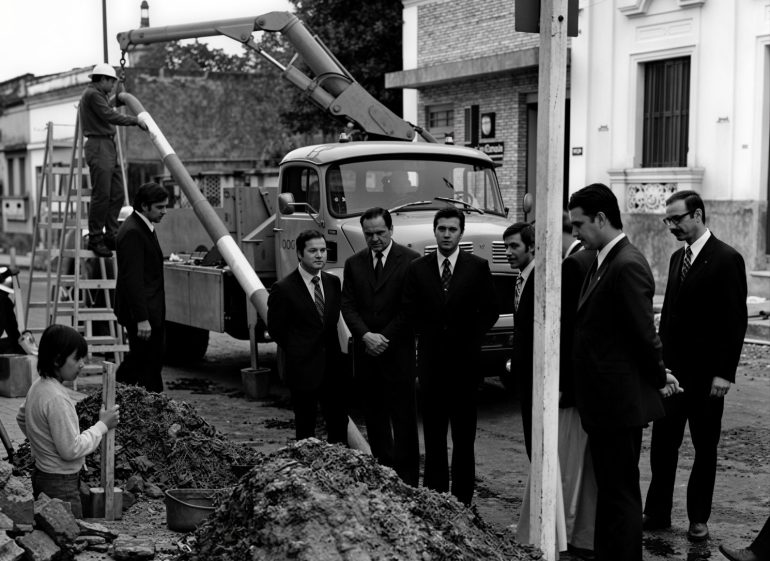
Paraguay installed its first traffic light on 30 May 1974 at the intersection of 14 de Julio Street (now Manduvirá) and 15 de Agosto Street in Asunción. This event marked the beginning of automated traffic control in the country.
In July 1974, additional traffic lights began operating on a trial basis. They were installed at central intersections such as Colón and Ygatimí. This period represents the transition from manual traffic control to automated regulation.
1970s and 1980s: Gradual expansion
During the 1970s and 1980s, the expansion of traffic lights remained slow and limited. Asunción continued to rely on roundabouts and traffic officers, while its traffic light network expanded slowly. Although urban growth was taking place, the system remained incomplete, and manual control still played an important role in daily traffic management.
2010s: Modernisation and intelligent systems
A major transformation occurred in the 2010s, when Asunción began modernising its traffic infrastructure. During this period, the city introduced advanced systems such as the Advanced Traffic Management System (ATMS) and intelligent traffic lights installed on major roads.
With support from KOICA in South Korea and other international partners, the city modernised approximately 78 intersections during the initial phase. This allowed centralised monitoring and improved real-time traffic control, marking a shift towards digital traffic management.
From 2023 onwards: Expansion of infrastructure
Since 2023, the expansion of traffic light infrastructure has continued as part of wider urban development projects. In that year, the municipality announced the installation of 72 new traffic light intersections aimed at improving traffic flow and reducing congestion in Asunción. This reflects ongoing efforts to strengthen and expand the city’s traffic control system.
Celebrating World Traffic Light Day
While Paraguay’s traffic light network has expanded significantly since the first installation in 1974, the country continues to invest in its transport infrastructure, with major upgrades currently underway on one of Asunción’s busiest road corridors. As we mark World Traffic Light Day each 5 August, Paraguay’s journey – from no signals until 1974 to today’s intelligent systems – reminds us how these devices, first lit in Cleveland in 1914, continue transforming safety and mobility worldwide.