
Paraguay’s connection with Germany is often reduced to the shadow of Nazi fugitives who fled to South America after the Second World War. While that chapter remains part of the historical record, it represents only a brief episode within a much broader story of migration. Leading up to the 2026 Wold Cup clash between the two countries, The Asunción Times dives into the German roots in Paraguay.
German presence in Paraguay dates back nearly five centuries. Germans have helped shape some of the country’s most recognisable towns, agricultural systems, and cultural landscapes. Today, this relationship continues to evolve in a new form. German citizens once again rank among the leading nationalities obtaining residency in Paraguay, reflecting a long-standing and still developing transatlantic connection.
German roots in Paraguay, nearly 500 years ago
The first documented Germans arrived in the region in 1535 as part of the Spanish expedition led by Pedro de Mendoza. Among them was Ulrich Schmidl, a soldier whose chronicles became one of the earliest European accounts of the Río de la Plata and Paraguay.
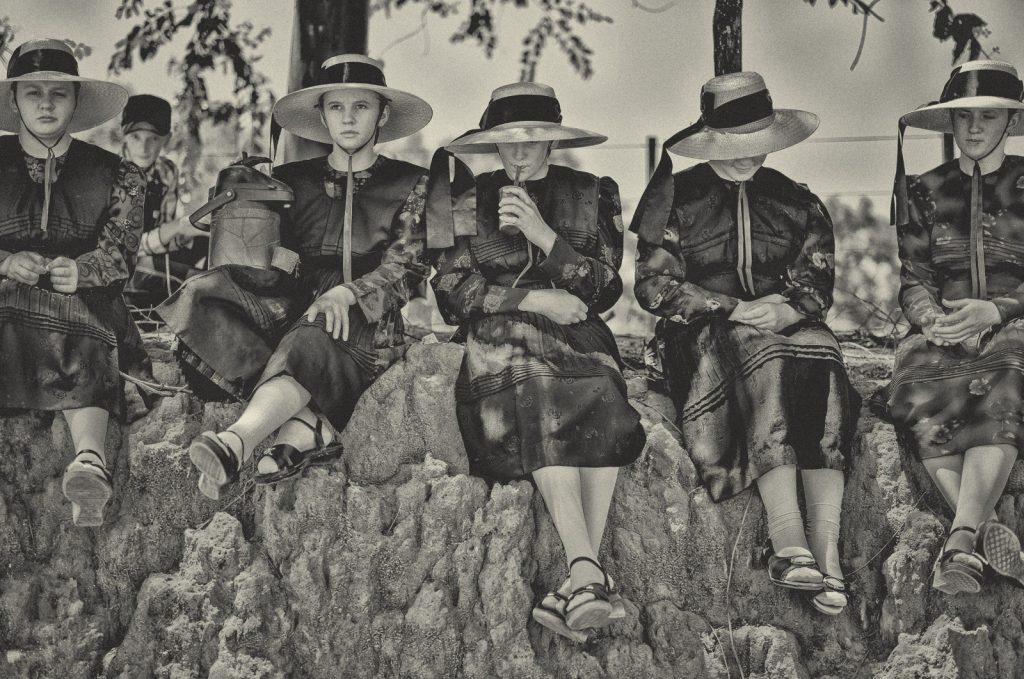
During the late nineteenth and early twentieth centuries, German families established agricultural colonies that became lasting communities. San Bernardino, founded in 1881, remains one of the most recognisable examples of this early settlement period. Other communities, including Hohenau in Itapúa, Nueva Germania in San Pedro, and Independencia in Guairá, also developed through German immigration. German-speaking Mennonite communities later transformed large parts of the Chaco. Colonies such as Menno, Fernheim, and Neuland became major centres of dairy and agricultural production, turning one of Paraguay’s most challenging regions into an important economic hub.
Today, the German presence extends well beyond historic settlements. Communities of German citizens and descendants are found across Asunción, Central, Itapúa, Cordillera, Guairá, San Pedro, and the Chaco. According to the German Federal Foreign Office, around 30,000 German citizens live in Paraguay, alongside an estimated 150,000 people of German descent.
A diplomatic foundation and early migration
Formal relations between Germany and Paraguay date back to the mid-nineteenth century. Both countries established early diplomatic and commercial ties that helped facilitate migration flows. This international framework coincided with Paraguay’s post-war reconstruction period. During that time, the country actively promoted European settlement to rebuild its population and economy. Large-scale German immigration began in earnest after the War of the Triple Alliance.
Facing severe demographic loss, Paraguay encouraged foreign settlers to develop agriculture and infrastructure. By the end of the nineteenth century, German migration had become part of a broader system of organised transatlantic settlement rather than isolated individual movement.
A family story: the Dohmanns and rural migration
Beyond institutions and statistics, individual family histories reveal how migration unfolded in everyday life.
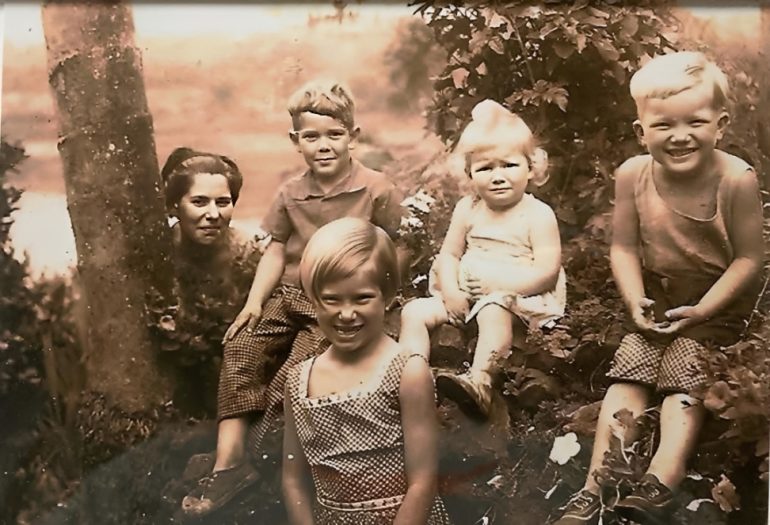
One example is the Dohmann family, who migrated from Germany to Paraguay in the 1950s. The German-born parents settled in rural Paraguay and went on to raise ten children. They dedicated their lives to diversified agricultural production. Those include milk, jams, fruits, vegetables, and honey. This reflects a broader pattern among immigrant families who helped develop small-scale farming systems across rural communities.
Their story also highlights the deeply personal nature of migration. Ursula and Erich Dohmann reportedly met in Paraguay after a year of correspondence. Originally initiated through a German magazine advertisement, seeking a partner willing to start a life “in the forests on the banks of the Paraná”. The family lived in Carmen del Paraná, Itapúa. A 1963 photograph captures Ursula, Juan, Érica, Rodolfo, and Edda with the Paraná River in the background. Such accounts illustrate how migration was also shaped by personal decisions and transnational connections.
The Nazi fugitives
Despite this long history, international attention often focuses on a darker post-war chapter. Following the collapse of Nazi Germany in 1945, several war criminals fled Europe and found refuge in South America. Paraguay became one of several countries linked to these escape routes.
The most prominent case was Josef Mengele, the former Auschwitz physician known for his crimes during the Holocaust. He obtained Paraguayan citizenship in 1959 under the dictatorship of Alfredo Stroessner. Later, he relocated to Brazil, where he died in 1979 without ever standing trial. His presence contributed to Paraguay’s controversial international image, although historians emphasise that such individuals represented a very small fraction of German-linked migration.
Another claim continues to attract widespread public interest: that Adolf Hitler survived the Second World War and secretly lived in Paraguay. While books, documentaries, and internet theories have kept the story alive, historians have found no credible evidence to support it.
Why Germans are choosing Paraguay again
In recent years, Paraguay has experienced a renewed wave of immigration from Germany. Since around 2015, a growing number of German citizens have relocated to the country. They are attracted by lower living costs, agricultural opportunities, investment potential, and relatively accessible residency procedures.
According to recent migration data, German nationals are among the leading groups obtaining Paraguayan residency permits. Germany is among the top foreign communities establishing legal residence in the country. Unlike earlier waves of settlement, many of today’s migrants are entrepreneurs, remote workers, or investors, although rural and agricultural migration continues in some regions.


A relationship shaped by continuity and contrast
Nearly five centuries after the first Germans arrived in the region, German roots in Paraguay remain layered and evolving. From early explorers and nineteenth-century agricultural colonies to Mennonite transformation of the Chaco, from post-war controversies to contemporary migration trends, the German-Paraguayan connection cannot be reduced to a single narrative.
Although the stories of Nazi fugitives continue to capture headlines, they represent only one chapter. The larger story is one of migration, settlement, and cultural exchange, one that continues to leave its mark on Paraguay today.