

Leaving Asunción for a few days is one of the best ways to discover another side of Paraguay: one filled with hills, forests, waterfalls, quiet towns, and local food. These road trips across Paraguay offer the opportunity to explore the country beyond the capital through nature, culture, and regional gastronomy. This particular route works well as a multi-day journey, starting in Asunción and travelling through some of Paraguay’s most natural and cultural destinations.
Paraguarí: Hills, viewpoints, and the first break from the city
Approximately one hour from Asunción, Paraguarí is an ideal first stop. Surrounded by hills and open landscapes, the city is one of the most accessible escapes for those looking to disconnect from the pace of the capital. One of the main attractions is Cerro Peró, where visitors can hike and enjoy panoramic views of the surrounding landscape. Sunrise and sunset are usually the preferred times to visit due to the cooler temperatures and the light over the hills. Along the way, there are also many small restaurants and traditional food stalls where visitors can try Paraguayan classics such as sopa paraguaya, chipa, and grilled meats.
Ybycuí: Nature, trails, and waterfalls
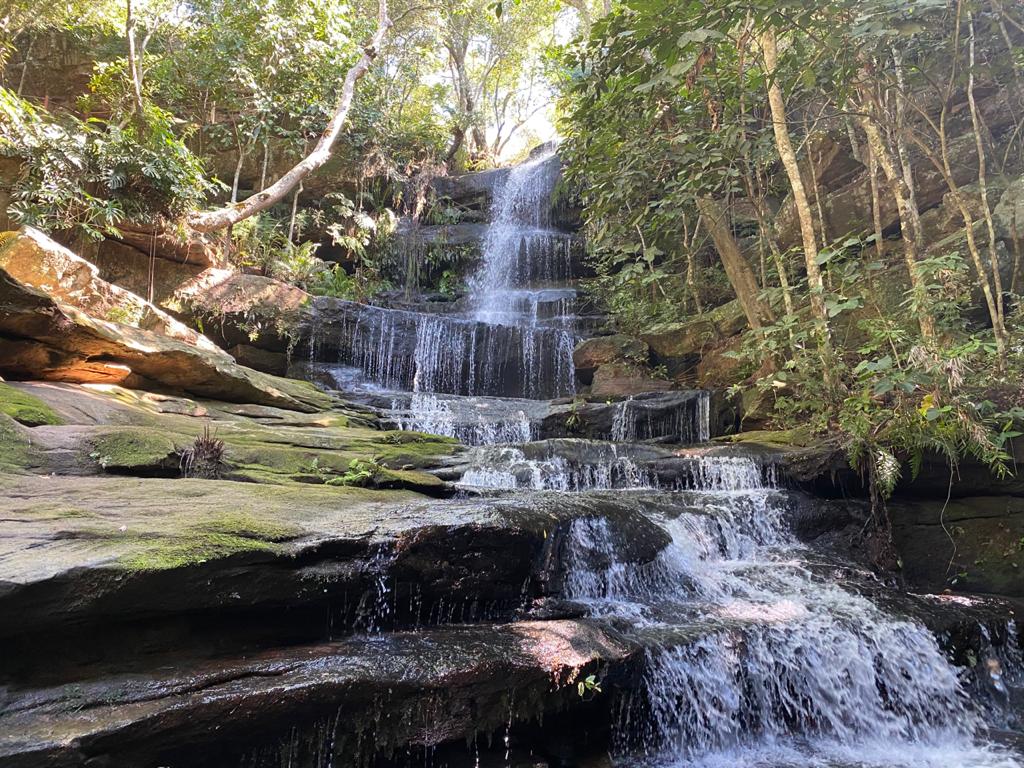
From Paraguarí, the route continues towards Ybycuí, home to Parque Nacional Ybycuí, one of Paraguay’s best-known protected natural areas. The park combines hiking trails, subtropical forest, streams, and waterfalls, making it one of the most complete nature experiences near the capital. Inside the park is also La Rosada, a historic iron foundry established during the government of Carlos Antonio López and later destroyed during the War of the Triple Alliance. Today, the site functions as a historical museum and cultural landmark. Ybycuí offers a much quieter pace and is an ideal stop for those looking to spend time outdoors.
Villarrica: Culture, gastronomy, and a quieter pace of life
Continuing east, the route reaches Villarrica, considered by many to be one of the most charming cities outside the capital. With a strong cultural identity, Villarrica combines history, gastronomy, and access to nature. Its tree-lined streets, cafés, and traditional buildings create a different atmosphere from that of Asunción. The city also serves as a starting point for exploring nearby hills and natural areas popular for hiking and outdoor activities.
Caazapá: Waterfalls and lesser-explored landscapes
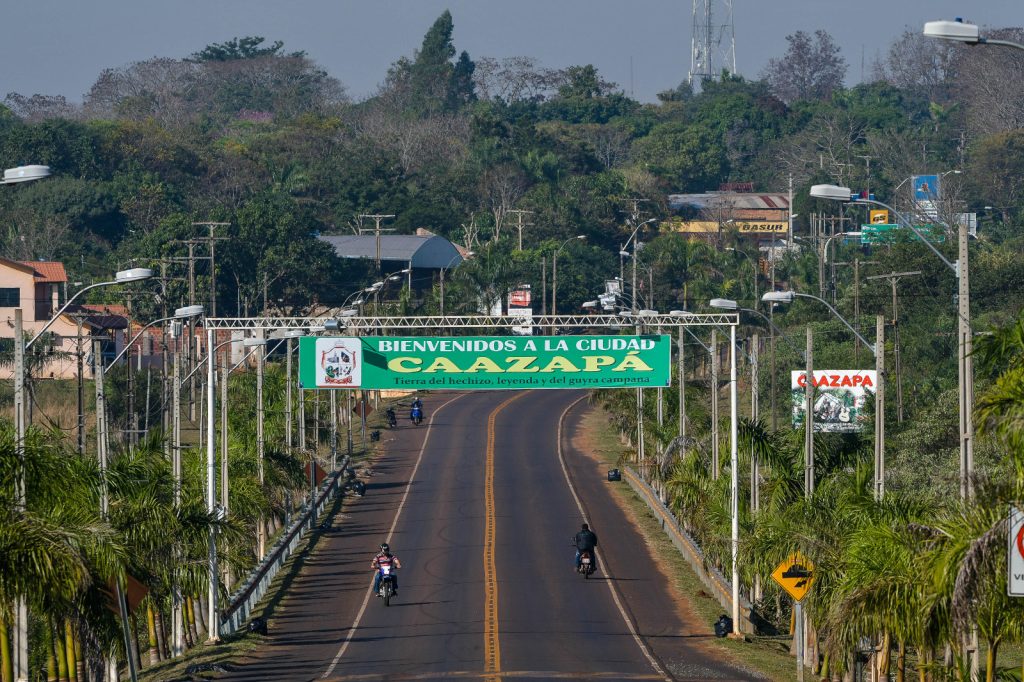
From Villarrica, the journey continues towards Caazapá, a destination less known among international tourists but recognised locally for its forests, streams, and waterfalls. The department includes several eco-tourism areas and natural swimming spots, particularly around the district of Tavaí. Many of these sites require short walks through forest trails and rocky terrain, offering a quieter experience surrounded by nature. Caazapá also provides travellers with the opportunity to experience a slower and more rural side of Paraguay beyond the country’s better-known tourist routes.
Piribebuy: History and riverside escapes
On the return journey to Asunción, stopping in Piribebuy combines nature and history. Known as the “heroic city” because of its role during the War of the Triple Alliance, Piribebuy combines historical landmarks with access to streams, natural swimming areas, and hilly landscapes. Places such as Pozo Hondo and nearby swimming spots make it a popular destination during the warmer months. In addition, the town is known for its relaxed atmosphere and homemade food, especially among people taking weekend trips from the capital.
Return to Asunción
After making such road trips across Paraguay, travelling through destinations such as Paraguarí, Ybycuí, Villarrica, Caazapá, and Piribebuy, the return to Asunción highlights one of the main advantages of domestic tourism in Paraguay: the possibility of reaching destinations with nature, gastronomy, history, and outdoor activities within just a few hours’ drive.
The route combines national parks, waterfalls, hiking trails, natural swimming spots, and cultural experiences that showcase different sides of the country beyond the capital.