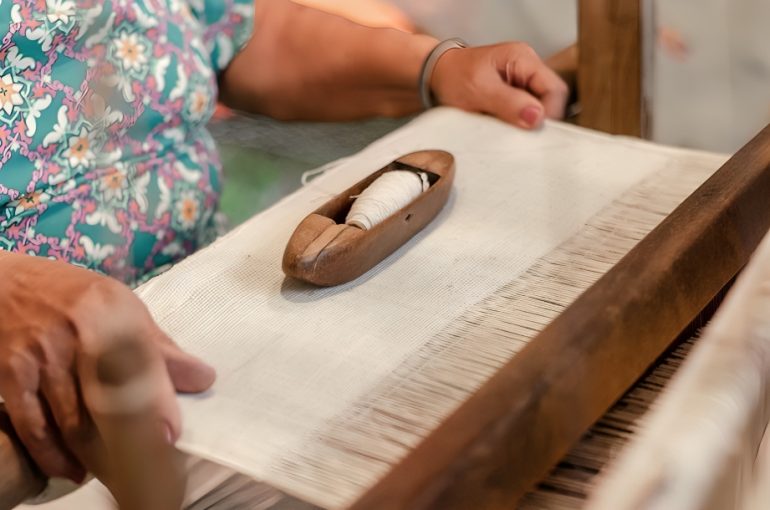

In the quiet patios of Yataity, in Paraguay’s central Department of Guairá, the rhythmic click of the loom and the gentle movement of the needle form the heartbeat of a community. Here, the creation of Ao Po’i, a Guaraní term meaning “fine cloth” or “delicate garment”, is far more than a domestic task. It is a living archive of Paraguayan history, a testament to female ingenuity, and a masterpiece of sustainable fashion that began as a desperate act of survival.
From necessity to national treasure
Iron-fisted isolationism in the nineteenth century shaped the origins of Ao Po’i. During the rule of José Gaspar Rodríguez de Francia, the government tightly sealed Paraguay’s borders to protect the young nation’s independence. With imports gone, people turned inward. Deprived of foreign textiles, women in the Guairá region turned to the small plots of cotton growing in their own backyards.
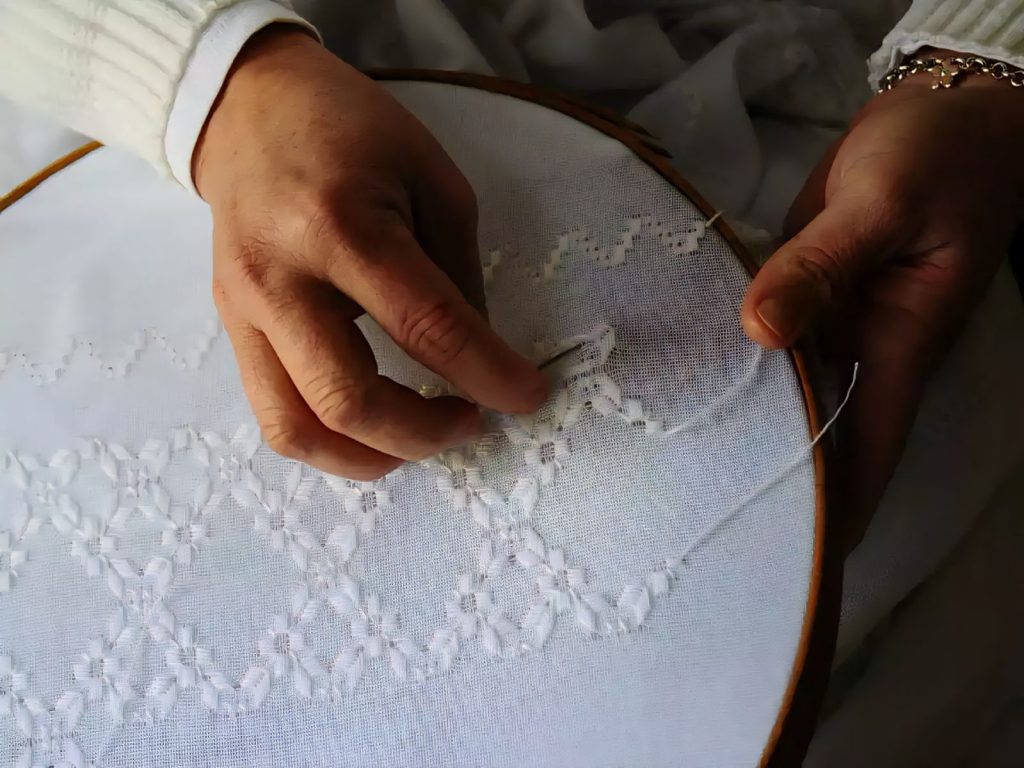
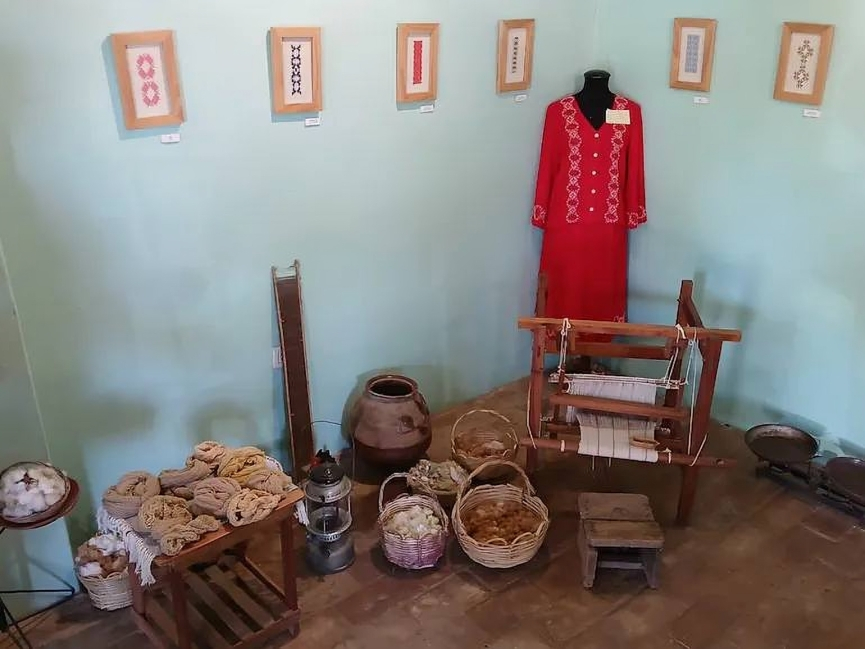
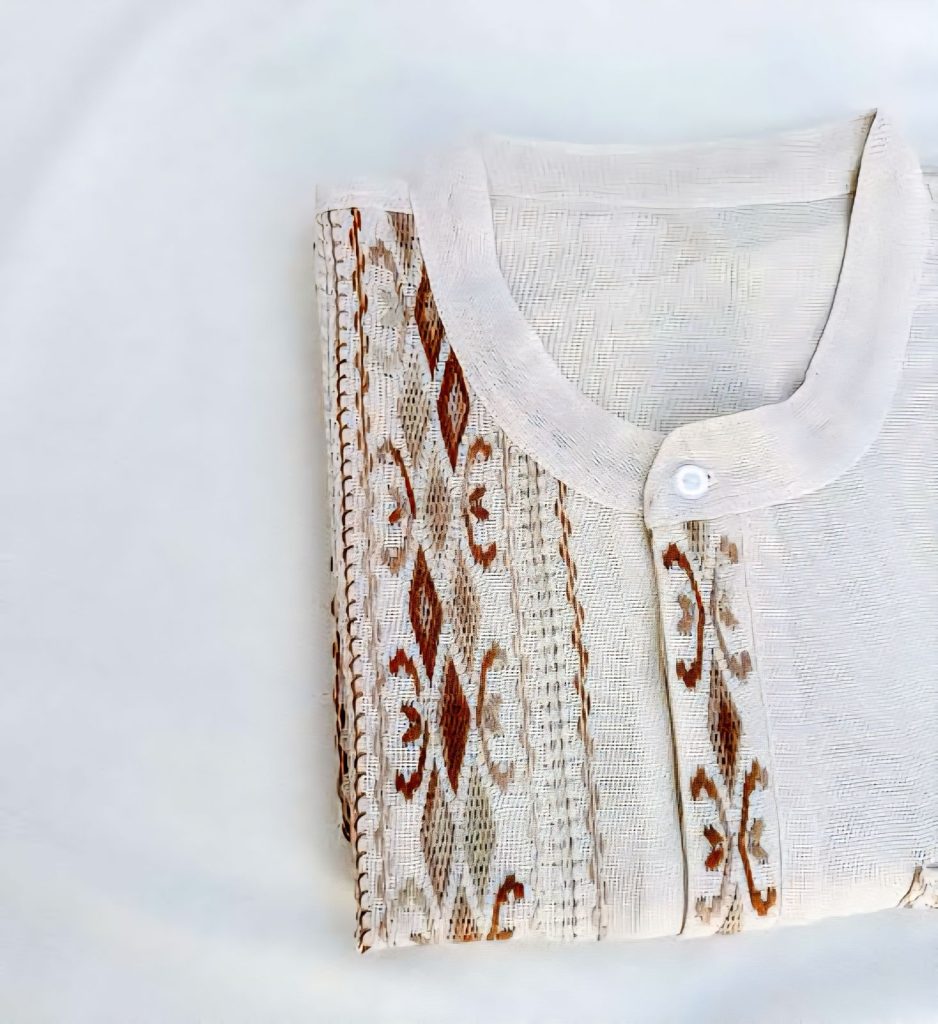
They harvested fibers, hand-spun fine threads, and wove them into sturdy fabric on rustic looms. What began as a plain canvas soon evolved. As the decades passed, women began to embellish these garments with intricate embroidery, drawn-thread work, and lace. This transformation elevated a utilitarian necessity into a refined art form that today represents the very essence of Paraguayan folklore.
A language of thread and nature
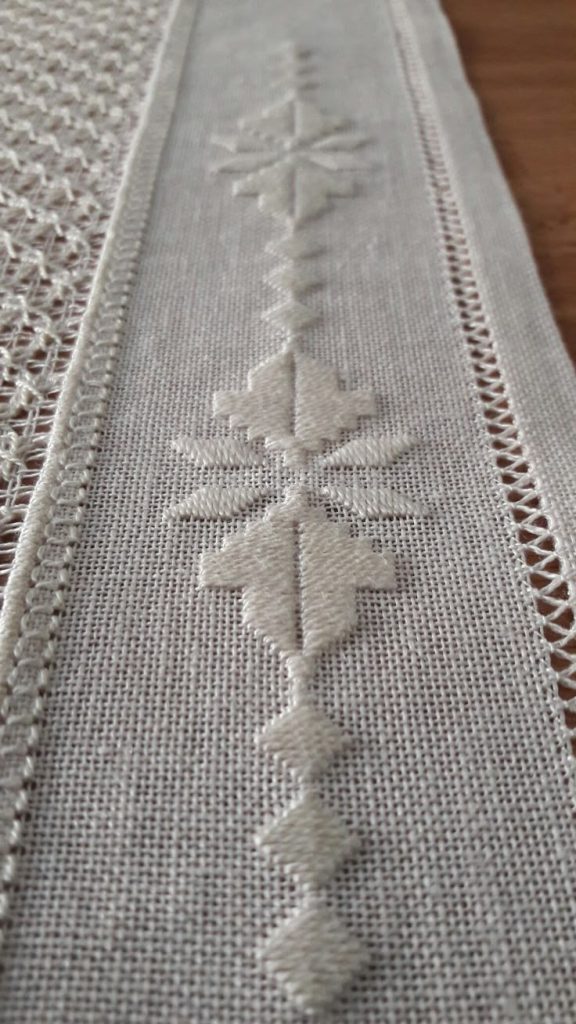
To look closely at a piece of authentic Ao Po’i is to see the landscape of Paraguay rendered in cotton. The embroidery patterns are often inspired by the natural world surrounding the artisans. Designs such as “ysyry” mimic the flowing curves of a river, while “ju’i rupi’a”, inspired by the appearance of frog eggs along stream banks, reflect the rural environment in which these women work.
This is a meticulous, almost mathematical art. Because the fabric is a simple weave with visible fibers, embroiderers must carefully count threads to keep patterns symmetrical. This skill is passed down through generations, with many girls learning to stitch at age six. They often sit in gardens, watching mothers and grandmothers bring white cloth to life.
The human heart of the loom
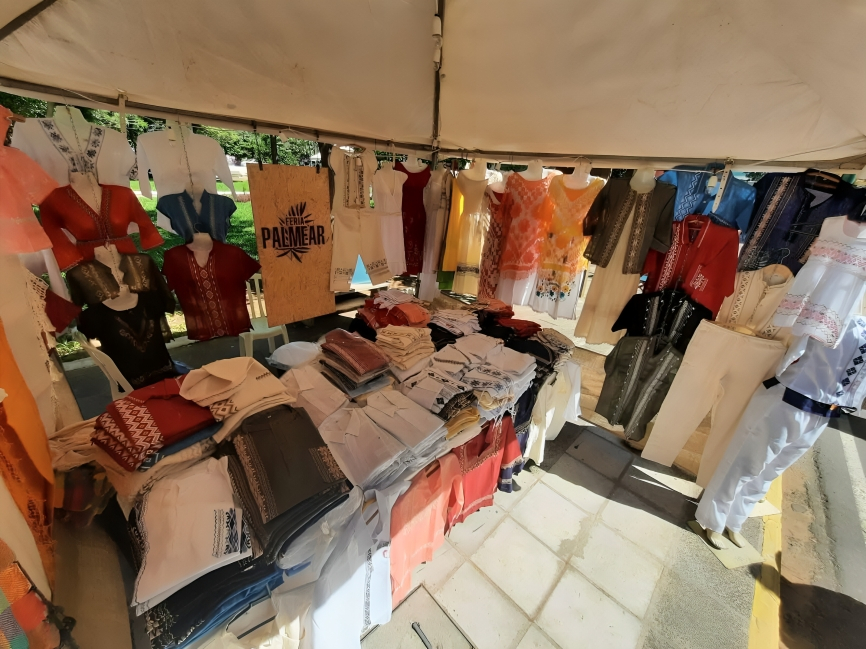
Beyond its aesthetic value, Ao Po’i serves as a form of social cohesion. In towns such as Yataity, Natalicio Talavera, and Mauricio José Troche, the craft is often a communal effort. Artisans form cooperatives to fill large orders, sharing labor and supporting their local economies. For many, particularly single mothers balancing embroidery with farming and childcare, it remains a primary source of income.
However, authentic Ao Po’i faces a modern challenge. While industrial threads are now widely used, a dedicated minority continues to preserve the full ancestral process: planting the cotton, harvesting it, spinning the yarn, and weaving the fabric from scratch. Without active promotion, this centuries-old knowledge risks fading into obscurity.
A modern revival
Recognising its cultural significance, the Paraguayan government has taken steps to safeguard this heritage. New decrees encourage public servants to wear Ao Po’i garments, promoting them as part of the country’s national attire. Its 100% cotton fabric suits South America’s heat, offering comfort and a strong sense of identity.
Today, the fame of Yataity’s “delicate cloth” has crossed the very borders that once gave rise to it. From folk dancers performing the national polka to high-fashion runways in Spain, Italy, and the United States, Ao Po’i endures as a symbol of a people who, when the world closed its doors, chose to weave a new one of their own. It stands as a reminder that the most beautiful things often require time, patience, and history.