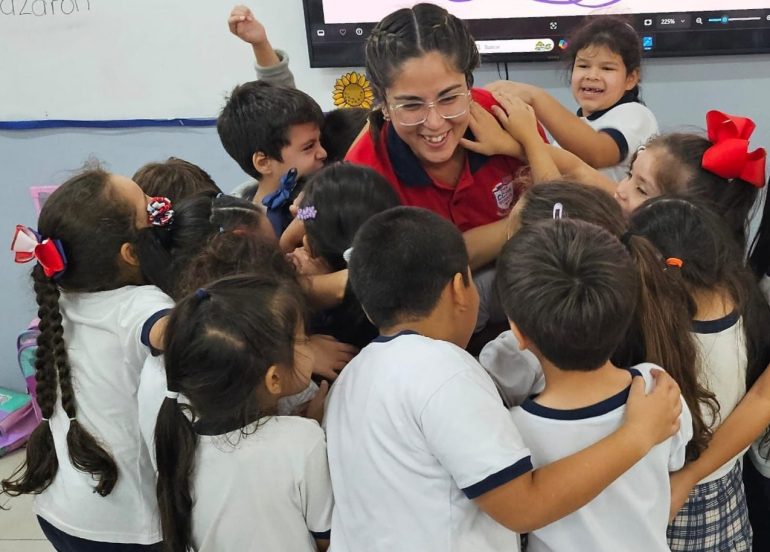

Each year on 30 April, Paraguay honours its teachers, recognising their enduring role in shaping both individuals and the nation. Known locally as Día del Maestro, the date carries deep historical meaning. It is not only a celebration of today’s educators, but also a tribute to a long tradition of teaching that helped rebuild and redefine the country. To understand the importance of Teacher’s Day in Paraguay, it is necessary to look back at the country’s history.
From national crisis to educational vision
Following the devastating War of the Triple Alliance, Paraguay faced the immense challenge of reconstruction. The war had reduced the population drastically and left institutions, including schools, in disarray. In this context, education became a central pillar for recovery. The late 19th and early 20th centuries saw efforts to rebuild the national education system, often with limited resources but strong ideological commitment. Teachers became nation-builders, tasked with fostering literacy, civic values, and a sense of identity in a fragile society.
A defining moment came on 30 April 1915, with the First National Congress of Teachers. This event gathered educators from across the country to discuss pedagogical approaches, institutional challenges, and the future of education in Paraguay. The gathering marked the first organised attempt to professionalise teaching and to recognise educators as key actors in national development. The significance of this congress later led to the official designation of the date as Teacher’s Day.
The architects of Paraguayan education
The development of education in Paraguay cannot be separated from the individuals who shaped it. Among the most influential figures is Ramón Indalecio Cardozo, whose work in the early 20th century transformed pedagogical thinking. Inspired by progressive education movements, he promoted a child-centred approach, encouraging active learning rather than rote memorisation.
Alongside him, sisters Adela Speratti and Celsa Speratti played a crucial role in teacher training and the expansion of educational opportunities, particularly for women. Their efforts contributed to the professionalisation of teaching and helped establish a more inclusive system. Another notable contributor is Andrés Barbero, who supported educational and cultural institutions, recognising that learning extended beyond the classroom and into broader intellectual life. Together, these figures represent a shared vision: education as a transformative force capable of shaping both individuals and society.
A living tradition in classrooms
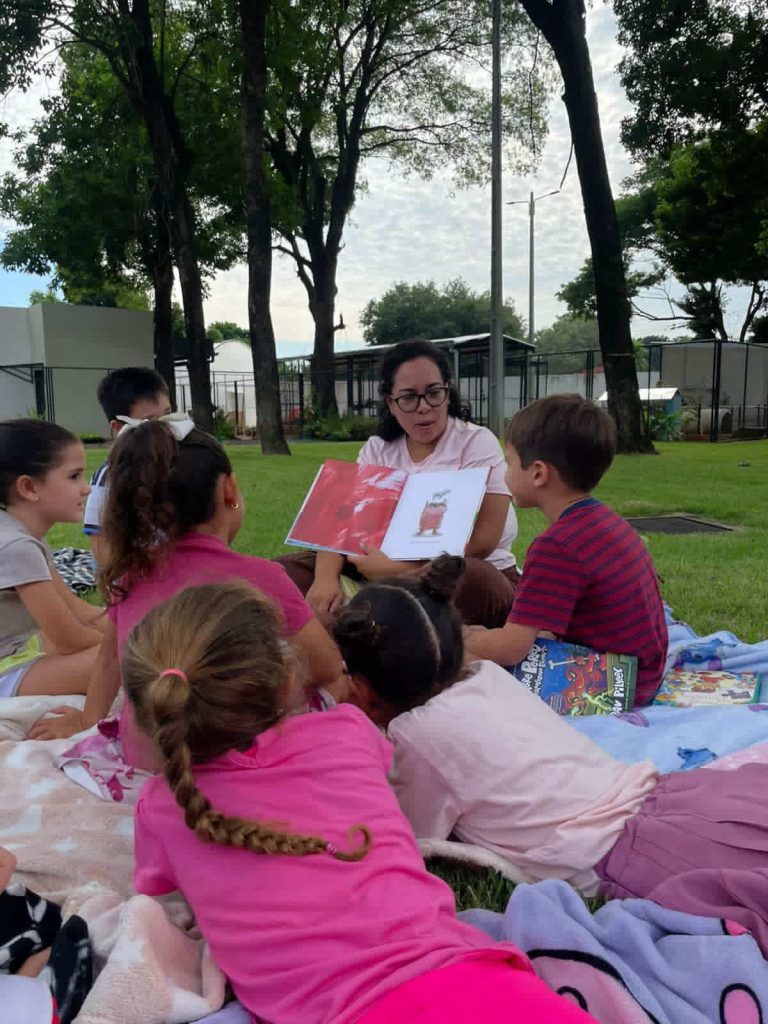
Today, Teacher’s Day is celebrated in schools across Paraguay with a mix of formal ceremonies and heartfelt gestures. Students prepare performances, write messages of gratitude, and present small gifts. Schools organise events that highlight the importance of educators, while communities take the opportunity to publicly acknowledge their contributions. The Ministry of Education and Science (MEC) usually designates the day as a day off for teachers, with no school activities taking place.
Between recognition and challenge
In Paraguay, the role of teachers often extends well beyond the classroom. In rural areas and marginalised urban zones, schools often serve as central community spaces, and teachers become key points of reference not only for students but also for their families.
Limited access to educational materials, technology, and sometimes even basic infrastructure means that teachers must adapt their practices to local realities. In many cases, they provide guidance on issues that go beyond academic content, including health, nutrition, and social support. This is especially visible in multigrade rural schools, where a single teacher may work with students of different ages while also maintaining close contact with parents and guardians.
Teachers also play an important role in sustaining Paraguay’s bilingual context. By working in both Spanish and Guaraní, they help bridge communication gaps between the school system and families, ensuring that education remains accessible and culturally relevant. Despite the celebratory tone of the day, it also invites reflection on the current state of education. Teachers in Paraguay continue to face challenges, including demands for better salaries, improved infrastructure, and greater access to teaching materials. These issues form part of an ongoing national conversation about the value placed on education.
Yet, even in the face of such challenges, the commitment of Paraguayan teachers remains evident. Their work continues to shape future generations, often under demanding conditions but with a strong sense of purpose.
Shaping the future
Teacher’s Day in Paraguay is both a commemoration and a call to action. The day honours the legacy of those who helped build the country’s educational foundations while recognising the vital role of today’s educators. As Paraguay continues to address educational priorities, the role of teachers remains central. The annual observance on 30 April serves as a reminder of their contribution to national development and the continued importance of education in Paraguay’s social and cultural landscape.