
Paraguay’s labour market has shown significant growth in the first three months of the year, with an increase of over 117,000 new jobs compared to the same period in 2025. This development represents a 1.7 percentage point rise in the national employment rate. The latest data, released the day before International Labour Day on 1 May by the National Statistics Institute through its Permanent Household Survey, indicates that a total of 3,204,472 people were in employment, accounting for 68.6% of the economically active population.
This increase in job creation marks a positive start to the year for the nation’s economy. The figures reflect a dynamic shift in the workforce, with more citizens entering various sectors of employment. Consequently, the data suggests a strengthening economic environment capable of absorbing a larger portion of the available labour force, providing a robust foundation for continued financial stability and growth throughout the country.
Growth concentrated in the secondary sector
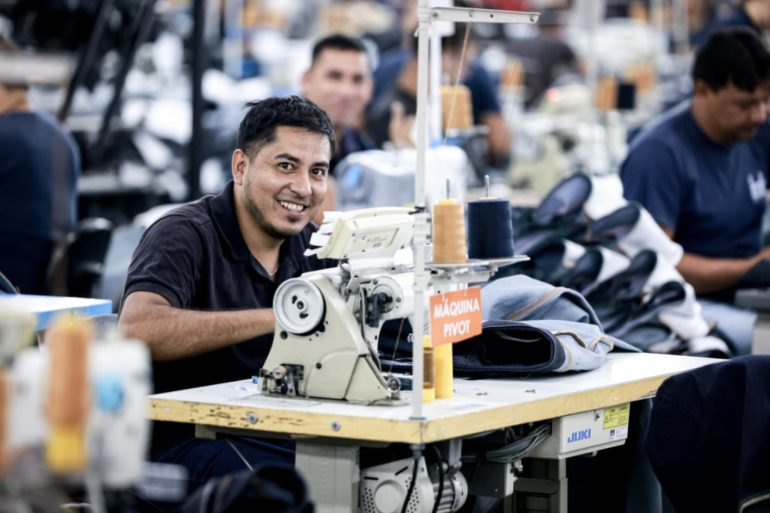
The primary driver behind the increase of 117,234 employed individuals compared to the same period in the previous year was the secondary sector of the economy. This sector, which includes manufacturing and construction, absorbed approximately 76,272 new workers during the first quarter. In particular, manufacturing industries were noted as a key area of expansion, contributing significantly to the overall job growth. This expansion within the industrial base is a crucial indicator of productive capacity and economic diversification.
The robust performance of the secondary sector not only creates direct employment but also stimulates ancillary industries and services. As manufacturing output increases, so does the demand for raw materials, logistics, and maintenance services, creating a positive ripple effect across the economy. This sector-specific growth is therefore central to the country’s broader economic strategy and its long-term development goals.
President highlights rise in female employment
During a Council of Ministers meeting, Paraguayan President Santiago Peña commented on the data, emphasising its significant impact on female employment. He observed that women have seen the most substantial increase in their participation in the workforce. Peña noted that this trend is a particularly important recovery from the economic disruption caused by the recent pandemic, during which women experienced a disproportionate loss of employment opportunities.
“Women had been the ones who had suffered the most during the pandemic, who had lost job opportunities, and over the last two years, they are the ones who have increased their employment the most,” said President Peña.
This recovery in female employment not only promotes gender equality in the workplace but also strengthens household incomes and contributes to a more inclusive and resilient national economy. The government sees this trend as a positive sign of social and economic progress.
Unemployment reaches lowest level since 2017
In addition to the rise in employment, the latest figures show a corresponding decline in the unemployment rate. The rate for the first quarter closed at 5.3%, which is the lowest level recorded for the first quarter of any year since 2017. This milestone indicates a tightening labour market where more individuals seeking work are successfully finding positions. The data provides a clear measure of improving economic health and stability.
According to the survey, the number of individuals classified as unemployed stood at approximately 177,961 people. This figure was almost evenly split between genders, with 88,296 men (49.6%) and 89,665 women (50.4%) registered as unemployed. Compared to the same period last year, the unemployment rate saw a slight but positive decrease of 0.2 percentage points, falling from 5.5%. In absolute terms, this represents a reduction of around 1,426 people in the unemployed category.
Increase in formal employment signals stability
Another key finding from the report was the growth in formal employment, which has now reached a rate of 40%. Significantly, the data reveals that seven out of every ten new jobs created are within the formal sector. This shift towards formalisation is a critical indicator of improving job quality, as formal employment typically includes social security benefits, legal protections, and greater stability for workers. The president highlighted the importance of this trend for the nation’s economic structure.
“Paraguay is not only generating employment, but these occupations are of a formal nature,” Peña stated. This development is crucial for building a more secure economic future for Paraguayan workers and their families, as it moves away from precarious informal labour and towards more stable, protected forms of employment. It also expands the tax base, contributing to public services and infrastructure.
Gaining momentum
The combination of rising employment, falling unemployment, and a strong trend towards formalisation paints a picture of a Paraguayan economy that is gaining momentum and building a more resilient foundation for its citizens. These positive indicators are expected to bolster confidence among both domestic and international investors.