
For many outsiders, Mennonite life in Paraguay’s Chaco appears unchanged: religious, traditional, and community-oriented. In the opening episodes of our Mennonites in Paraguay series, we looked at how they arrived in the Chaco– and how they came to shape it.
Yet nearly a century after their arrival, these communities are quietly evolving. Faith, language, and family life remain at their core – but the ways in which they are lived are shifting as the region grows more connected. Compared to more conservative colonies elsewhere in South America, Mennonite communities in the Chaco are more engaged with the outside world, especially through agriculture, industry, and regional trade.
What has stayed the same – and what is beginning to change?
Faith and church life
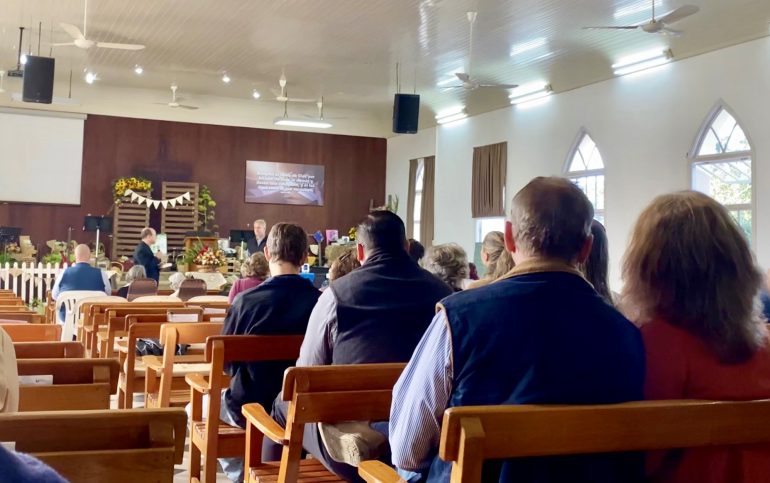
Faith has always shaped Mennonite life in the Chaco. Saying grace before meals, references to God in daily conversation, and strong biblical values remain part of everyday life. This central role of faith dates back to the 1920s and 1930s. Settlers established churches among their first institutions, alongside schools, clinics, and cooperatives.
Nearly a century later, services are held in German and Spanish, and indigenous neighbours increasingly participate.
Adapting to modern life
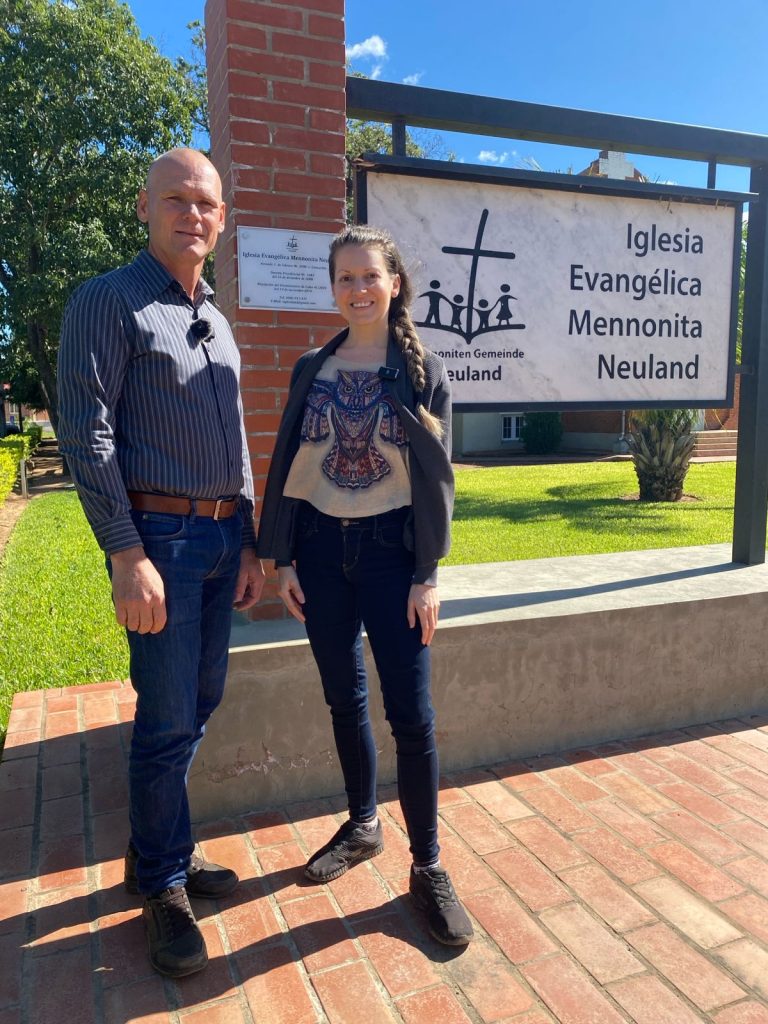
Families gather at church, and children attend the first part before leaving for programs like Royal Rangers, a Christian scouting program focused on outdoor skills, teamwork and faith.
Pastor Manfred Gruenwald emphasises the importance of youth. “A church only grows when children are part of it.”
Technology has also found its place. Churches stream sermons online and actively welcome newcomers. While many churches elsewhere face declining attendance, participation in the Chaco remains stable.
Schooling
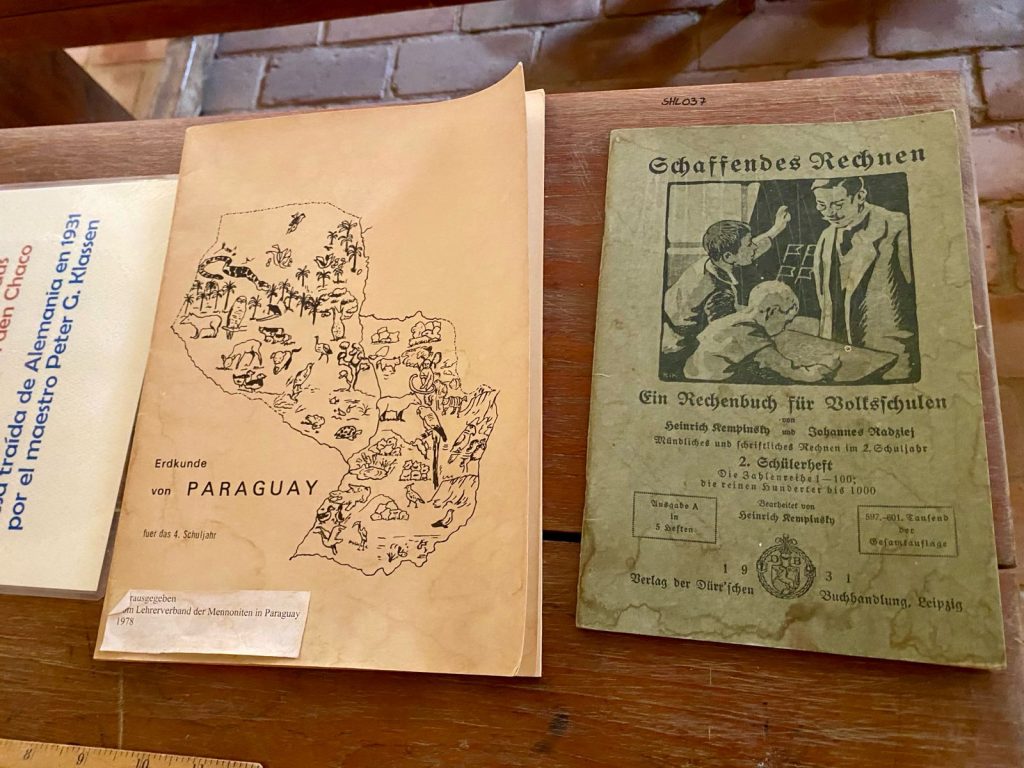
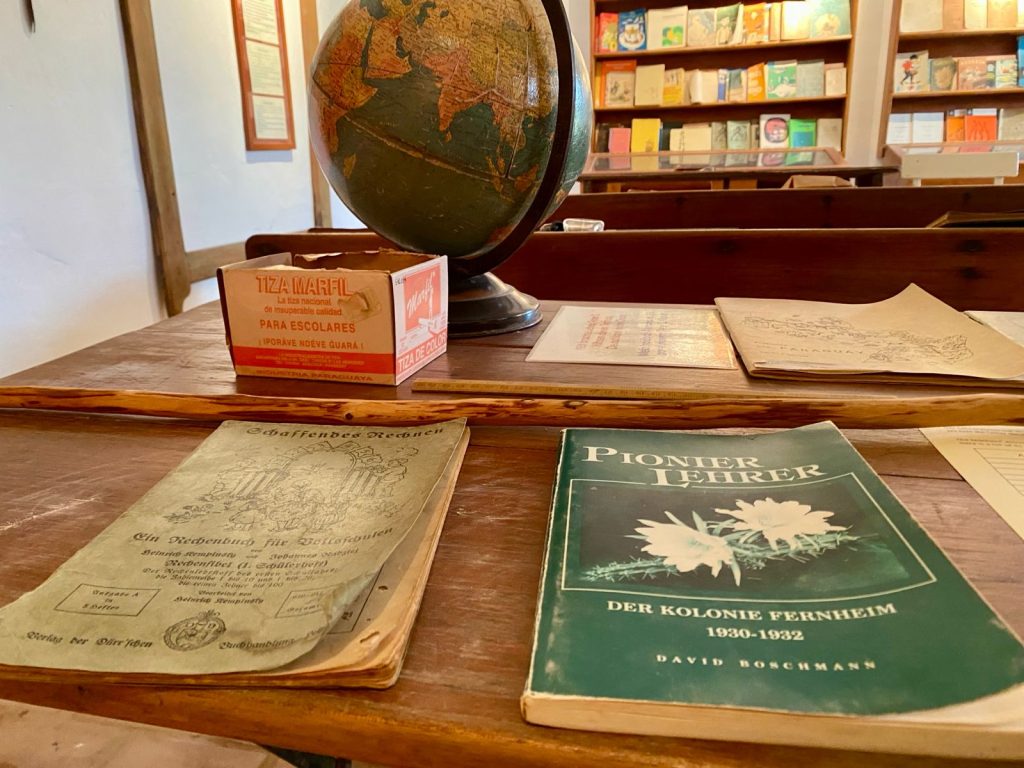
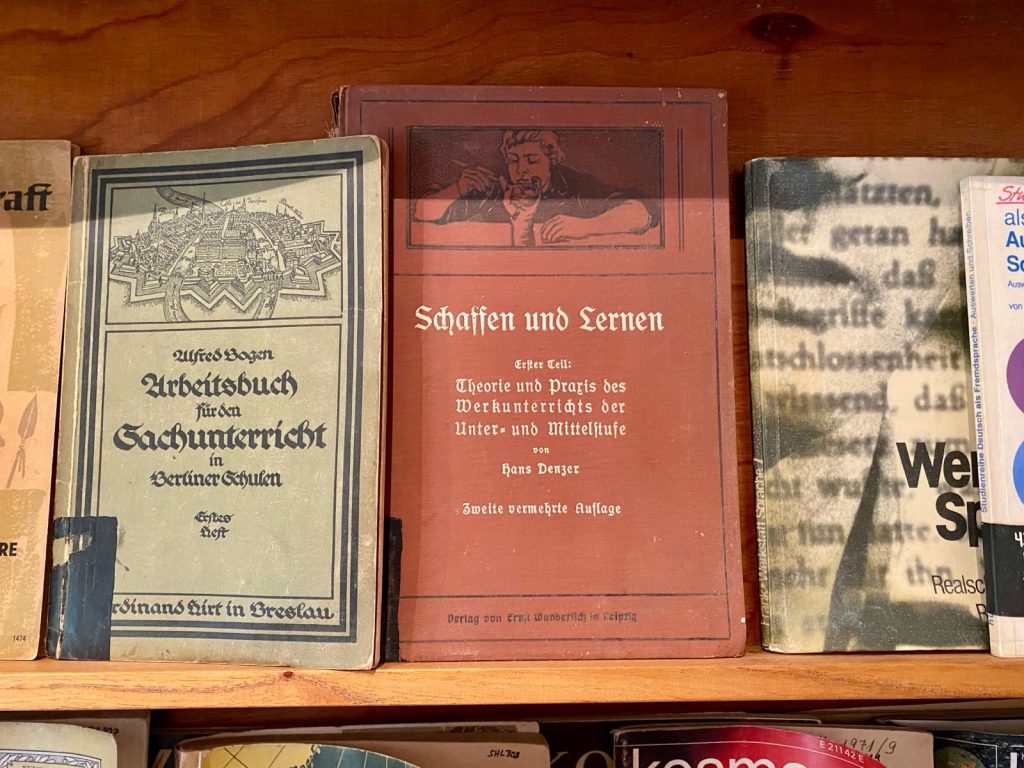
In the past, Mennonites sought to preserve German-language education, which even influenced their migration decisions when governments restricted their schools.
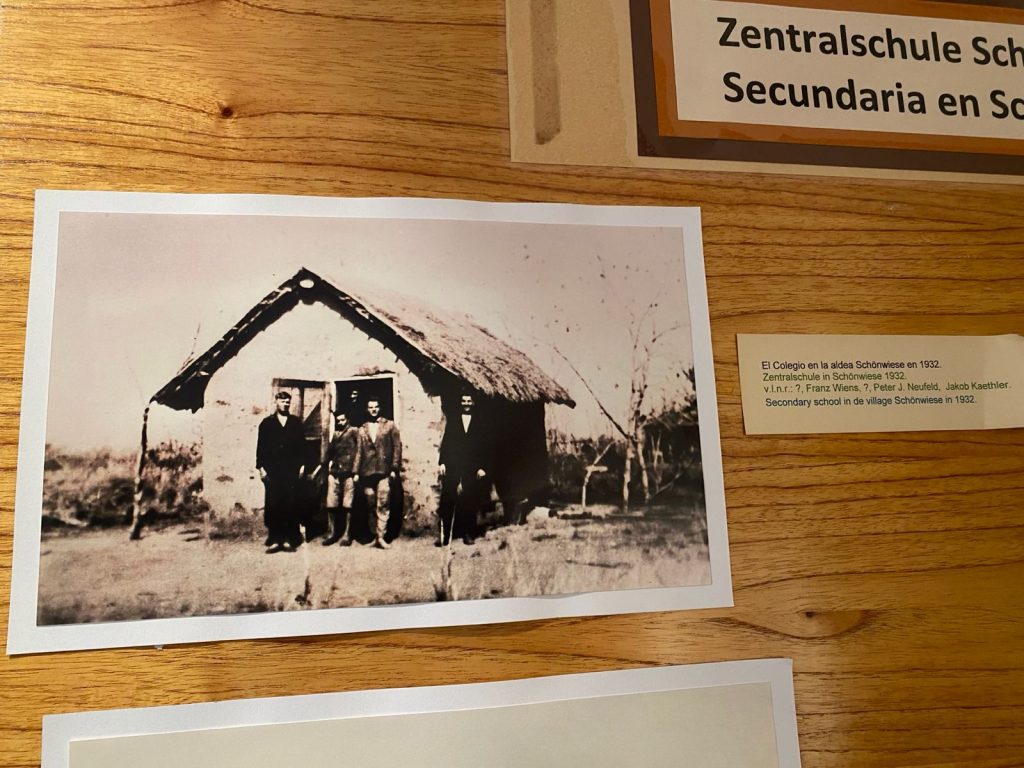
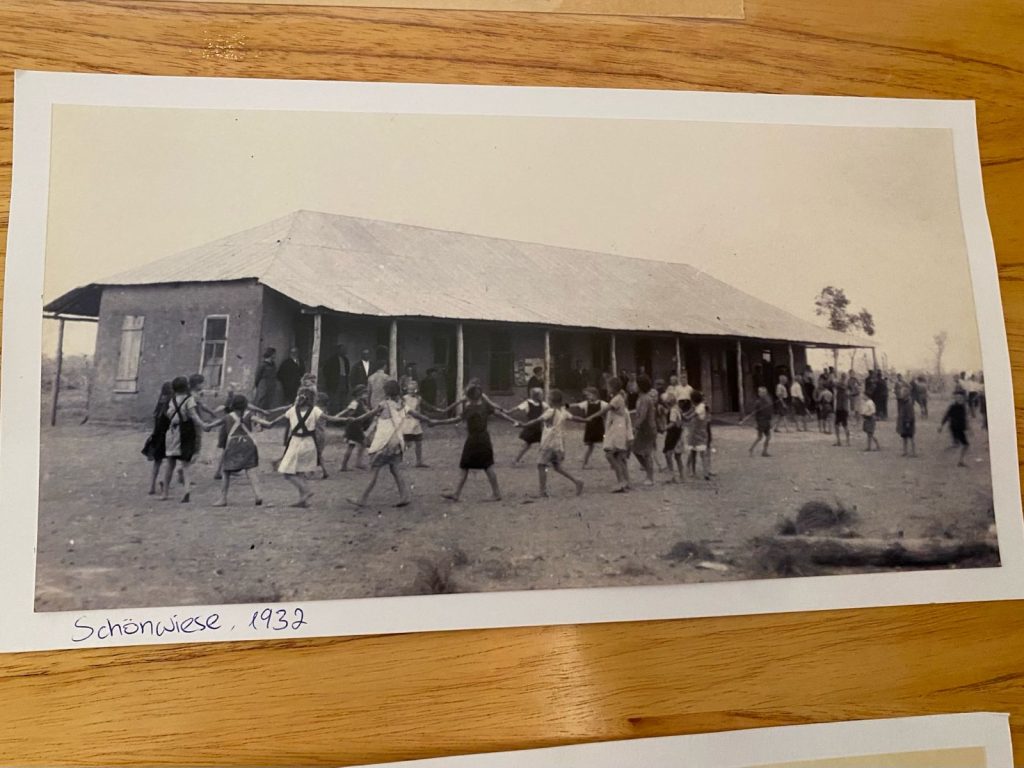
First settlers in the Chaco built simple schools from clay with thatched roofs and very limited resources.
Villages organised education locally, with most having their own teacher.
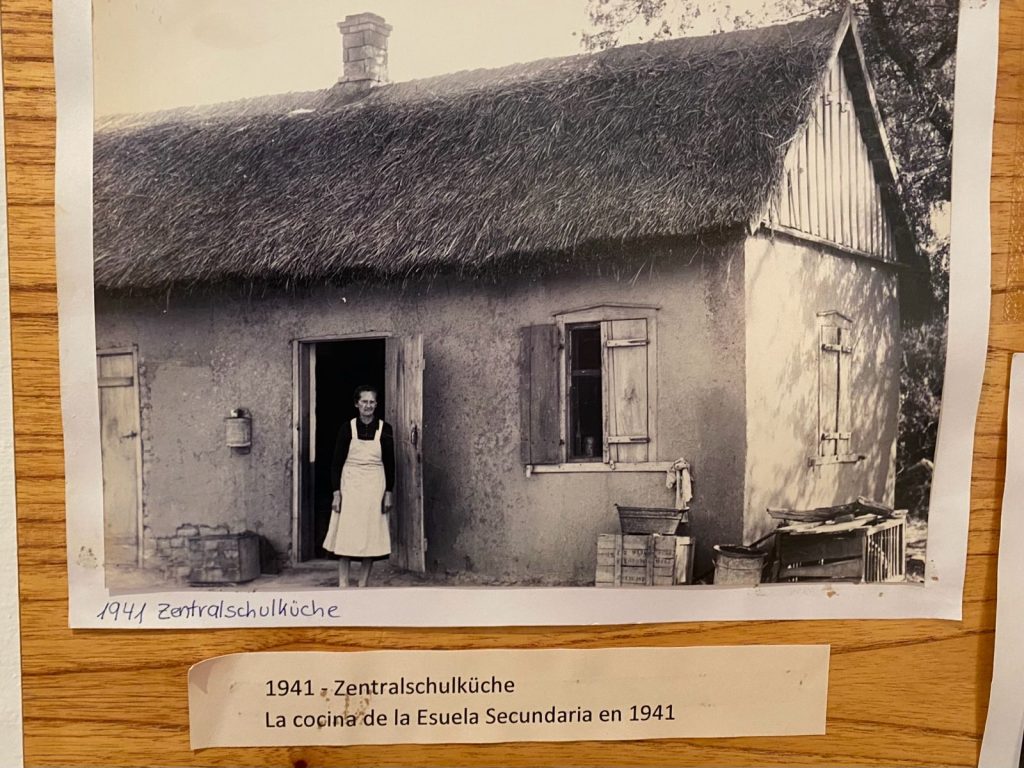
Education in a changing context
Today, German remains a primary language of instruction, while Spanish, English, and Guaraní are also part of the curriculum. Spanish becomes more important with each grade, and by graduation students are expected to speak it fluently.
Most schools are organised through cooperatives and community structures, receiving little or no direct state support. At the same time, they follow Paraguay’s national curriculum while retaining some flexibility in how they implement it.
Colonies such as Fernheim, Menno, and Neuland, as well as the Concordia School in Asunción, coordinate a shared curriculum, helping maintain consistency across Mennonite education systems.
The overall standard of education is strong, and schools equip students with solid academic and multilingual skills. As a result, graduates pursue careers both within the colonies and beyond, with some continuing their studies abroad, particularly in Germany.
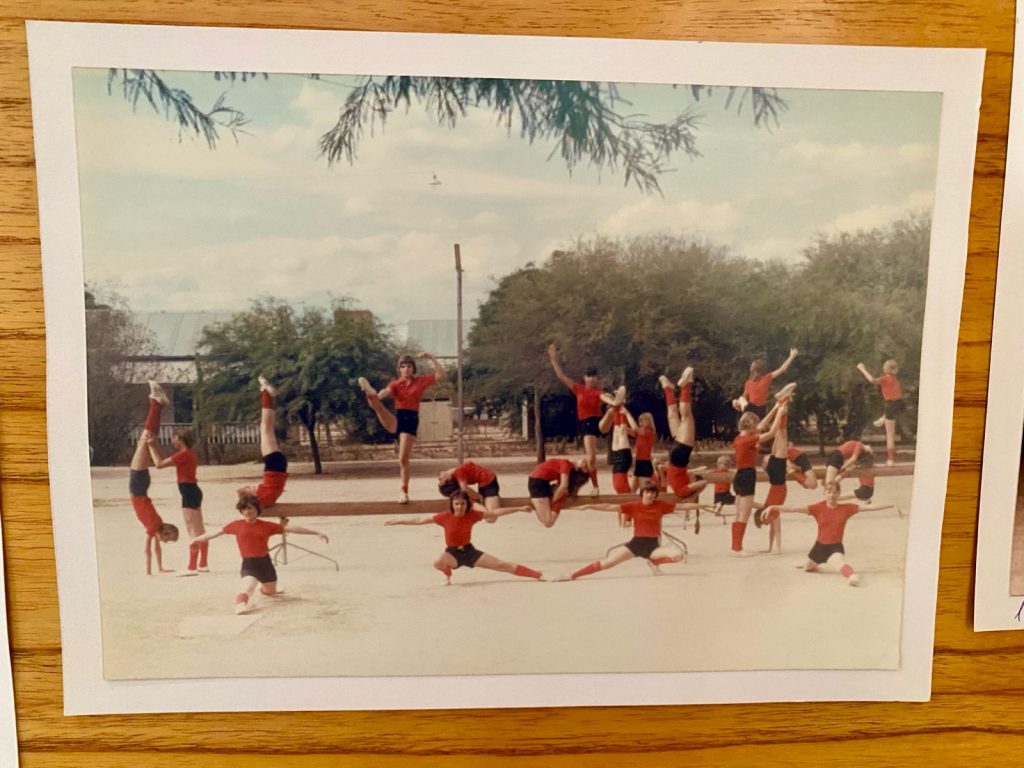
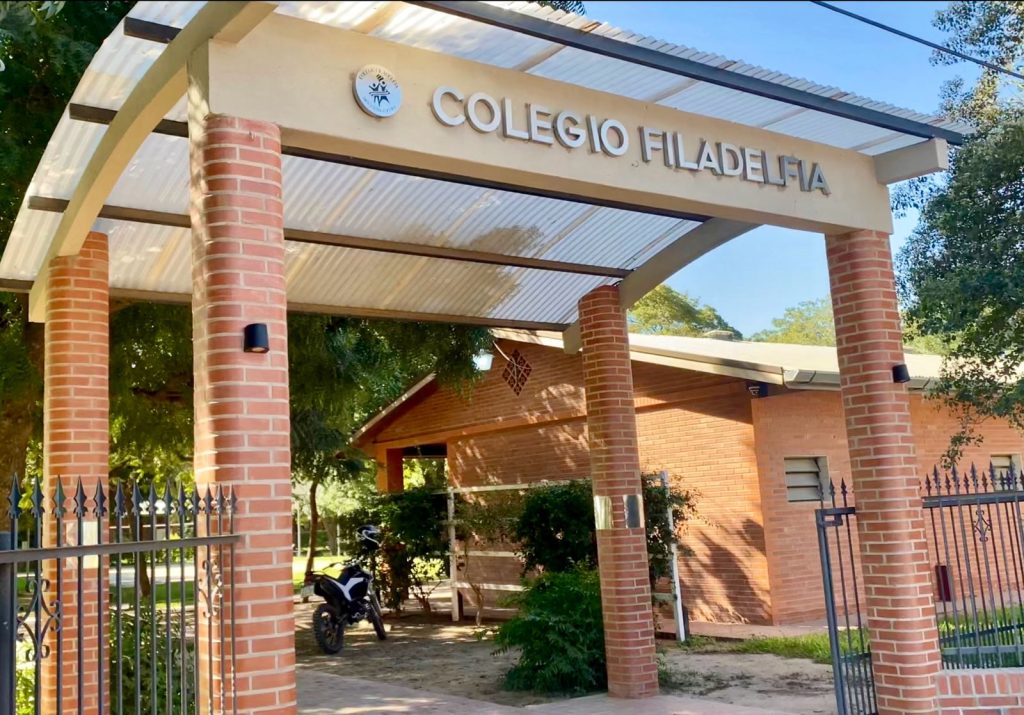
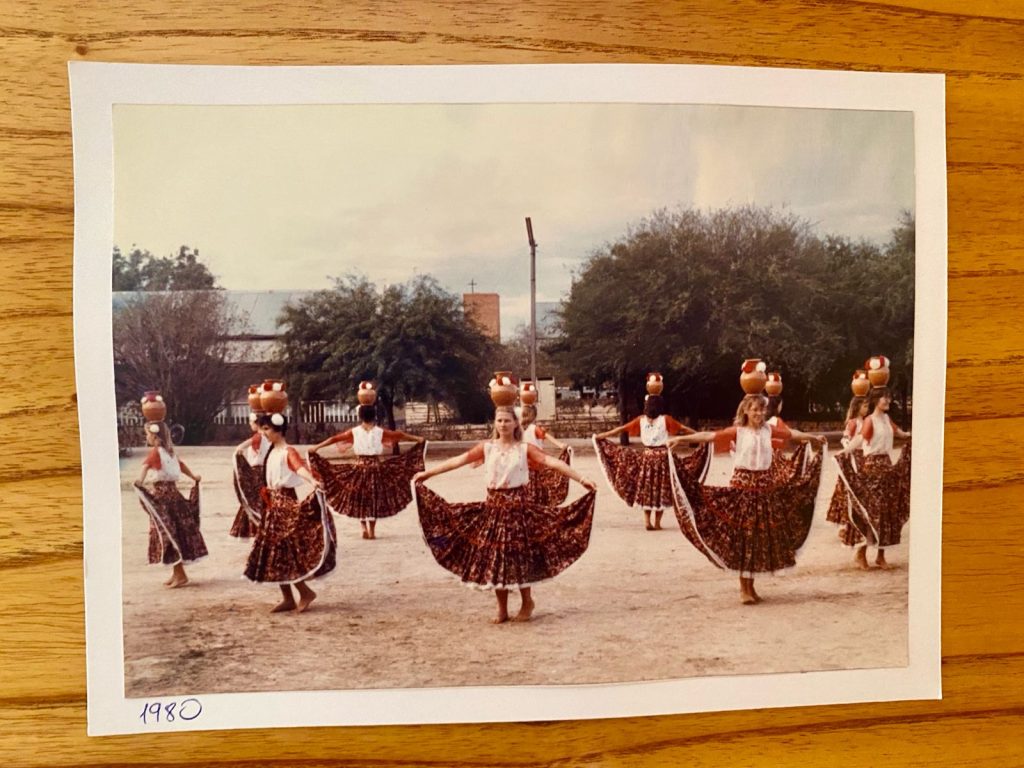
Language use
Historically, Plautdietsch (Plattdeutsch), also known as Mennonite Low German, was the everyday language of Mennonite communities. Within the Chaco, the three main colonies developed slightly different variations of the language, reflecting their distinct histories and migration paths from Russia and Canada.
In more conservative colonies in countries such as Bolivia, Plautdietsch remains essential for daily life. In the Paraguayan Chaco, however, this is gradually changing.
Older generations continue to speak Plautdietsch fluently, often using it amongst themselves. Younger Mennonites, by contrast, increasingly grow up with Standard German and Spanish as their dominant languages. Many still understand Plautdietsch but no longer speak it actively.
Transforming language in a more connected Chaco
This shift is linked to the transformation of the region. The Chaco is no longer as isolated as it once was. The construction of the Ruta Transchaco marked a turning point, opening the region to travel, trade, and outside influence.
At the same time, linguistic flexibility has increased. Mennonites switch easily to Standard German when interacting with visitors, while Spanish has become universal, reflecting stronger integration into Paraguayan society.
Social changes such as marriages between different Mennonite colonies, once discouraged, are now common. Relationships with non-Mennonite Paraguayans and foreigners are also becoming more frequent. In these families, Spanish often becomes the primary language of the next generation.
Gender roles
Gender roles in the Chaco remain shaped by long-standing values, particularly around family life. Raising children continues to hold central importance, and many women place strong emphasis on early childhood education within the home.
While family sizes have generally decreased compared to earlier generations, the role of mothers during these formative years remains significant. In households where economic conditions allow, some women choose to stay at home while their children are young.
Gradual shifts in everyday roles
At the same time, it is increasingly common for women to pursue education and employment, especially in fields such as teaching, healthcare, and administration. Schools, in particular, are often staffed largely by women.

Leadership in business and large-scale economic activity, however, remains predominantly male. Elements of traditional division of labor are still visible in everyday life: during community events, women often organise food and caregiving, while men take on more physically demanding tasks.
These roles are not strictly enforced, but they reflect a community that evolves carefully while holding on to its traditions.
Between tradition and transformation
As the Chaco becomes more connected, Mennonite communities are evolving alongside it. Faith, education, and community responsibility have defined Mennonite identity since the first settlers. At the same time, language, social structures, and everyday life are gradually changing.
With new transport routes and stronger regional connections, change in the Chaco is accelerating. Younger generations, in particular, are growing up with new opportunities and perspectives.
For Mennonite communities, the challenge is not whether change will come, but how to respond to it while preserving and passing on their core values.
The final article in this series explores one example of this balance in practice: a visit to the equine-assisted therapy center “La Visión” in Neuland, where tradition and modern care come together.