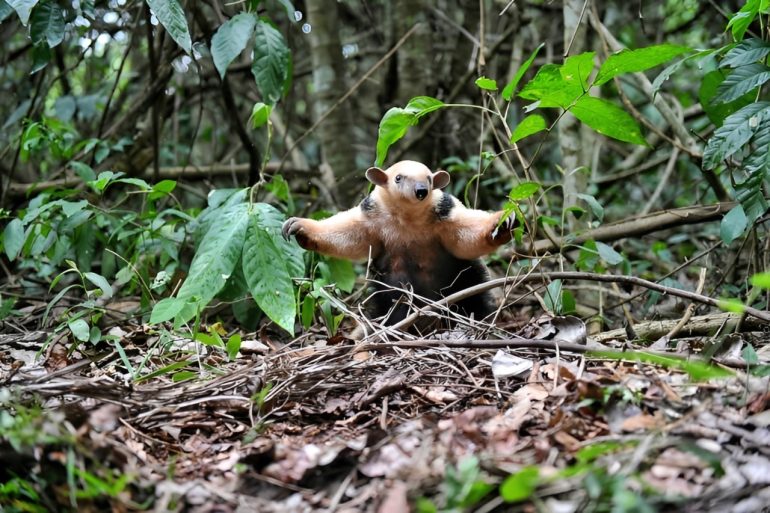

Paraguay’s natural protected areas are home to numerous animals, such as the Capybara and Taguá, and hold significant ecological value across various ecosystems and regions nationwide. To address unawareness of their existence, the Ministry of Environment and Sustainable Development (MADES) and World Wildlife Fund (WWF) recently launched a national awareness campaign.
Bringing protected nature into public awareness
“Welcome. Discover our protected wilderness areas” is the chosen name for this national awareness campaign. The new proposition aims to help citizens understand the importance of these territories and their role in quality of life and biodiversity. It has the ambitious goal of strengthening public knowledge and appreciation of protected wild areas. These areas are recognised as vital for protecting ecosystems and preserving the nation’s natural heritage.
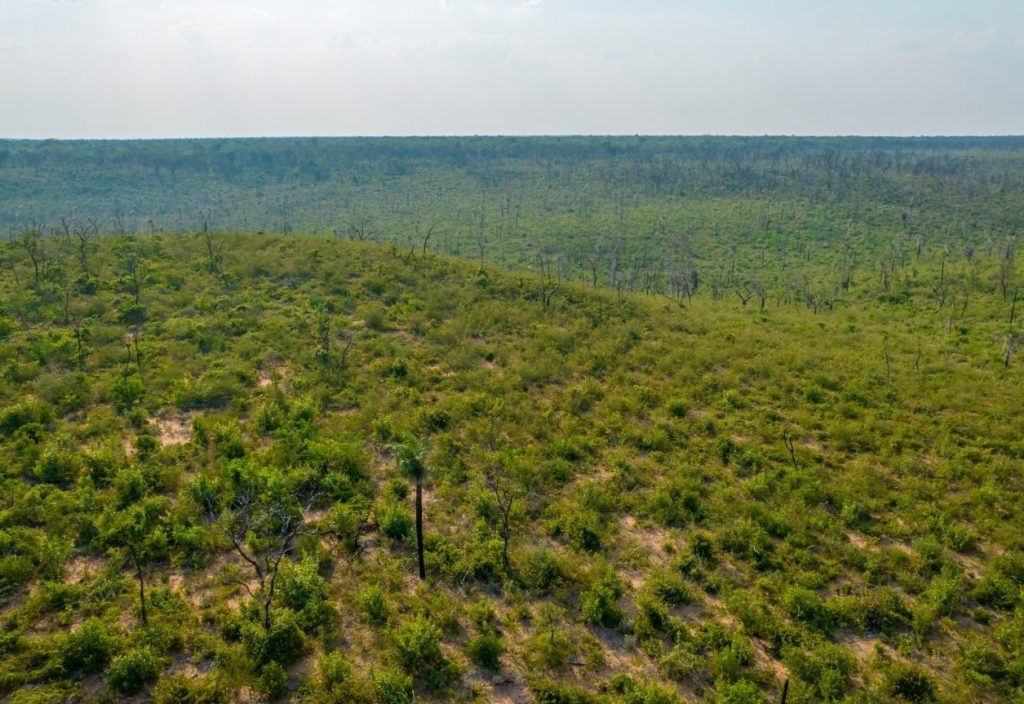
These include notable areas such as Defensores del Chaco National Park, one of the largest in the country. Another key site is the Mbaracayú Forest Nature Reserve, celebrated for its rich ecosystems and its importance in safeguarding endangered species. Extending across diverse natural landscapes, these areas support a wide variety of plant and animal life, many of which are under threat. They also contribute to the protection of water sources, climate resilience, and the long-term well-being of both nature and people.
The cultural and ecological importance of protected areas
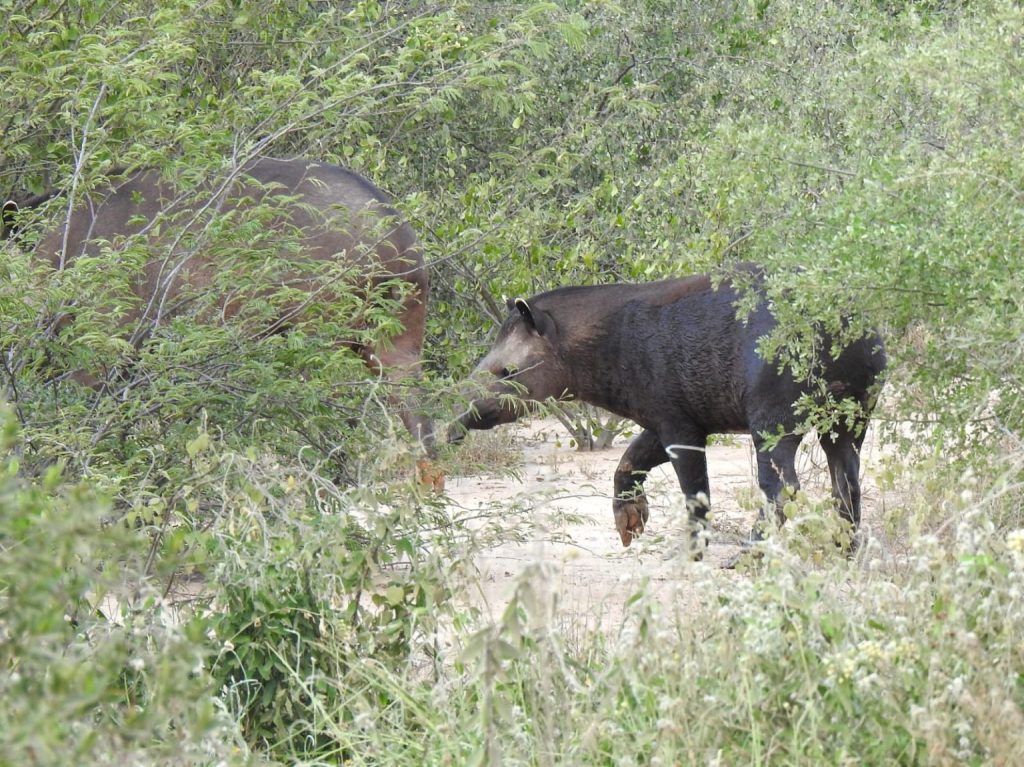
These territories hold high cultural and ecological value for the country. They play a major role in conserving biodiversity and regulating climate. They also help protect water sources and preserve ecosystems. These spaces are home to emblematic Paraguayan species such as the jaguar and the bellbird, while also preserving important historical and cultural values.
According to data collected from a previous study carried out by MADES and WWF, awareness of these areas stands at 74% among the population. But only a minority comprehends their role and influence on everyday life, pointing to the need to enhance environmental education.
In the present day, Paraguay has 60 protected public areas, all of them distributed across different regions of the country, including forests, savannas, wetlands, and dry zones, that take part in its natural heritage. This conservation is safeguarded by law and represents a shared responsibility. This initiative belongs to a broader process involving the implementation of a unified visual for these areas and improvements on infrastructure, particularly in the Chaco region.
Knowledge as the first step towards conservation
Under the slogan “to know is the first step to valuing, and valuing is the first step to protecting,” the campaign seeks to connect citizens more closely with these territories. It advocates for their care and long-term preservation. In addition to their natural value, these areas support local communities through essential natural resources and sustainable tourism opportunities. They also strengthen local economies, promote cultural exchange, and encourage sustainable ways of living in harmony with nature.
With the support of the European Union via its Global Gateway strategy alongside the German development bank, these actions form part of wider efforts to improve environmental management and ensure long term benefits for people and the natural world. Against a backdrop of increasing environmental challenges, such initiatives aim to inform the public and encourage a change in the way society interacts with its natural surroundings.
To know more, read The Asunción Times article on Paraguay’s Wild Side.