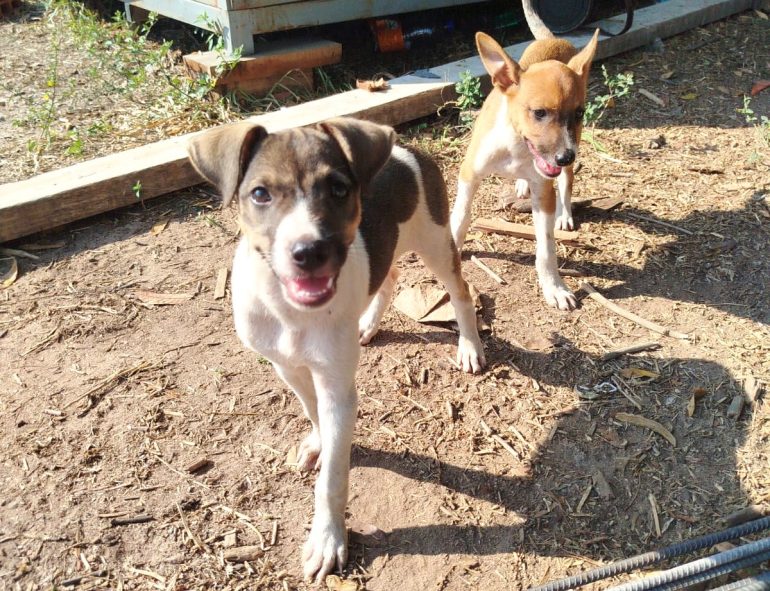

Most rescue groups in the country operate almost entirely voluntarily and rely on donations, community support, and responsible decisions from the public. For many animals, these volunteers are the only line of defence against neglect, abandonment, and abuse, making their efforts essential for animal rescue in Paraguay.
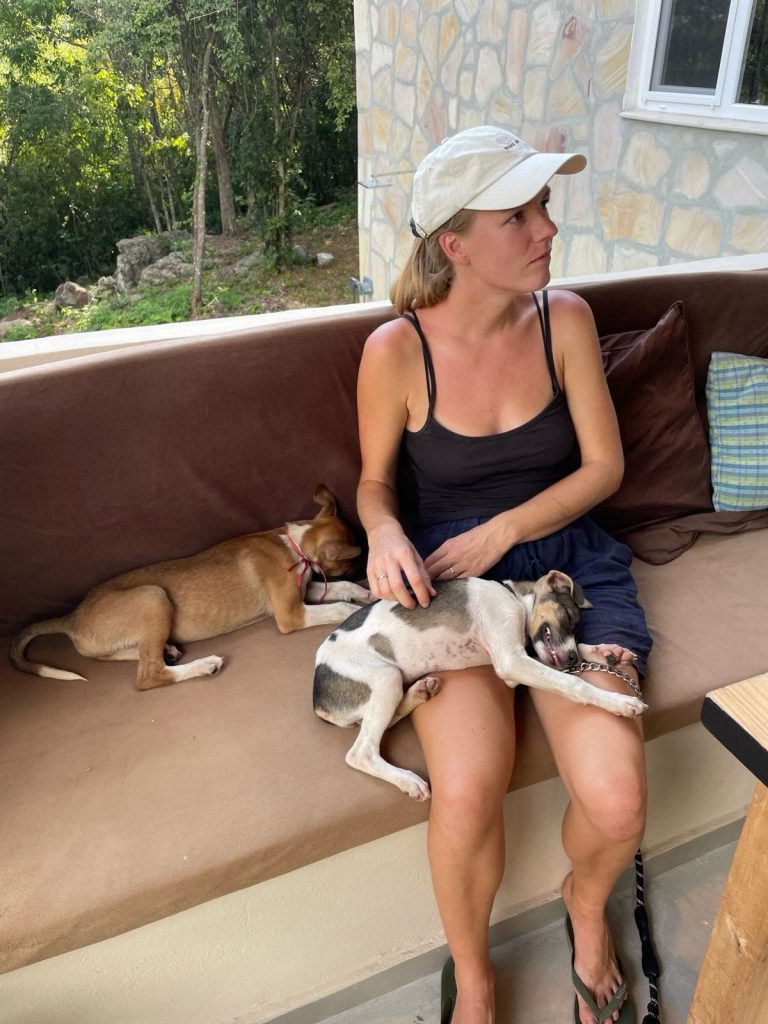
In the region around San Bernardino and Caacupé, a small group of dedicated volunteers has been rescuing, treating, and rehoming street dogs for several years. Many animals have already found loving homes. However, adoption rates have slowed while the number of animals in need continues to rise, leaving volunteers in a difficult position.
According to volunteer Caroline Busse, the lack of space often forces hard decisions. “When a dog urgently needs medical treatment or surgery, we sometimes cannot step in because there is simply no safe place for the animal to recover,” she explains to The Asunción Times. “Without enough foster homes or successful adoptions, we are forced to turn away animals that desperately need help.”
Simple adoption process and shelter visits
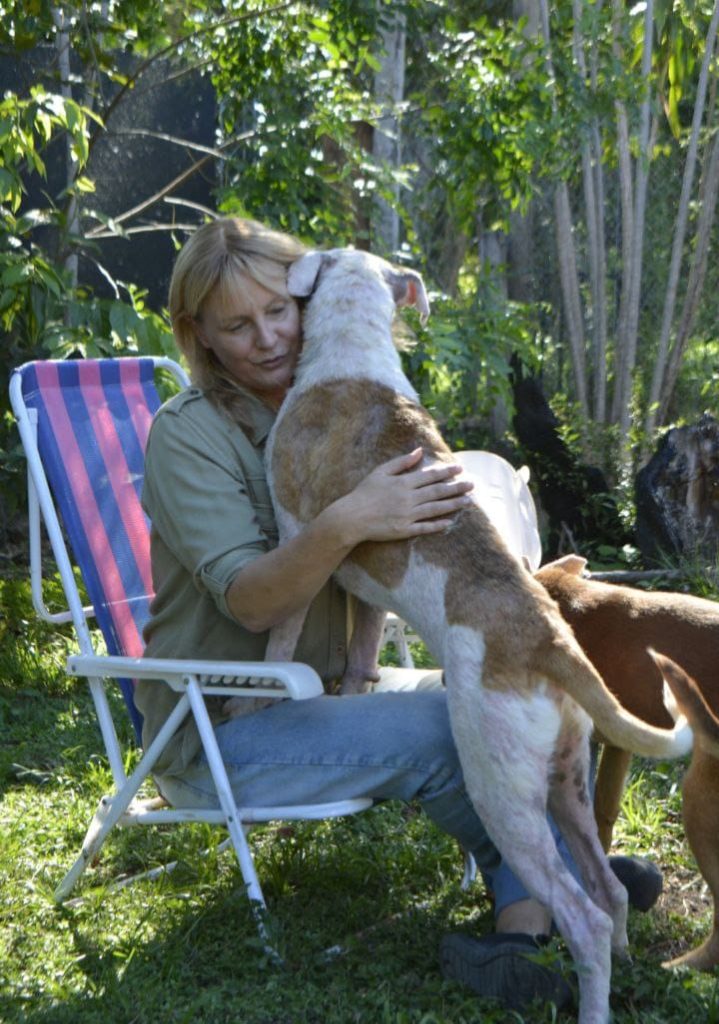
Busse emphasises that the adoption process is intentionally straightforward. Two shelters are open to the public, and many animals are temporarily cared for in foster homes while waiting for permanent families. Potential adopters are required to have a fenced garden to ensure dogs cannot escape. Puppies and kittens must also be sterilised to prevent future overpopulation and suffering. Home inspections are not required, and the adoption fee is ₲100,000 (approximately US$15), which covers part of the veterinary costs.
“The cost of rescuing a dog averages around ₲1,200,000 (approximately US$185, including blood tests, treatments, medications, and sterilisation. More serious medical cases, like fractures or infections, can increase costs significantly.”
Rescue stories show the impact of adoption
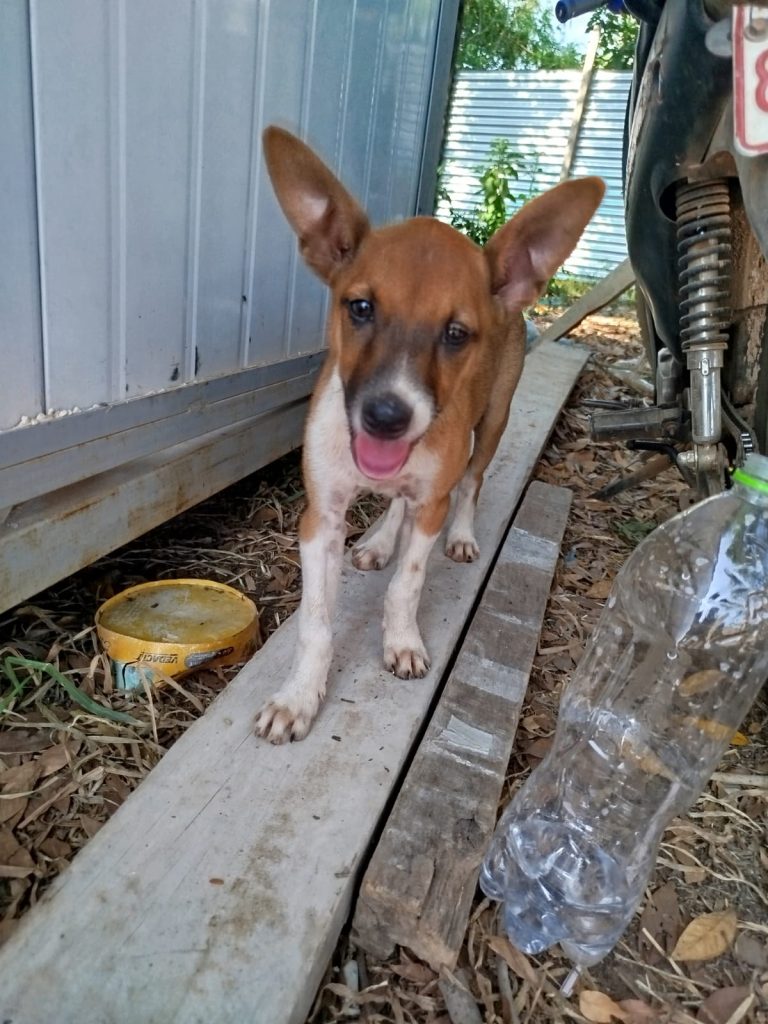
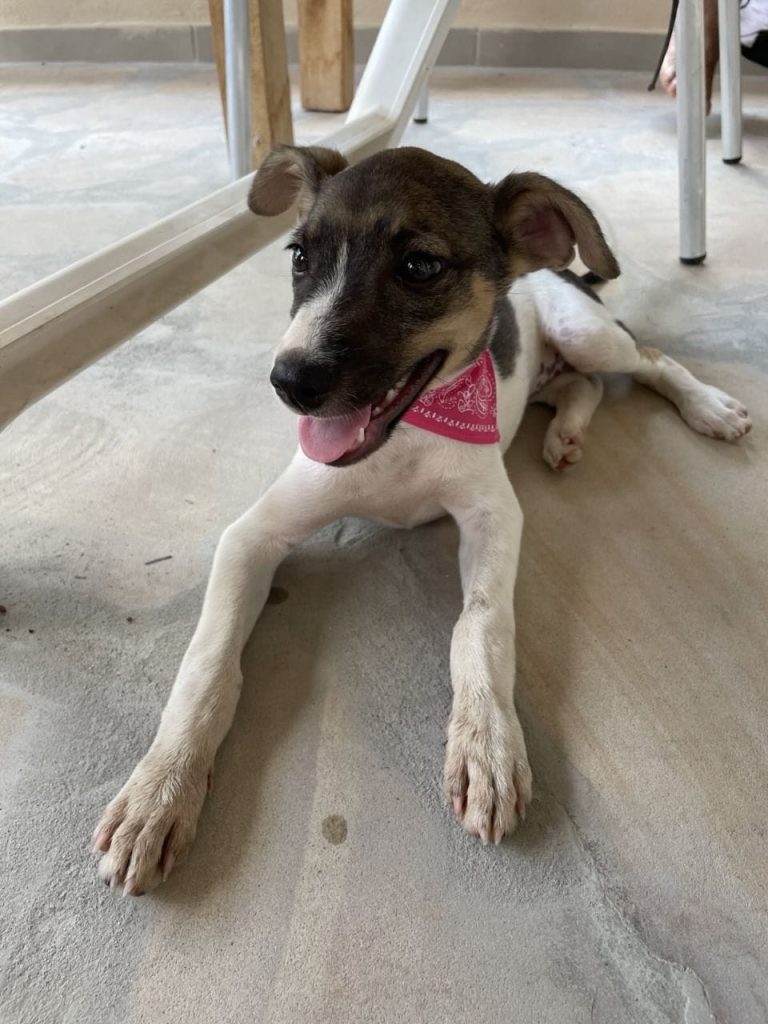
Rescue work often produces heartwarming success stories. Busse recently rescued two three-month-old puppies abandoned at a construction site. “One now lives in Nueva Colombia with a woman who already has a dog and a cat. The other found a home in Areguá with a couple who also had a dog. Both new owners are German residents living in Paraguay.”
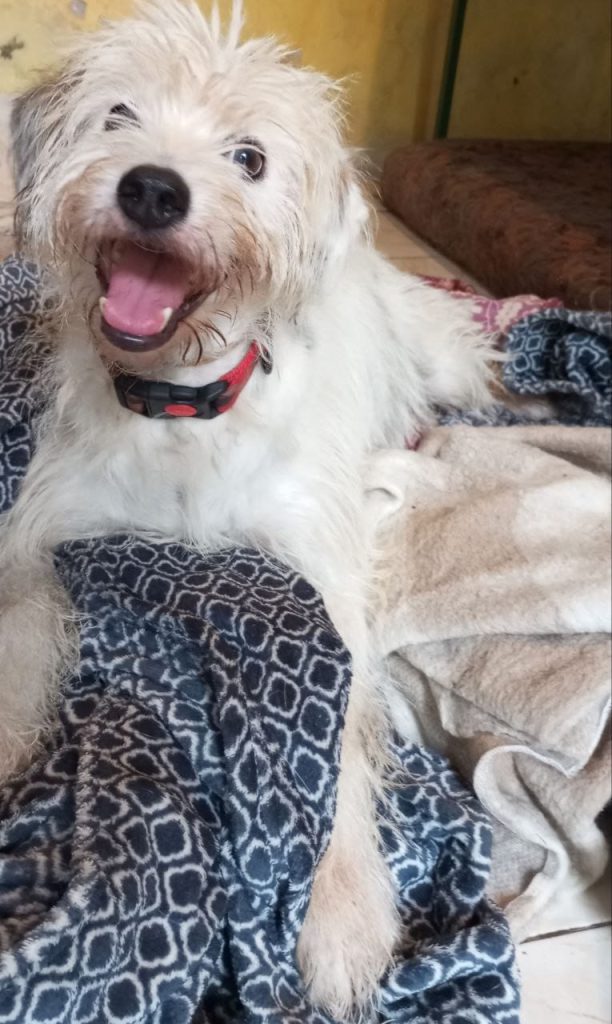
Another example is a small poodle mix rescued from extreme street conditions. The dog now lives happily with a resident in San Bernardino, enjoying regular walks, proper nutrition, and a safe home. These stories show that adoption transforms lives, not only for the animals but for the families who welcome them.
Common myths about animal rescue in Paraguay
“Rescued dogs are traumatised.”
Most dogs live in the present moment. Once they have a loving and stable home, they quickly blossom. Many show no signs of their difficult past.
“Mixed-breed or rescued dogs are bad guard dogs.”
Dogs naturally protect their home and family, regardless of their breed or origin.
“Adult dogs cannot be trained.”
Most adult dogs only need a short adjustment period. Once they understand that they have found their home, they usually integrate into the family very quickly.
How can I help?
There are several ways people can make a difference. Donations are critical for veterinary care, food, medication, sterilisation procedures, and transportation. Sterilisation, in particular, is vital to prevent overpopulation, disease, road accidents, and tumour-related illnesses.
Volunteering is another option. Community members can help by transporting animals, providing foster homes, assisting at shelters, or offering practical support during events and campaigns. Adoption remains the most effective way of animal rescue in Paraguay. Dogs of all ages are waiting for homes, from energetic puppies to calm senior companions, from tiny lap dogs to large, loyal friends.
Busse also warns against buying purebred dogs or wild animals. Commercial breeders often prioritise profit over welfare, while the illegal wildlife trade leads to suffering for animals such as monkeys and parrots. For anyone who truly wants to help, adoption from legitimate rescues is the best option.
Contact: WhatsApp at 0985 728 219.
Donations:
Alias: Paola Neubert 0985728219
Bank: Banco Continental