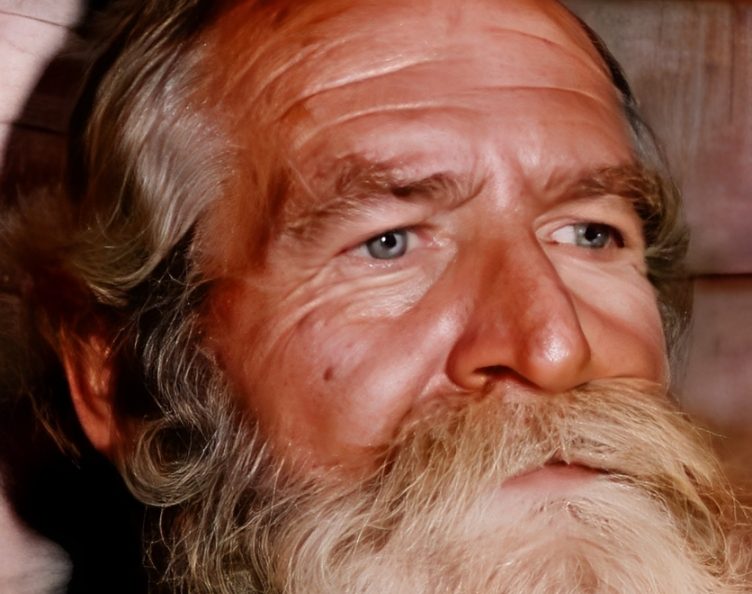

Far from the sea and surrounded by wetlands, rice fields and rural roads, a Greek adventurer named Stefano Vassiliadis attempted something few would consider possible. His goal was to build a vessel capable of crossing the Atlantic from Paraguay.
His story is documented and still remembered across the department of Misiones as one of the most unusual real-life episodes in Paraguay’s modern history. Stefano Vassiliadis was an adventurer, mechanic, former naval serviceman and tireless inventor who spent the final decades of his life in southern Paraguay. The adventurer pursued a singular ambition: to return to Greece by sea aboard a vessel he built himself.
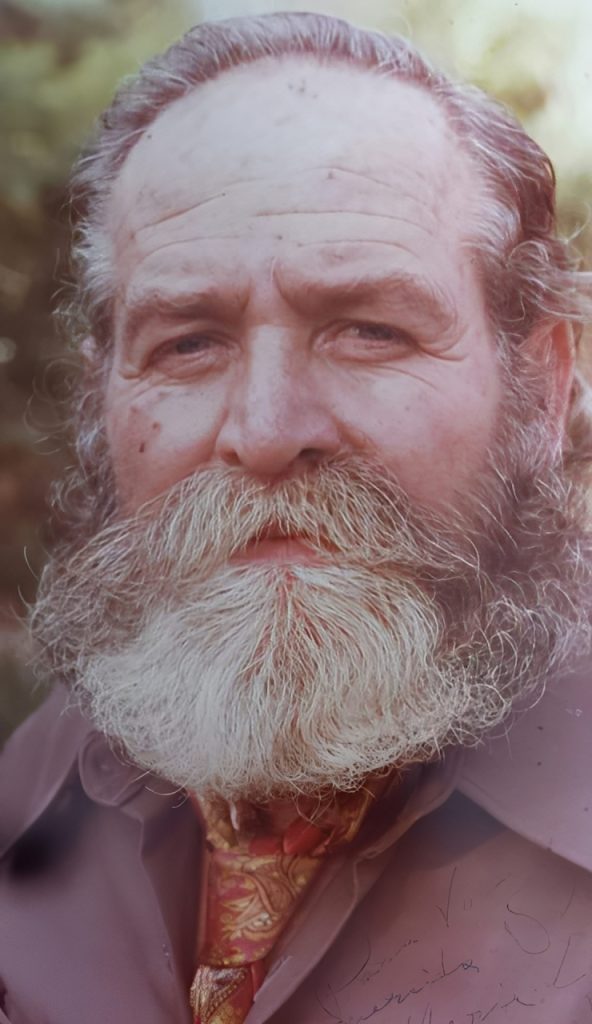
Origins of Stefano Vassiliadis
Much about his early life remains unclear, partly because Stefano Vassiliadis deliberately avoided detailed explanations of his past. What is known is that he served in the Greek Navy and was an experienced metalworker. He fought during the Second World War against German occupation and later opposed Greek monarchic forces.
According to those who interviewed him, he avoided precise explanations after earlier reports mischaracterised him politically. Instead, he preferred to speak about the sea, particularly the Aegean Sea.
After travelling across several continents, he eventually settled in Brazil. There, agricultural ventures allowed him to accumulate modest wealth before an economic collapse forced him to start again.
Life in southern Paraguay
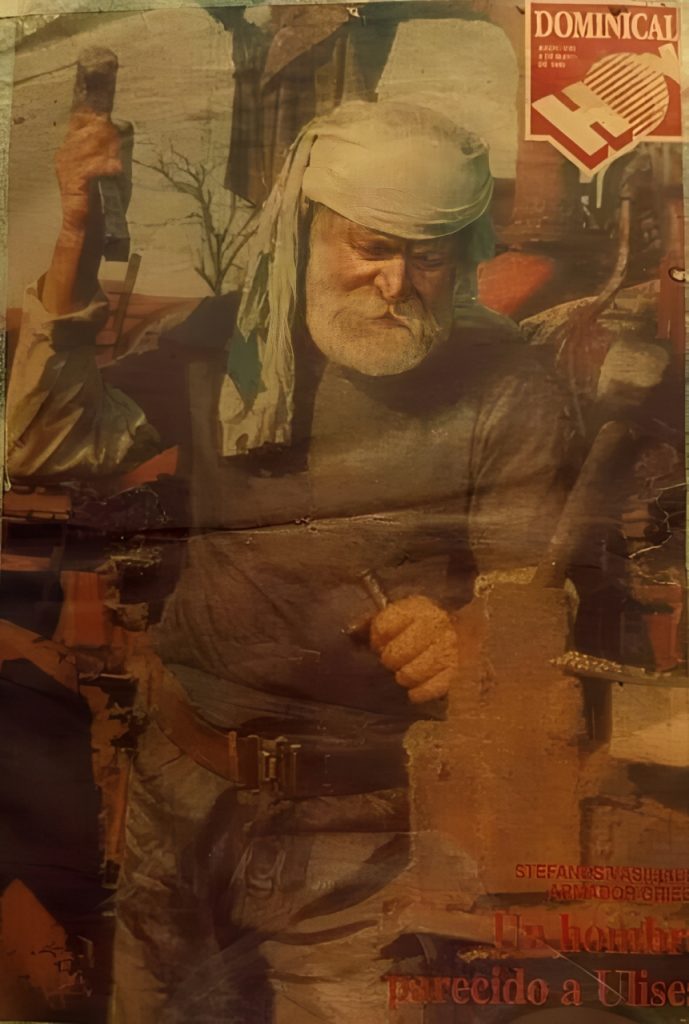
Vassiliadis arrived in Paraguay in 1969 carrying little more than mechanical knowledge and two homemade tractors. He first visited San Ignacio Guazú in the department of Misiones before settling between Coronel Bogado and General Delgado in Itapúa. There, he worked in rice cultivation.
In both Brazil and Paraguay, he became known for designing unconventional agricultural machinery capable of operating in difficult terrain. Including components from dismantled military equipment acquired by the Brazilian government. In Paraguay, he applied similar ingenuity to rice production.
One of his most notable creations was an enormous tractor engineered to overcome tacurú mounds (hardened termite structures common in the region) and wetlands typical of southern Paraguay. Its unusual appearance and powerful movement made it instantly recognisable.
Stefano Vassiliadis, “the Creole Plato”
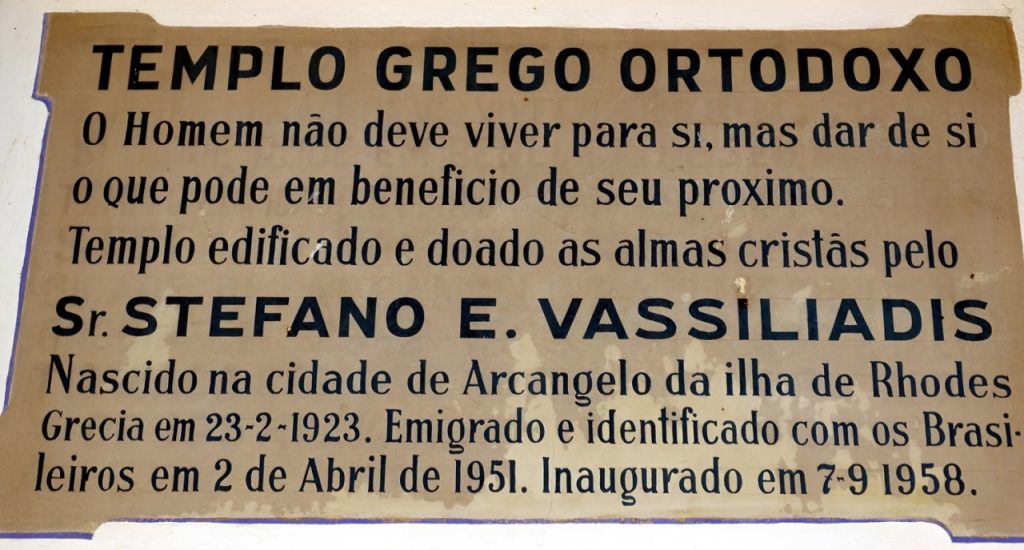
Beyond his technical skill, Vassiliadis became widely known for his personality. Despite his foreign origins, he integrated deeply into local life. A devout member of the Greek Orthodox Church, he even helped build a chapel during his years in Brazil.
In Paraguay, residents recall seeing him walking through the plaza of San Ignacio in the evenings, engaged in long conversations about philosophy, history, and science. Children nicknamed him “Santa Claus” because of his white beard and imposing presence, while some adults jokingly referred to him as a “Creole Plato”.
The submarine built in a landlocked country
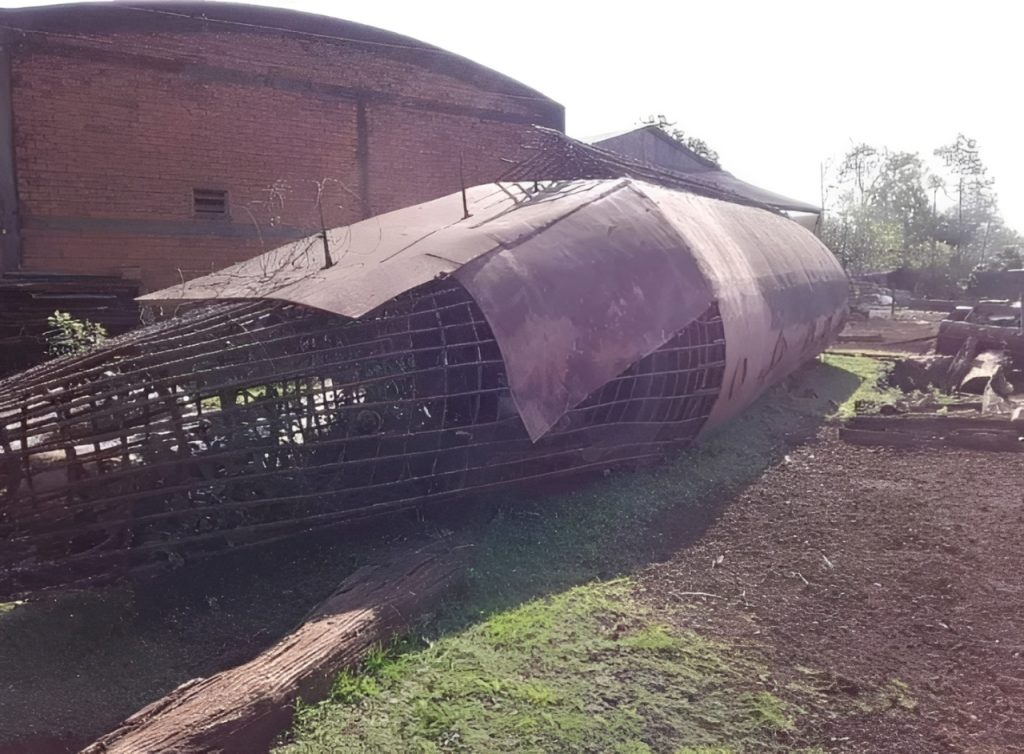
During the 1980s, in Capitán Meza, Itapúa, Stefano Vassiliadis began his most ambitious project: constructing what would become known as the only submarine ever built in Paraguay.
Made from reinforced construction rods and thick metal plating, the vessel had the shape of a fish and resembled a submarine more than a conventional boat. It measured roughly 30 metres in length and featured a closed structure designed for long-distance navigation using diesel engines. Although sounding like something coming from a Jules Verne novel, for Stefano Vassiliadis was a concrete plan: a solitary maritime journey back to Europe after decades abroad.
He intended to navigate Paraguay’s river system towards the Atlantic Ocean. Eventually cross it and completing a personal odyssey back to Greece. He financed the construction himself through agricultural and mechanical work, assembling the structure piece by piece with basic tools and welding equipment under the intense Paraguayan climate.
Today, the remains of the vessel still stand in Capitán Meza, a reminder of a project that combined technical skill with personal determination.
A disciplined and solitary life
Despite advancing age, Stefano Vassiliadis worked alone by choice, believing discipline and effort were central principles of life. He followed a strict lifestyle that he credited for his remarkable health. His diet was largely vegetarian, consisting of small portions of food, wild greens, and bread.
He avoided alcohol entirely and consumed large quantities of boiled water or tea each day. Sleep, he believed, should come naturally, wherever fatigue appeared, whether in forests, fields, or workshops. Much of his time was spent living in a mobile home pulled by his tractor, allowing him to remain close to work sites across rural areas.
Stefano Vassiliadis, the “last Comendador”
A “Comendador”, or Commander, is a rank within certain military or chivalric orders. Typically, above that of a knight. Stefano Vassiliadis claimed to hold such a title, allegedly granted decades earlier by the Republic of Syria, and said he could document it.
Whether fact or legend, the title became part of his identity in Misiones. Writer, lawyer, and judge Camilo Cantero later included him among the figures featured in One Hundred Men and Women from Misiones Who Made History.
The last port
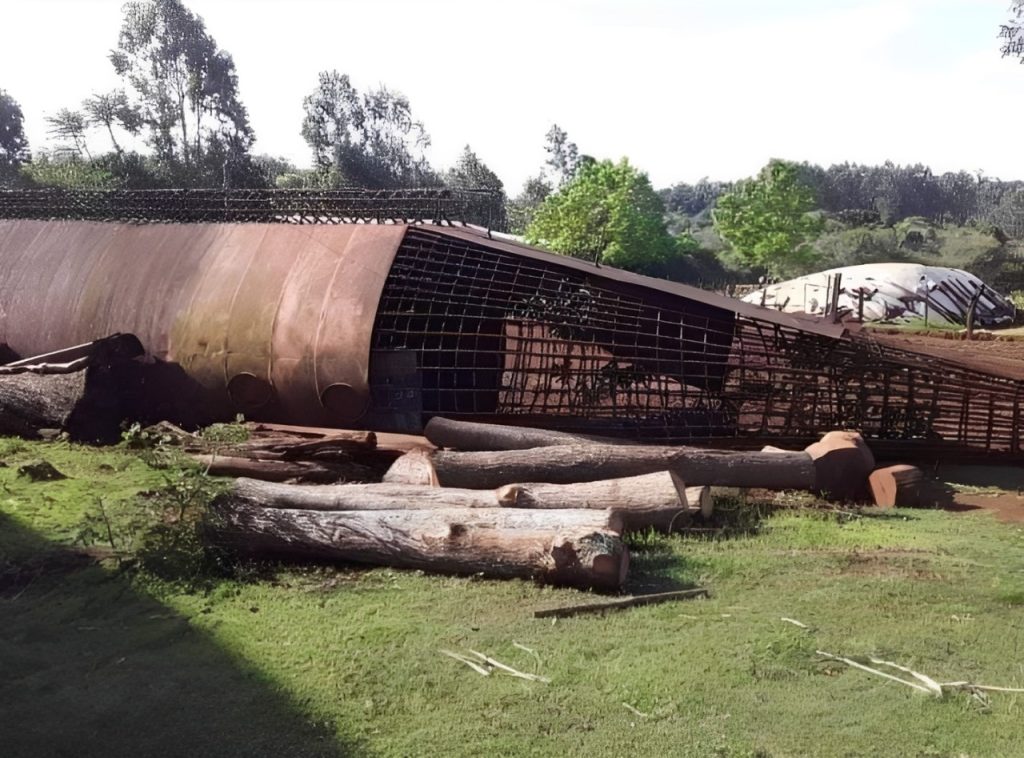
Camilo Cantero described Yabebyry, Misiones, as “the last port” where Stefano Vassiliadis anchored his life. There, he continued agricultural and mechanical work, earning deep affection from residents.
On 7 March 1997, while working there, his life came to an unexpected end at the age of 74. The news caused sorrow across the department of Misiones, where he had become a familiar and respected figure. His family chose to lay him to rest in the cemetery of San Ignacio Guazú. Far from his birthplace, yet close to the community that had embraced him.
An unfinished voyage
Stefano Vassiliadis never reached the Mediterranean Sea. His submarine never began the journey toward Greece. Yet his story endures. The story of a sailor without a coastline, an inventor working alone in Paraguay’s interior. And a man who pursued an improbable dream with unwavering conviction.
In a landlocked country, he built a vessel aimed at the ocean. And in doing so, he left behind one of Paraguay’s most extraordinary human stories: that of a modern Odysseus whose voyage, though unfinished, was never truly abandoned.