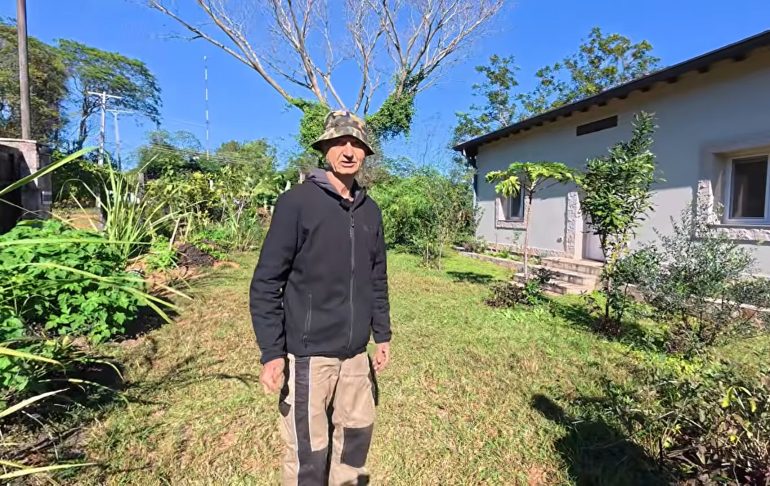

When Emil Moldovan (59) moved to Paraguay in 2021, he was looking for a closer relationship with nature. Five years later, Moldovan lives near Emboscada, where he grows fruit and medicinal plants and develops artisanal foods from locally available ingredients. His path to Paraguay, however, begins far from the countryside. Born in Romania and raised professionally in Germany, Moldovan spent around 20 years working in IT before turning his attention towards farming and holistic health.
“I came to Paraguay first to have more freedom in actions, and to do some all-year-round gardening,” Moldovan says to The Asunción Times. “I am very passionate about farming, self-sustainable, health practices, and so on.”
Finding a home near Emboscada
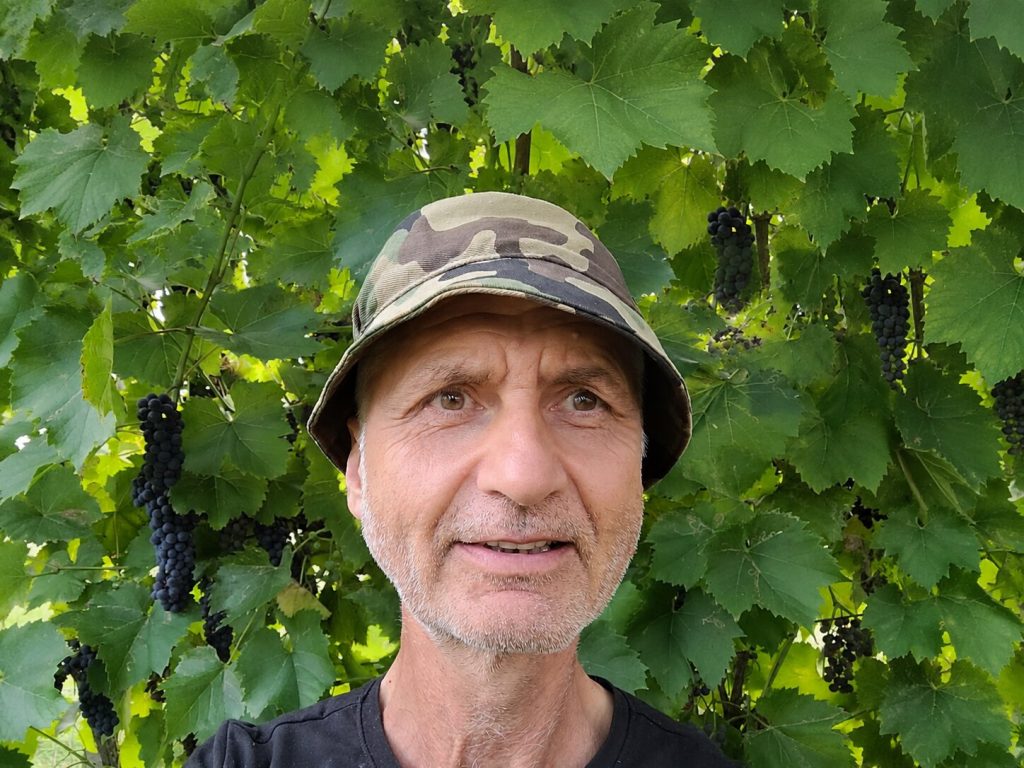
Moldovan and his wife first lived in Asunción after arriving in Paraguay. They then began looking for organic farms, eventually discovering Ecofinca Emboscada. “After visiting the farm and buying vegetables, the owner told us that he also had plots of land for sale. We decided to buy land nearby. Our new home sits between Emboscada and Nueva Colombia, around 40 kilometres from Asunción, in a small hill area surrounded by vegetation.”
Their community also reflects their international journey. Many of the landowners around them speak German, while a Canadian family nearby communicates with them in English or Spanish. For Moldovan, the rural setting offers something he struggles to find in a city: time and space to experiment.
“Most what I love is this tranquillity. We have here a lot of time where there are only the animals and the birds. I can forget all the experiments that I have made in Europe and learn here how to work with the dry season, how to make some guilds from plants so that they can help each other and do not need a lot of maintenance or watering.”
From garden harvests to homemade products
Moldovan grows many familiar Paraguayan fruits, including pineapple, passion fruit and bananas. He also makes use of fruit growing naturally on neighbouring plots, including mangoes, mandarins, grapefruits and lemons.
“These pieces of land are not maintained. They are not agricultural production, they are food forage. My garden also contains medicinal and culinary plants, including moringa, sage, lemongrass and hibiscus. I learn about local plants such as ruda and burrito from people working at the organic farm.”
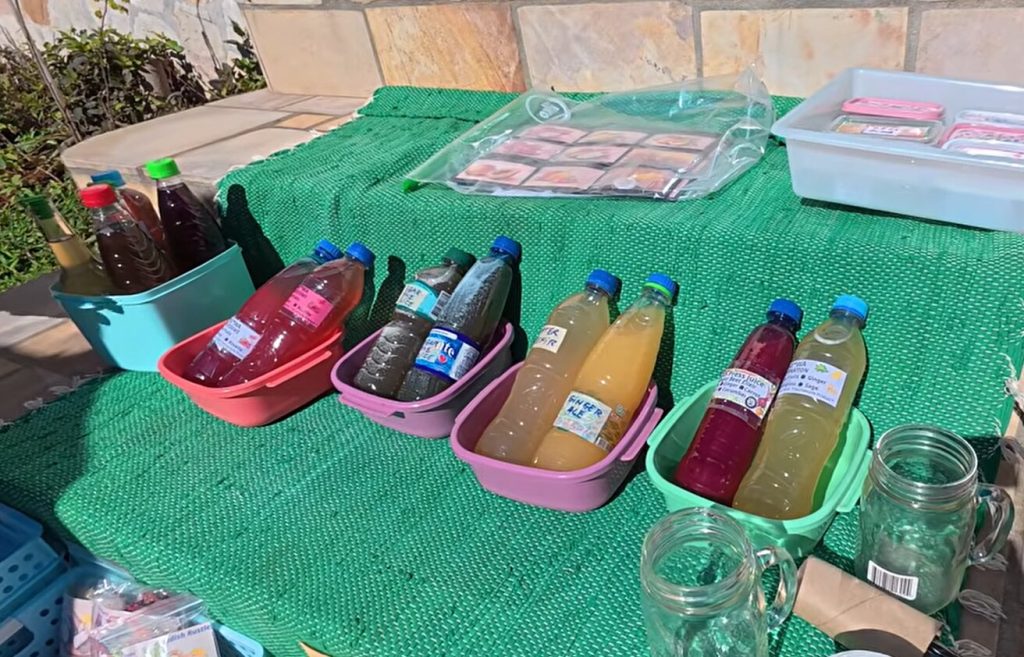
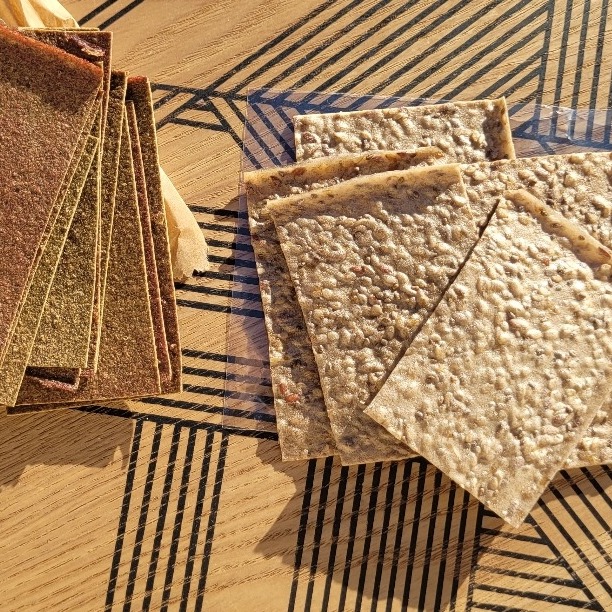
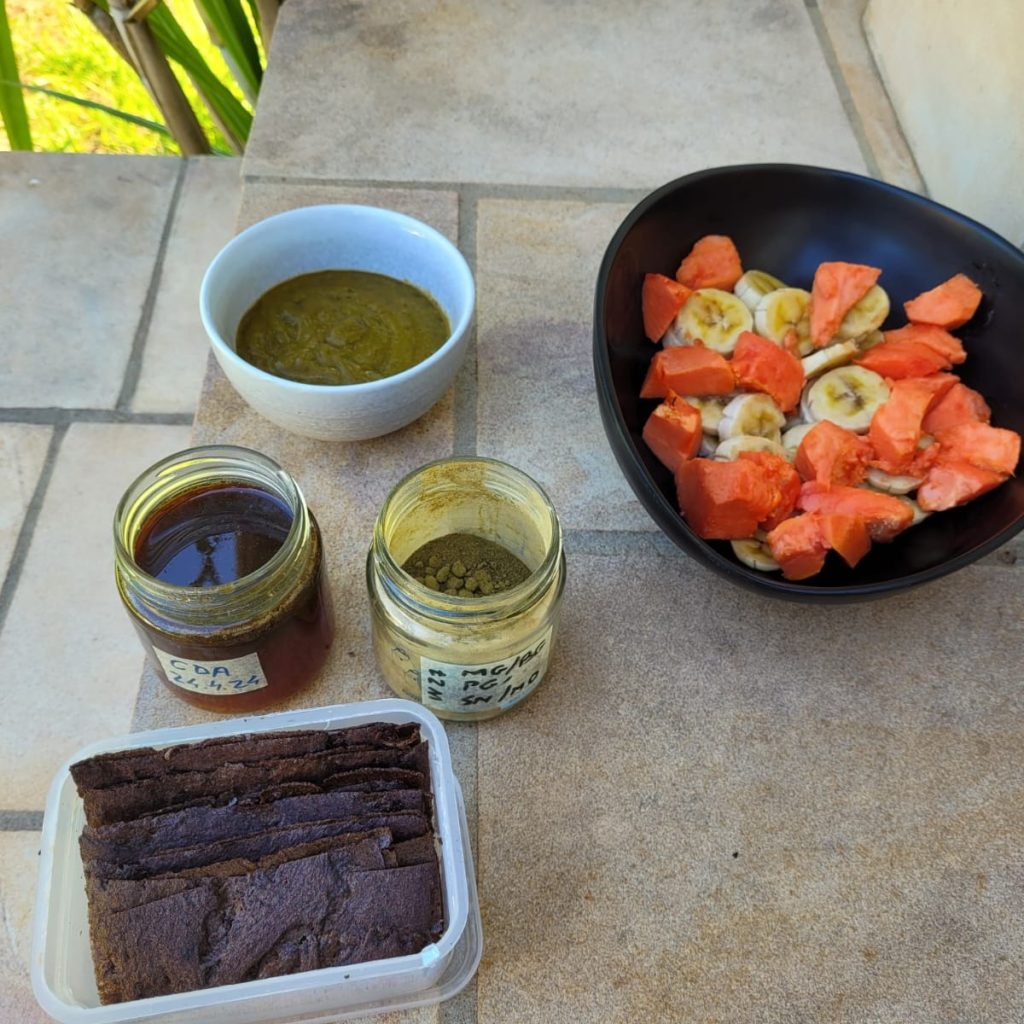
Emil Moldovan also looks for ways to preserve them throughout the year. He therefore experiments with freezing and dehydration. His first products were natural fruit popsicles, followed by fruit leather, beverages, cookies, crackers and chocolates. The fruit leather combines fruits such as mango with medicinal plants, while his fermented drinks include kombucha, water kefir and fruit-based vinegars. His vegetable crackers emerge from another common problem: what to do with surplus pumpkins.
“I had pumpkins, and that was, how can I make a dry bread, but not using any wheat or any other classical things?” The result is a cracker made primarily from vegetables, sometimes combined with fruit and citrus. His chocolates also respond to customer feedback.
“I add seeds, nuts and fruit leather so children who may avoid fruit can encounter it in a more familiar form. The idea is not to preach how good it is to eat healing plants, but to make something that the people are enjoying.”
Learning by experimenting
“For more than 10 years before I came to Paraguay, I was in a lot of workshops and courses online. I also completed training as a holistic health practitioner in Germany and studied permaculture. For me, it is not so much to have a diploma or certification, but to have the skills.”
That philosophy also shapes his approach to food.
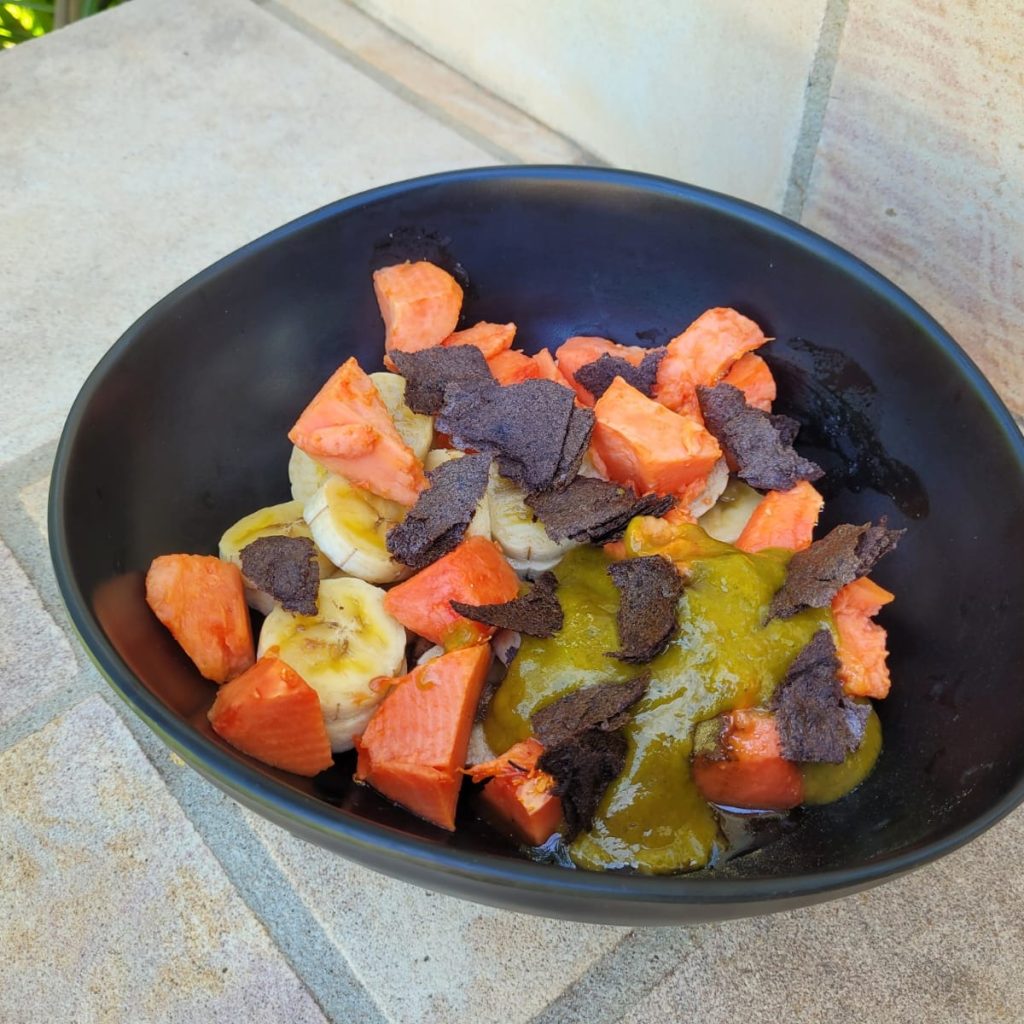
“If I give somebody one leaf of moringa and they say, ‘It is too bitter. I do not like it. Then, I give them a beverage or an ice popsicle or a fruit leather made with this, with such a small amount of moringa that even a five-year-old will eat it and not throw it away, that is the idea.”
Moldovan now has more than 50 cracker recipes and around 12 recipes each for cookies and chocolates. His focus is not necessarily to produce one standard product for everyone, but to respond to what individual customers want.
Turning unused resources into opportunity
One of his biggest challenges is also what inspires him most: making use of food that would otherwise go to waste.
“Most of the people do not use these mangoes,” recalling the fruit that falls from trees around Paraguay during mango season. “The nature here is very, very intense, very lively.”
When ripe fruit falls, insects quickly begin consuming it. Emil Moldovan therefore develops a system based on processing small amounts continuously rather than harvesting huge quantities at once.
“Today there are some fruits ripe, there are some fruits that have fallen. How to collect them, how to make them clean, how to chop them, how to process them, and then combine some fruits. That is the art of freedom, having the time to do experiments each day.”
For now, Moldovan sells his products at Ecofinca Emboscada on Mondays and Thursdays from 9:30 to 12:00. He is also looking for partnerships with people who sell healthy products at markets and could offer space for his products. His longer-term ambition is to make the products more visible, gather more customer feedback and identify which of his many recipes are worth producing on a larger scale. People interested can contact Emil on WhatsApp or email at emil.moldovan.pry@gmail.com.
Also read: Seasonal Fruits In Paraguay: A Full Year Of Flavours.