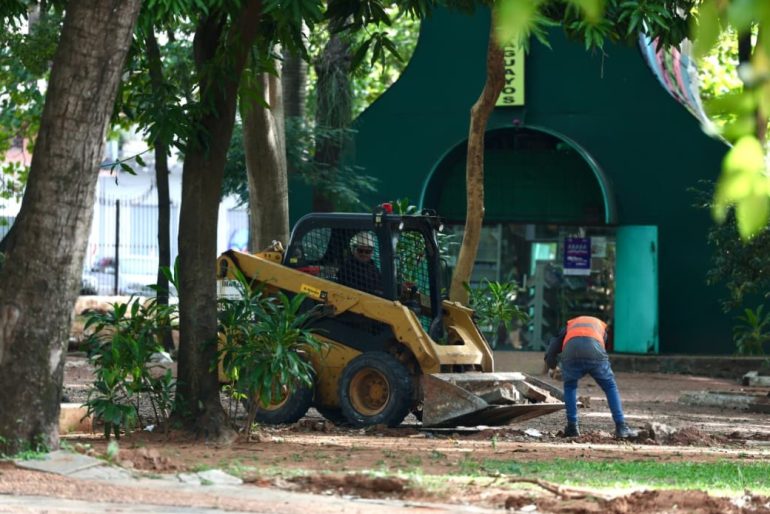

A significant project to revitalise Plaza Uruguaya, one of Asunción’s most emblematic public spaces, has now commenced. This initiative is a key component of the broader revitalisation plan for the Historic Centre of Asunción (CHA). The project aims to transform the plaza, enhancing its features to improve accessibility, safety, and overall enjoyment for the public. Spanning more than two hectares, Asunción’s historic Plaza Uruguaya stands as one of the capital’s most representative and cherished public squares.
The comprehensive works are designed to carefully preserve its historical character while simultaneously adapting the space to meet the contemporary needs for recreation, community life, and public gatherings. This balance between heritage and modernity is central to the project’s philosophy.
The undertaking represents a new chapter for the historic square, promising a thoughtful transformation that respects its legacy. The improvements are intended to make the plaza a more welcoming and functional environment for residents and visitors alike. Ultimately, the goal is to reinforce its role as a central hub for citizen interaction and leisure within the urban landscape of the capital city. The project’s first phase will focus on interventions contained within the plaza’s existing boundaries, ensuring minimal disruption to the surrounding area.
A focus on community and accessibility
During this initial stage, the primary objective is the recovery and enhancement of the plaza’s interior spaces. Planners have actively incorporated feedback from key stakeholders, including local residents and groups of dog walkers who are frequent users of the site. The emphasis is on creating an environment that is not only aesthetically pleasing but also highly practical for its daily visitors. Therefore, the input from these groups has been instrumental in shaping the initial plans for the renovation works.
A major component of the work involves upgrading the network of pathways throughout the square. The project will replace existing surfaces with more comfortable and accessible pavements, making Asunción’s historic Plaza Uruguaya easier to navigate for everyone, including individuals with mobility challenges. In addition, the children’s play area is set to be completely refurbished with new, modern equipment. Designated rest and seating areas will also be established, offering more opportunities for relaxation and social interaction. These carefully planned upgrades are designed to enhance the overall user experience significantly.
Enhancing public amenities and preserving nature
Further improvements include the renewal of urban furniture and significant upgrades to the public sanitary facilities. The plans specify that the renovated toilets will feature installations fully adapted for people with disabilities, promoting greater inclusivity. While implementing these modern amenities, the project also places a strong emphasis on preserving the plaza’s rich environmental value. The revitalisation strategy aims to maintain the massive presence of trees that characterises the square, ensuring its status as a vital green lung in the city centre is protected.
The preservation of cultural heritage is another fundamental pillar of the intervention. All major sculptures, including those honouring José Gervasio Artigas, Augusto Roa Bastos, and Agustín Pío Barrios, will remain in their distinguished positions. Likewise, classical art pieces such as La Madre, La Bailarina, La Bañista, and Venus will be carefully maintained and displayed in appropriate settings to ensure their continued appreciation by the public. This careful attention to the plaza’s artistic elements underscores the project’s dedication to safeguarding the city’s cultural assets for future generations to enjoy.
Project oversight and funding details
To further enhance the historical character and improve safety, the project includes the restoration and redistribution of the plaza’s historic luminaires. This work will serve to highlight the original design of the square while reinforcing security conditions during the evening and night-time hours. The improved lighting is expected to create a safer and more inviting atmosphere after dark. This intervention forms part of Phase 1 of the Revitalisation of the Historic Centre of Asunción project, which is driven by Paraguay’s Ministry of Public Works and Communications (MOPC).
The initiative is being implemented as part of the Urban Resilience Programme, which is financed by the World Bank through loan BIRF 9451-PY. The execution of the works, including the executive design and construction, has been entrusted to the Consorcio Palma. This consortium is composed of two firms: Compañía de Construcciones Civiles S.A. and TECO Sociedad de Responsabilidad Limitada.