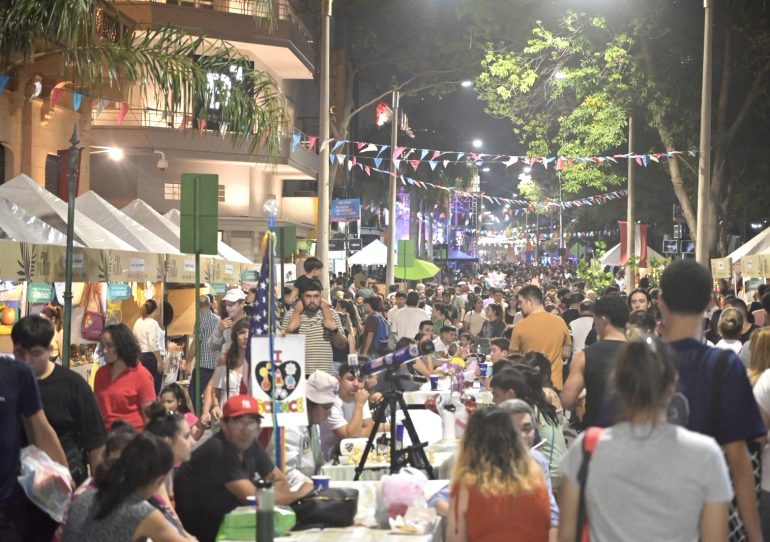

The Palmear Fair has become one of the most visible urban revitalisation initiatives in Asunción’s historic centre. Every Saturday in recent years, this weekly cultural and social gathering has attracted hundreds of thousands of visitors. Entrepreneurs, artists, residents, and first-time visitors stroll along Palma Street, enjoy homemade food, listen to live music, or simply explore what different vendors have to offer.
According to organiser Seba Peña (47), part of the Association for the Revitalisation of Asunción’s Historic Centre (AMCHA), the project has reshaped how citizens relate to public space in the capital’s historic core.
“It started as something simple, a test,” Seba Peña says to The Asunción Times, reflecting on the origins of the initiative. “What we wanted was very clear: to bring people back to the centre of Asunción, not just for an event, but to restore a habit of walking, meeting, and using public space.”
Palmear Fair: a city project

The idea behind the Palmear fair was developed alongside AMCHA and gradually gained momentum through conversations with multiple institutions. Around two and a half years ago, the project was strengthened through dialogue with the Office of the First Lady, Leticia Ocampos. Peña emphasised that it was never initially conceived as a large-scale intervention.
“It did not begin as a major project, but as a big dream. There was a concern about how to bring life back to the historic centre, and we started by doing something very simple: closing the street and seeing what would happen. The success of this movement is precisely the teamwork behind it. It would not have been possible without that shared commitment.”
That first trial along Palma Street marked a turning point. The response from the public exceeded expectations, transforming what was initially an experiment into a recurring city event. In the last two editions alone, Peña noted that more than 900,000 people have attended. From the beginning, collaboration has been central to the project’s development. The First Lady’s Office played a key role in promoting the idea, while national government institutions, the Municipality of Asunción, and private companies also joined the effort.
“The space belongs to everyone again.”
As the fair expanded, it gradually shifted from an occasional initiative into a regular feature of urban life. Peña explained that this transformation is one of its most significant achievements.
“It stopped being just an event and became a habit for the city. People now associate Saturdays in the centre with Palmear. There was curiosity from the audience, but also nostalgia. People started talking again about the old ‘palmeadas’. Today, it is something people look forward to. The space belongs to everyone again.”
Over time, that initial reaction evolved into active participation. Businesses in the area began to report increased sales during fair days, while visitors increasingly planned their weekends around the event.
Organisation, growth, and cultural impact
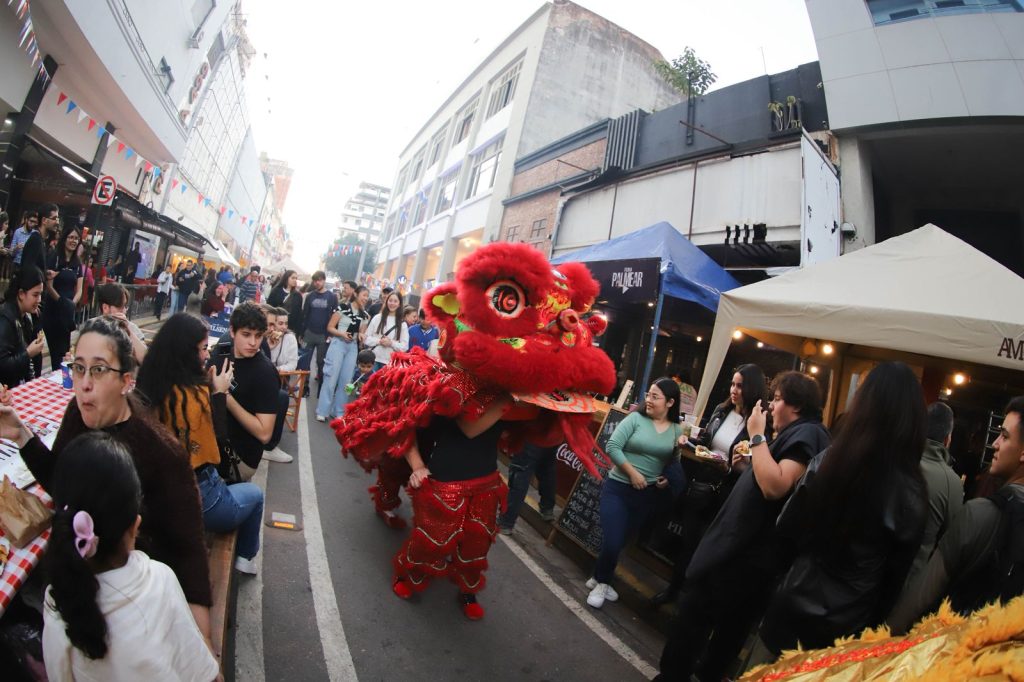
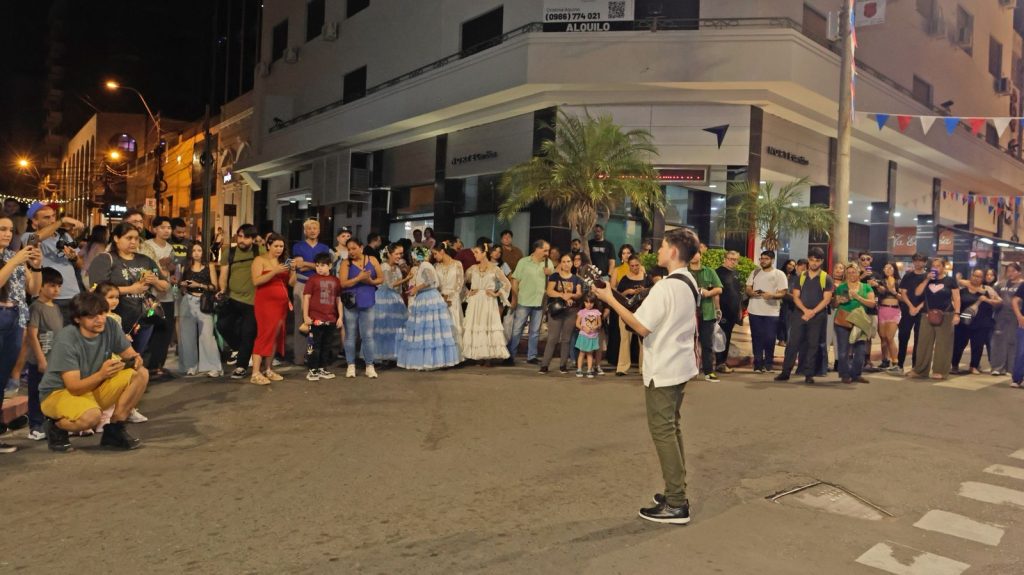
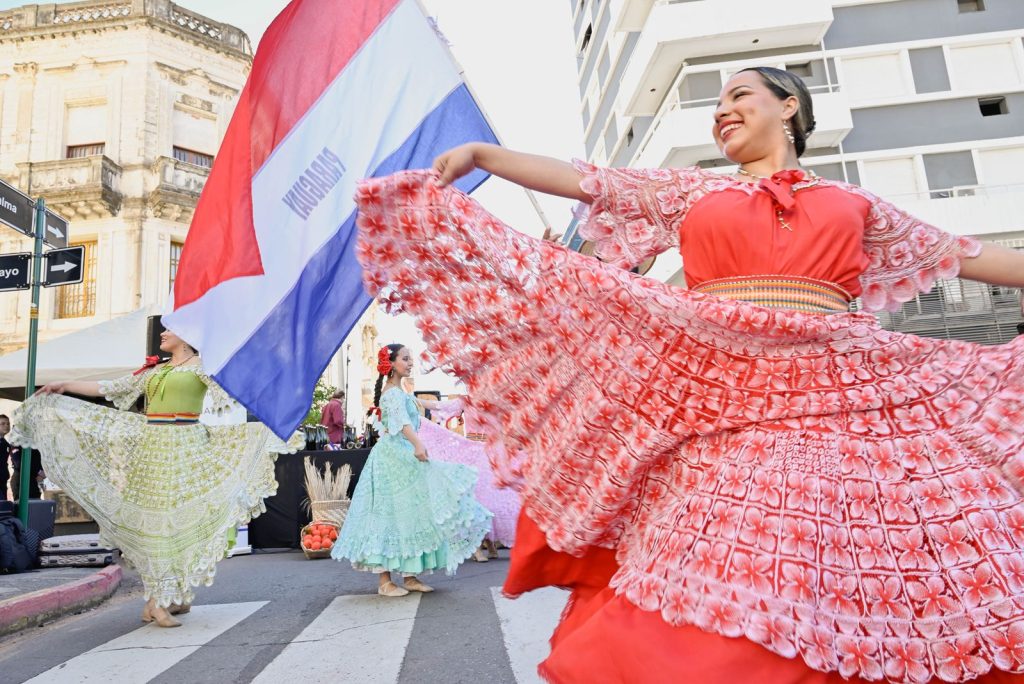
As attendance grew, the organisational structure of Palmear also became more complex. Now, Palmear Fairs involves a coordinated multi-institutional operation involving municipal services, security forces, and cultural organisers working together each week. Beyond its economic and logistical dimensions, Palmear has also established itself as a platform for cultural expression. The fair provides space for artists, artisans, and cultural collectives who often lack formal venues to showcase their work.
“It gives space to those who often do not have a place to present their work. It is also about mixing the traditional with the contemporary.”
Thematic editions have become a defining feature of the fair. Events such as San Juan and Children’s Day are now part of its calendar, alongside special cultural celebrations. In 2026, Palmear Fair starts with a Japan-themed edition marking the 90th anniversary of Japanese immigration to Paraguay.
Revitalising the historic centre
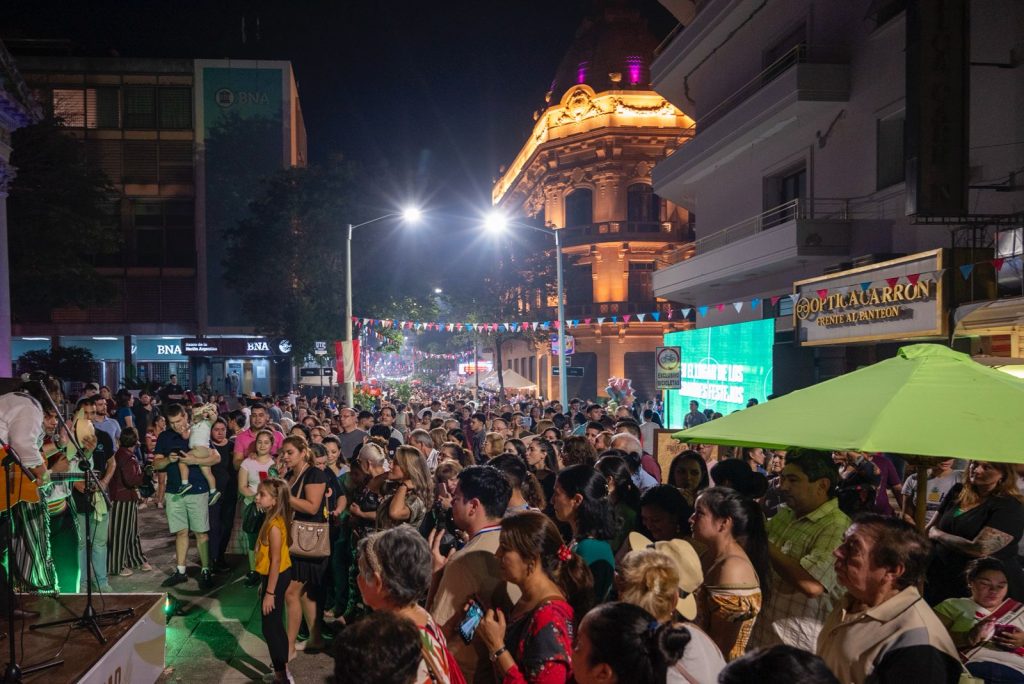
The impact of the fair on Asunción’s historic centre has been increasingly visible. Seba Peña points to renewed pedestrian traffic, growing commercial activity, and a stronger cultural presence in the area.
“The centre started to feel alive again. You can see the change in how people move, how they stay, and how they use the space. Palmear Fair events require a lot of teamwork every week. But over time, it has become part of the city’s rhythm.”
However, Peña also acknowledges that challenges remain. One of the main concerns is maintaining the original essence of the project while continuing to grow. Informality within the broader ecosystem is another issue that requires ongoing attention. Logistics remain one of the most demanding aspects of the fair. Each Saturday requires coordination between multiple public and private entities, including police, municipal teams, cleaning services, and security personnel.
What can we expect for Palmear 2026?
Looking ahead, organisers aim to expand the experience by integrating nearby public squares into the fair’s layout. This would allow for more cultural activities and spaces where visitors can stay longer and engage more deeply. Despite its growth, Peña believes the essence of Palmear remains simple. For him, its impact is best understood through the return of people to the city centre.
“If we sustain this over time, it can become an important pillar in the revitalisation of the historic centre. In the end, what happened is quite simple: people came back (to Asunción). And when people returned to the city, everything began to change.”
Palmear Fair takes place every Saturday on Palma Street in downtown Asunción. More than 90 vendors offer crafts, food, and drinks, while sometimes artists perform live music throughout the day. Meanwhile, visitors gather to sit, socialise, and enjoy a relaxed atmosphere, reclaiming public space.