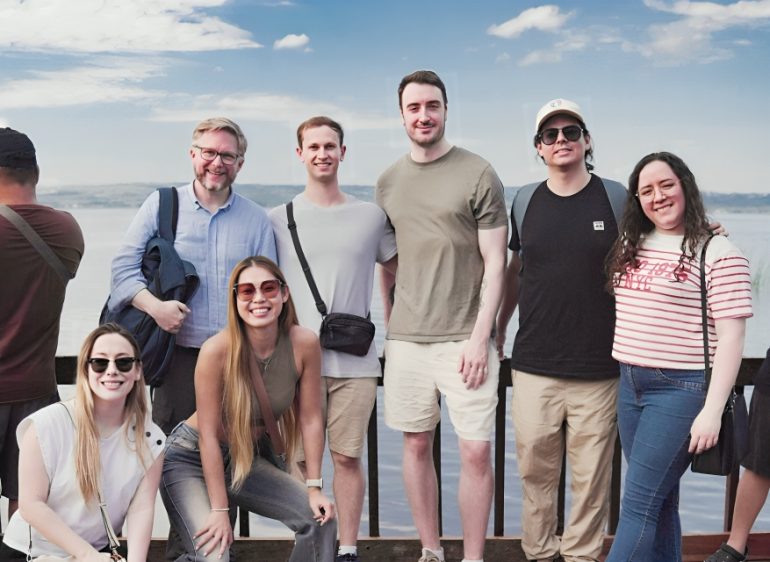

Fluido Spanish School is launching a new homestay programme connecting international Spanish students with local families in Asunción. The initiative aims to give students more opportunities to practise Spanish while experiencing everyday Paraguayan life outside the classroom. Based in Asunción’s Villa Morra area, Fluido specialises in intensive, in-person Spanish courses primarily aimed at international visitors. The school combines language instruction with cultural and social activities designed to immerse students in life in Paraguay.
The new Fluido Homestay Programme, known in Spanish as the Programa de Familias Anfitrionas, will allow adult students to stay with participating families. Fluido is currently looking for several families living within walking distance of its school in Villa Morra. For founder Sam Goetz, 28, the programme addresses one of the challenges he continues to see among international students.
Practise outside of Fluido
“The problem is we get many Spanish students and they work hard here in class,” Goetz tells The Asunción Times. “But many of them do not get practise outside of Fluido. It can be a challenge for people to speak Spanish and practise it.”
His proposed solution is straightforward: “How can we force people to practise Spanish outside of school? It is if they live with a Paraguayan family for a few weeks, or a week, or a month.”
Learning beyond the classroom
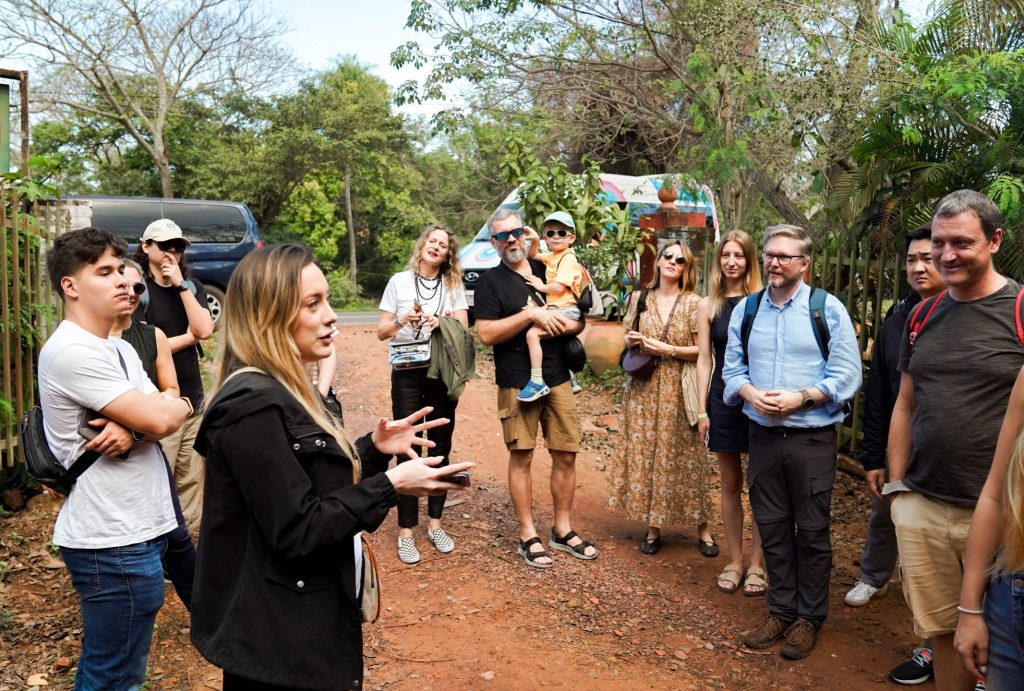
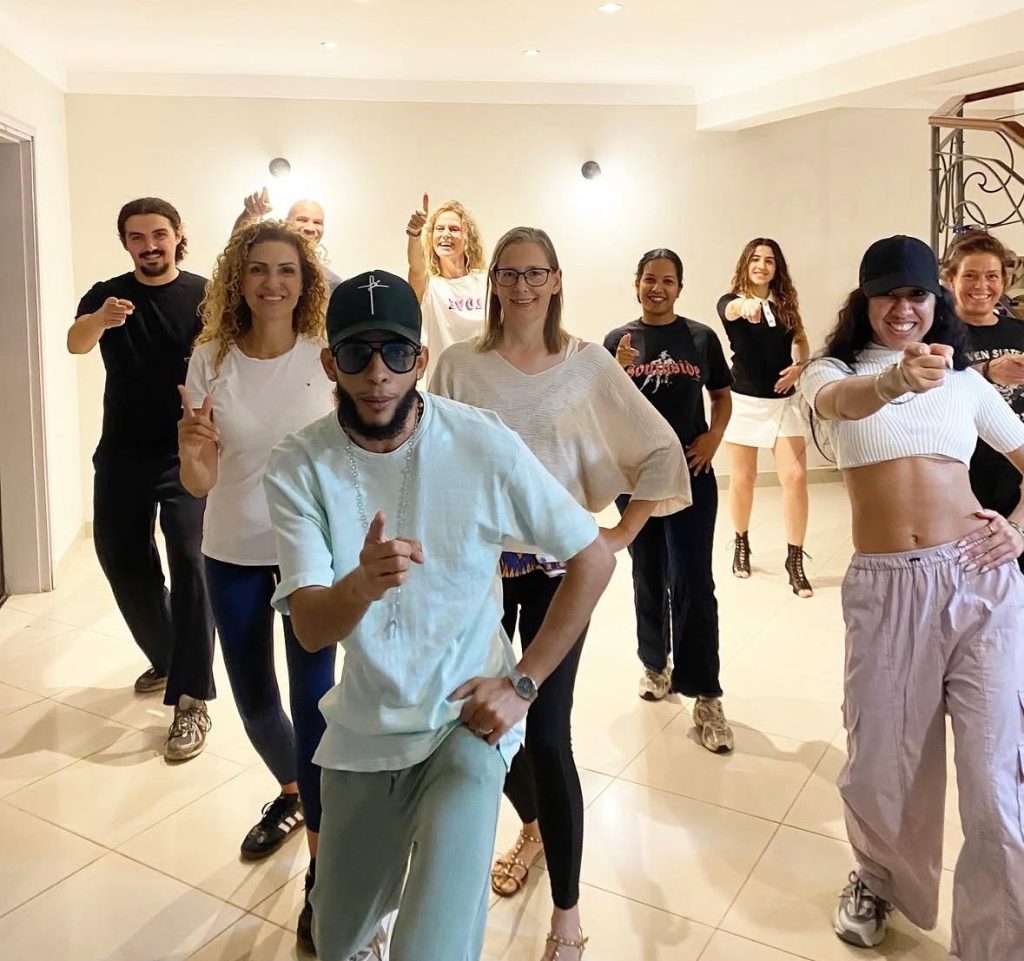
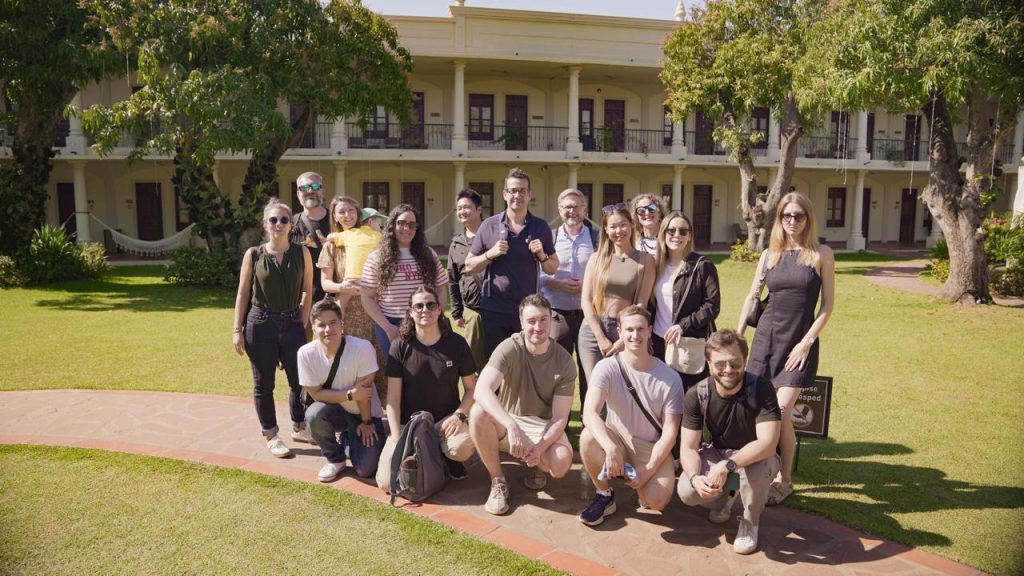
Fluido officially opened in Asunción in February 2026 after Goetz developed the concept from his own experience learning Spanish in Paraguay. The school later established its permanent base in a house in Villa Morra, where its approach focuses on intensive lessons, small groups and cultural immersion.
However, Goetz says classroom study does not always translate into regular Spanish conversations afterwards. Demand from prospective students provided another reason to introduce the Fluido homestay programme.
“People ask us for it when they are coming to Paraguay. When they are planning their trip, it has become more popular for them to ask, ‘Hey, do you have a homestay programme?’ And I had to say no because we did not have one. Now we are launching one.”
Living with host families
Students will live with host families for periods ranging from one to four weeks. Goetz says one week currently appears to be the most common request, particularly among travellers and backpackers visiting Paraguay. Unlike a traditional international exchange, no member of the Paraguayan family will be sent abroad in return. Host families will instead receive payment for accommodating the student.
“It is not an exchange. You are accepting an adult, first of all, somebody over 18, and you are going to be paid to take care of that person, to give them a bed and give them food, and ideally accept them into your family for a period of time. If your family is having asado, invite them. If your family is taking a trip on the weekend, it would be great if you could invite them.”

What Fluido is looking for
Location is one of the programme’s main requirements. Fluido is prioritising families within roughly a 20-to-25-minute walk of the school in Villa Morra, although Goetz said slightly longer distances could be considered.
“The bigger the family, the better. If 10 people, six people live in your house, four people, and they speak Spanish, and you live close in Villa Morra or close to Villa Morra, you are the ideal candidate.”
Families do not have to be entirely Paraguayan, and speaking English does not disqualify applicants. However, Goetz says households where little or no English is spoken could provide stronger immersion.
“The ideal experience is you do not speak any of their native language. If they are German, you do not speak any German to them. You do not speak any English.”
His vision comes partly from his own experience staying with a family while studying Spanish in Peru. Goetz lived in a multigenerational household and particularly remembers communicating with the grandmother, who spoke no English.
“She was paid, but I do not think she was doing this for the money. She spoke no English, by the way. No English. And that was great for me. I got to see my Spanish progress with her every day.”
Becoming part of a Paraguayan family
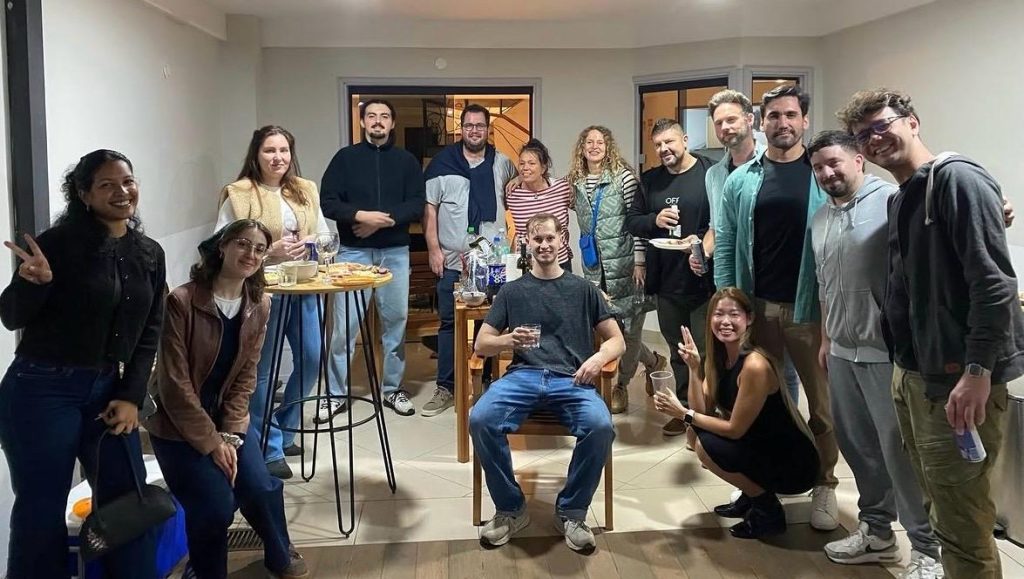
Under the proposed arrangement, host families would provide students with a bed and food, including breakfast. Students would attend their regular classes at Fluido and return to an environment where Spanish remains part of everyday life. Goetz hopes hosts will speak with their students for at least ten minutes each day and, where possible, include them in ordinary family activities. This could mean joining a birthday celebration, sharing an asado or simply accompanying someone to the supermarket.
“You do not have to, but we want the student to feel like they are part of your family for a week or two.”
Fluido plans to meet potential hosts before accepting them and later visit their homes. Goetz says reliability is particularly important because international students may arrange accommodation before arriving in Paraguay. Fluido also plans to screen students before placing them with participating households and intervene if problems arise during a stay. For Goetz, however, the programme is ultimately intended to provide something that extends beyond accommodation.
“I hope students will feel they have a family or friend, but feel like they have a Paraguayan family for life. I hope students will improve their Spanish. And I hope students will learn Paraguayan culture and foods that they never would have learned anywhere else.”
Interested households can apply through Fluido’s website, with proximity to the Villa Morra school remaining an important consideration.