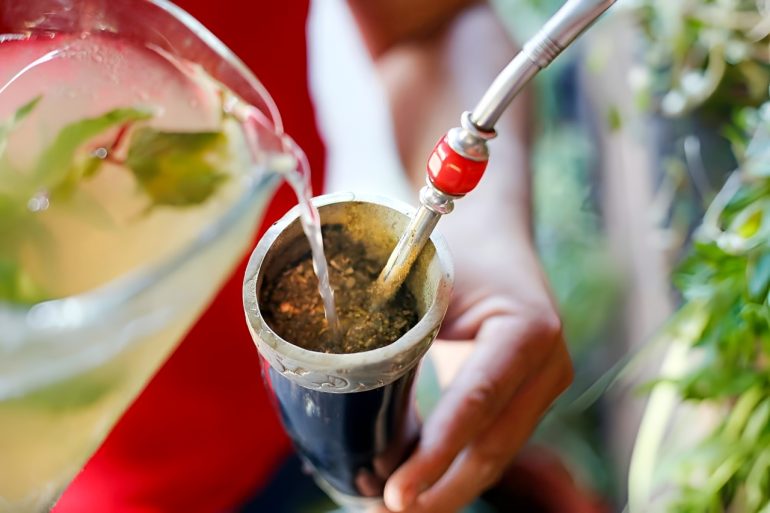

Every 22 August, Paraguay celebrates National Folklore Day, an occasion to recognise the traditions, beliefs and customs that have shaped the country’s cultural identity. For visitors, Paraguayan folklore may first appear through traditional dances, colourful costumes or the sound of a harp. Yet folklore in Paraguay extends far beyond performances. Folklore lives in the language people speak, the food they share, the stories they tell and the rituals woven daily.
A culture shaped by many influences
One of the defining characteristics of Paraguayan folklore is the meeting of different cultural traditions. Guaraní heritage remains particularly influential, while European, criollo, Indigenous and Afro-Paraguayan traditions have also contributed to the country’s cultural landscape. This influence is especially evident in Paraguay’s languages. Spanish and Guaraní are both official languages, but their relationship goes far beyond simply existing side by side. Guaraní has deeply influenced Paraguayan Spanish, shaping vocabulary and expressions.
This can be heard in words and phrases that Paraguayans use naturally in Spanish conversations, as well as in jopará, the fluid mixture of Spanish and Guaraní commonly heard across the country. For newcomers, listening to Paraguayans speak can therefore offer an insight into the country’s cultural history. Even when a conversation is largely in Spanish, Guaraní may be present beneath the surface. Many familiar elements of Paraguayan culture also carry Guaraní names, from ñandutí and tereré to the mythical characters that populate traditional stories.
Tereré, myths and everyday traditions
Perhaps no tradition better illustrates this than tereré. The cold herbal drink is often associated with hot days, but its importance goes beyond refreshment. The traditional practice is connected to Guaraní knowledge about medicinal plants, known as pohã ñana, and is usually shared socially. In 2020, UNESCO recognised the traditional practices and knowledge surrounding tereré and pohã ñana as Intangible Cultural Heritage. The practice demonstrates how cultural heritage can remain part of ordinary life rather than becoming something performed only on special occasions.
The same is true of Paraguay’s myths and legends. Stories about the Pombero, Jasy Jatere, Luisõ and other mythical beings have been passed from generation to generation through oral storytelling. Whether people believe in these figures today is less important than the role the stories play in connecting generations with Paraguay’s cultural memory.
Food provides another everyday expression of folklore. Chipa, mbejú, sopa paraguaya, vori vori and other traditional dishes carry recipes and techniques passed between generations. Eating them is also a way of maintaining cultural traditions.
Music, crafts and a living heritage
Music and crafts offer another window into Paraguay’s folklore. The Paraguayan harp and polka are closely associated with national identity, while guarania demonstrates how folklore can evolve rather than remain fixed in the past. Created by José Asunción Flores in 1925, guarania became one of Paraguay’s most recognisable musical forms. UNESCO added it to the Representative List of the Intangible Cultural Heritage of Humanity in 2024.
Traditional crafts such as ñandutí and ao po’i similarly demonstrate how cultural knowledge is transmitted through generations. Ñandutí, whose Guaraní name means “spider’s web”, is particularly recognisable for its intricate patterns. A person drinking tereré, speaking Guaraní, switching between Spanish and Guaraní, eating chipa or listening to a guarania song may not think of themselves as practising folklore. Yet that is precisely why Paraguay’s traditions remain alive: they are part of everyday life.