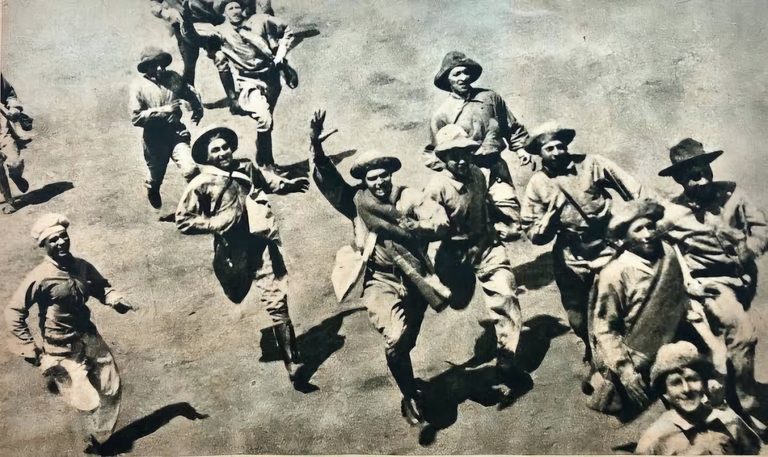

29 September is Battle of Boquerón Day, an important national holiday in Paraguay. On this day, the country commemorates the Paraguayan victory at Fortín Boquerón, the decisive twenty-day battle that marked the beginning of the Chaco War in 1932. Ninety-four years later, we look back at the events that unfolded there, and at the extraordinary endurance, sacrifice, and determination that would make Boquerón one of the defining chapters in Paraguay’s history.
Between 9 and 29 September 1932, a quiet outpost tucked three hundred and sixty kilometres from Asunción became the epicenter of a nation’s destiny. The Siege of Fortín Boquerón was not merely the opening engagement of the Chaco War. It was Paraguay’s baptism of fire. The twenty-day ordeal transformed raw resolve into an unyielding national legend.
The Spark in the arid wilderness
The conflict had flared months earlier in the sun-bleached expanse of the Chaco Boreal. Following clashes at Lake Pitiantuta, Bolivian forces moved to occupy several Paraguayan outposts. They raised their flag over Boquerón on 31 July 1932. Bolivia possessed superior numbers and heavier weaponry, yet they fundamentally misjudged the spirit of the nation they had provoked. From the moment Paraguayan delegates withdrew from Washington, the republic mobilised with quiet, unrelenting focus.
Blood, thirst, and tactical genius
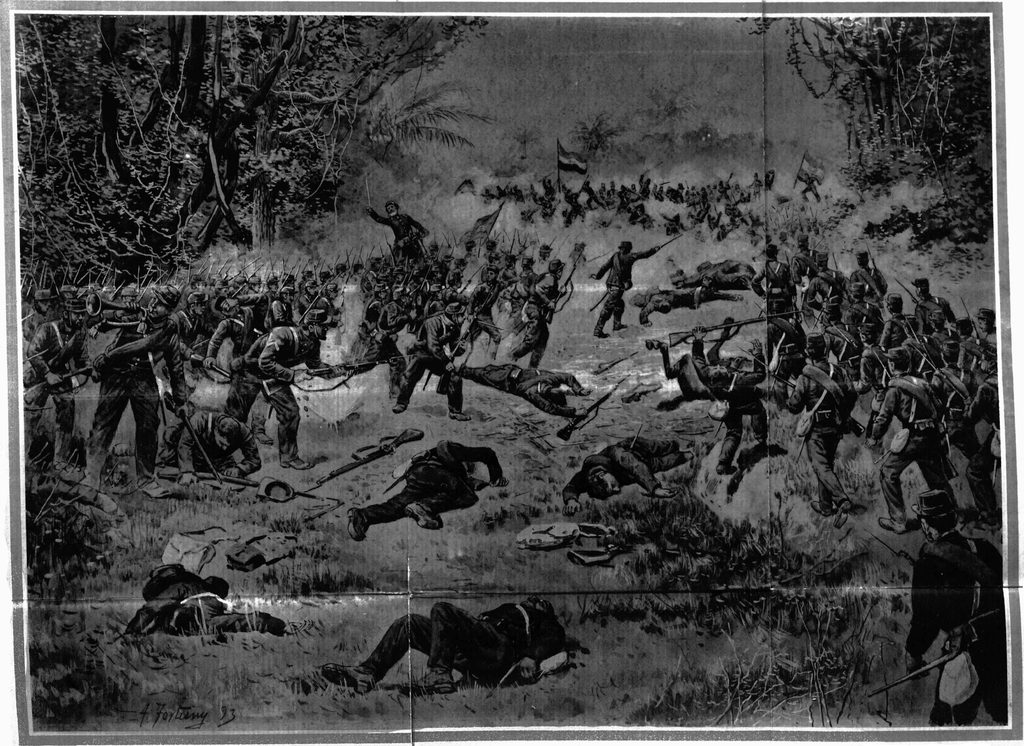
Under the strategic command of Lieutenant Colonel José Félix Estigarribia, the Paraguayan army launched its counter-offensive on the morning of 9 September 1932. The assault was led by the Curupayty Regiment. They proudly requested the honour of spearheading the first strike. Their goal was to reclaim the ground lost weeks earlier.
Advancing towards the heavily fortified sector known as Punta Brava, the troops met a devastating wall of fire. The Bolivian garrison, sheltered beneath entrenched chapapas and fortified quebracho timber, held the high ground.
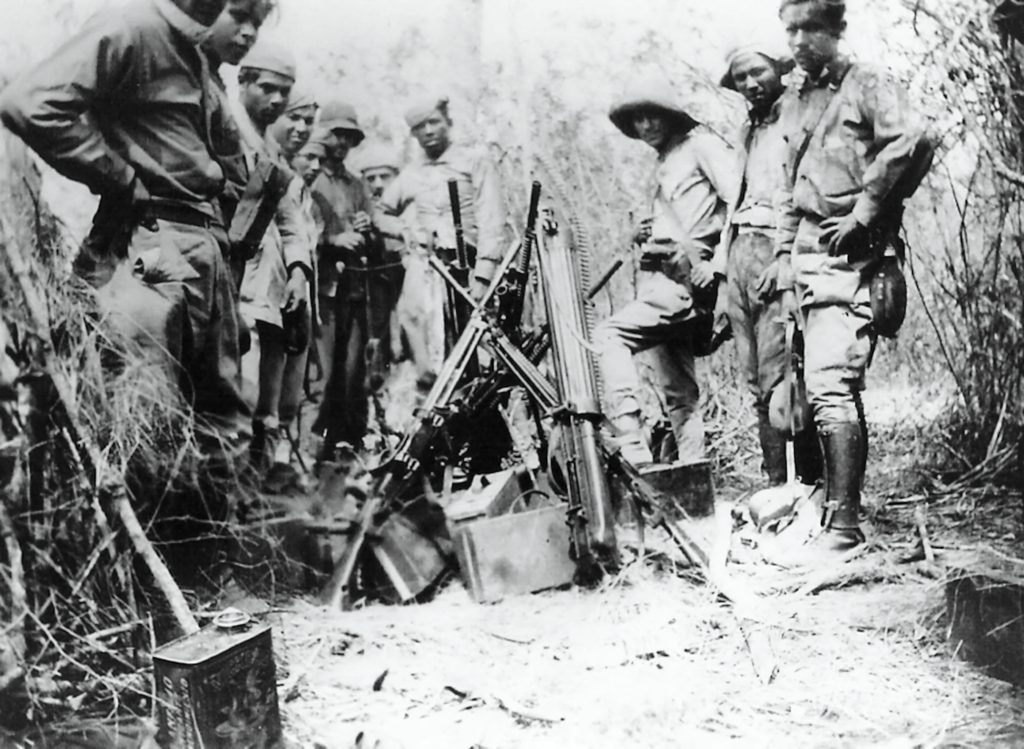
Yet, as the rifles blazed, a far more ruthless enemy emerged beneath the suffocating Chaco sun: thirst. With canteens drained by noon and supply trucks struggling across the arid scrubland from Isla Poí, infantrymen were forced to pause, regroup, and adapt.
Where brute force failed, military ingenuity took hold. Recognizing the limits of frontal assaults, Estigarribia shifted tactics. He deployed double-envelopment maneuvers known as corralitos. The term can be translated as “strangleholds” in this context. The First and Second Divisions gradually tightened their grip around the fortín. They severed communications and blocked relief columns from Yujra and Ramírez.
For three weeks, the red soil of the Chaco witnessed relentless endurance. Bolivian reinforcements were repeatedly turned back in the surrounding woods, while inside the perimeter, defenders withered under constant artillery and mortar bombardment. By late September, Paraguayan forces had closed the ring completely. The ranks of the Military School had also joined them. They formed the RI-6 Boquerón regiment.
The triumph of national will
In the pre-dawn hours of 29 September 1932, after twenty days of agonising siege, white flags emerged through the rising dust of Punta Brava. Lieutenant Colonel Manuel Marzana surrendered the post.
When Paraguayan soldiers stepped into the fortin (fostress), they encountered a harrowing scene of devastation: a grim testament to the ferocity of the struggle, where medicine had run out and the final drop of water had been contested to the death. When news of the triumph reached Asunción, Paraguay’s capital erupted. Church bells rang across every neighbourhood, businesses closed, and patriotic fervor filled the streets.
Boquerón was far more than a tactical reclamation of lost territory. It dismantled the illusion of enemy invincibility, galvanised the morale of a proud people, and proved that love for the native soil could overcome any imbalance of steel. Nearly a century later, the sacrifice of those twenty days remains etched in the Paraguayan conscience, a timeless testament to valour, unity, and an unshakable devotion to the fatherland.