
Paraguay’s national parks are some of the country’s most vivid landscapes, and some of its least told stories. Into the Wild, a series from The Asunción Times, travels through them in chronological order, from the first park established to the most recent. Our eighth and final episode takes us to Médanos del Chaco National Park, where sand dunes, dry forests and scrubland reveal another side of Paraguay.
In the northern Chaco, near the Bolivian border, this protected landscape stretches across Boquerón and Alto Paraguay. A 2016 law established its boundaries at approximately 605,075 hectares, protecting an area larger than some visitors might imagine finding within Paraguay.
A landscape held together by vegetation
The park takes its name from its médanos, or sand dunes. Yet this is no uninterrupted expanse of bare sand. Its founding decree describes a combination of forests, scrubland and vegetation adapted to dry conditions.
These habitats form a naturally fragile ecosystem. The decree also identifies protection against human-driven desertification as one of the area’s environmental benefits. Conserving the vegetation helps protect the landscape from further degradation, connecting the park’s future with the surrounding region.
Guanacos in the Paraguayan Chaco
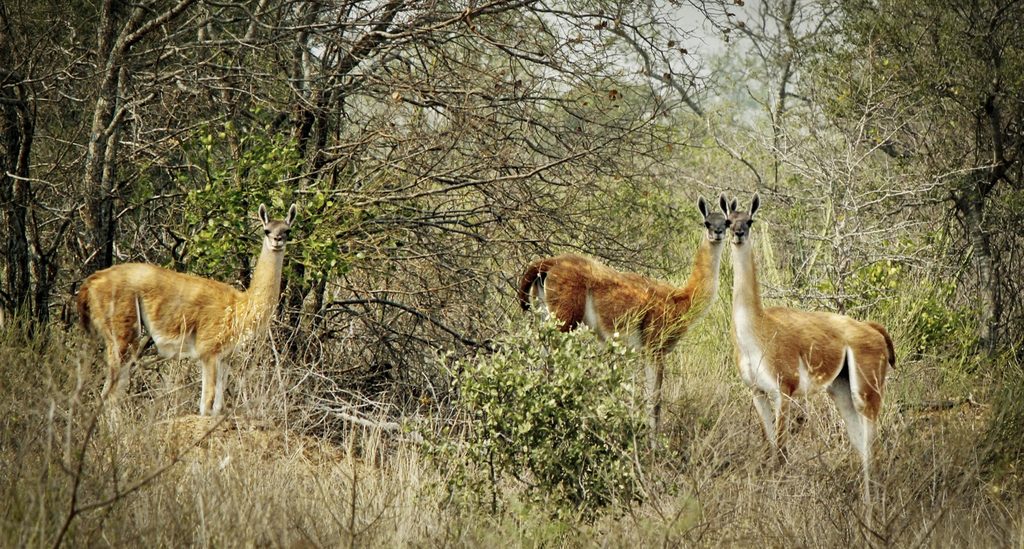
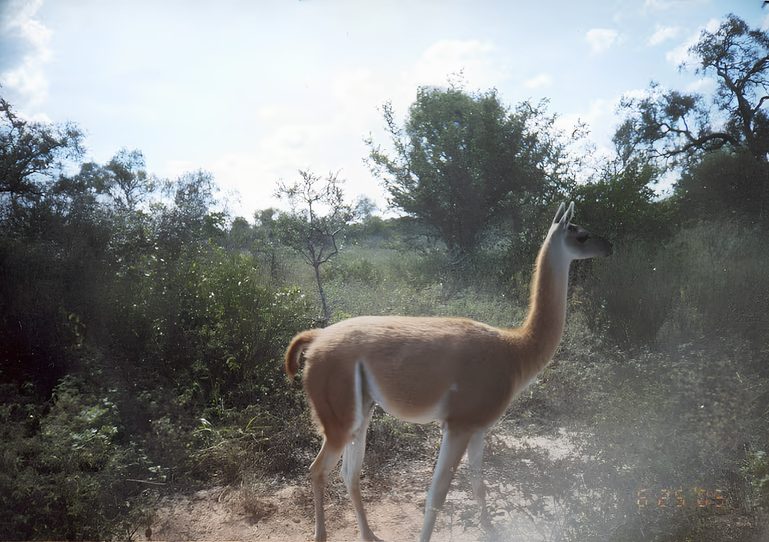
Among the park’s most distinctive animals is the guanaco, a wild South American relative of the llama. Its presence offers a different image of Paraguayan wildlife from the toucans and forest species encountered earlier in this series.
There are also records of armadillos, monk parakeets and crested caracaras in the park. These animals inhabit a landscape whose conservation value extends beyond individual species. Médanos del Chaco forms a core area of the Chaco Biosphere Reserve, protecting its natural communities and scenery together.
Water beneath the dry landscape
Despite its dry appearance, water is central to the park’s importance. Its territory covers part of the Yrenda aquifer system, a major underground freshwater resource in the Chaco. It also includes a substantial section of the Timané River.
The landscape carries human history, too. Remains of the Chaco War can still be identified, including trenches and vehicle remnants, among its historical features. The region is also ancestral territory of Guaraní Ñandeva and Ayoreo peoples, including Ayoreo living in voluntary isolation. Protecting it therefore involves natural heritage, historical memory and Indigenous rights.
Protection under debate
Authorities created Médanos del Chaco National Park on 12 August 2003. Its legal history soon became unsettled: a decree suspended the original declaration in February 2004, before another reversed that suspension in June.
Debate over its protection continues. In May 2026, Paraguay’s Ombudsman’s Office expressed concern about proposed legislation that could permit hydrocarbon and mineral activities inside the park. The congressional record currently lists the proposal as pending. The discussion highlights the competing pressures surrounding this protected landscape.
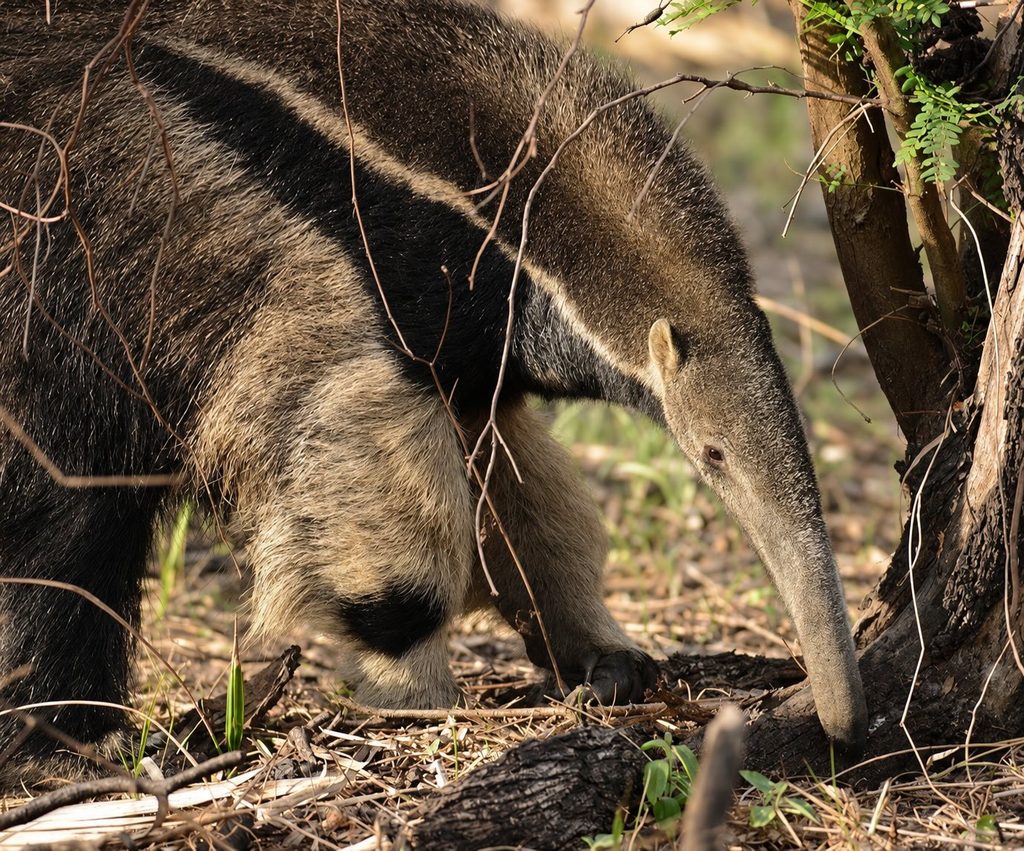
Myrmecophaga tridactyla
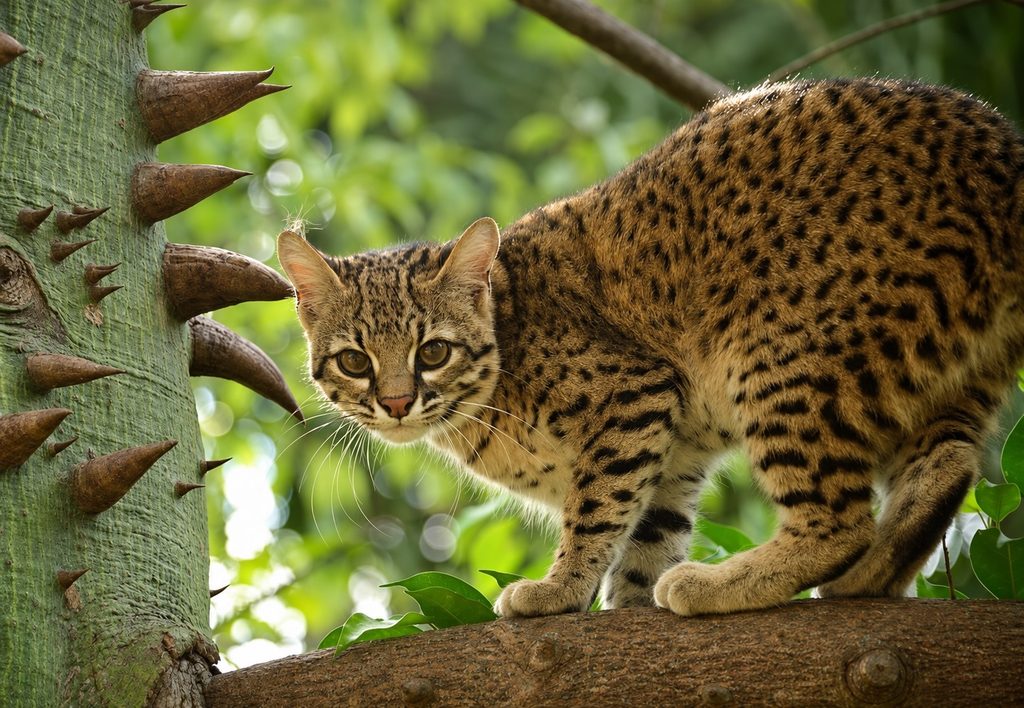
Leopardus geoffroyi
The tirika, or Geoffroy’s cat, is a small spotted wild cat found in Paraguay. It inspired Tiríka, the official mascot of the Asunción 2022 South American Games. The animal returned to the sporting spotlight through Tito and Tika, mascots of the 2025 Junior Pan American Games.
Visiting a remote protected area
Médanos del Chaco requires careful planning. Ministry of Environment and Sustainable Development (MADES) describes access along dirt roads from Mariscal Estigarribia, with conditions dependent on the weather. It lists regulated access and no fixed public visiting timetable.
Anyone considering a visit should contact MADES beforehand to confirm permission, routes and arrangements with park staff. Travel must respect restrictions protecting both the ecosystem and Indigenous peoples in voluntary isolation.
The end of this journey
From Caazapá’s toucans to the dunes of Médanos del Chaco, these eight episodes have explored several faces of Paraguay. Waterfalls, foundry ruins, battlefields, rocky hills and dry forests have each offered a different way to understand the country.
This series ends here, but the work of protecting these landscapes continues. Their future depends on decisions made beyond their boundaries, and on recognising the life and history they hold.
Read previous episodes of this The Asunción Times series:
Into The Wild #7: Serranía San Luis, A Refuge For Paraguay’s Cerrado Wildlife
Into The Wild #6: Wartime Trails Through Paraguay’s Teniente Enciso National Park