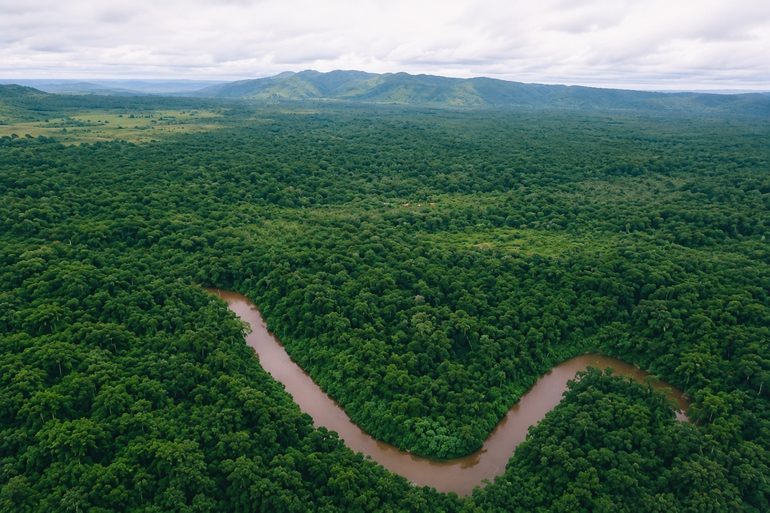

Paraguay’s national parks are some of the country’s most vivid landscapes, and some of its least told stories. Into the Wild, a new series from The Asunción Times, travels through them in chronological order, from the first park established to the most recent. The journey begins in Caazapá National Park, a lesser-known Atlantic Forest reserve of hills, streams and toucans, home to all five species found in Paraguay.
First stop: Caazapá National Park
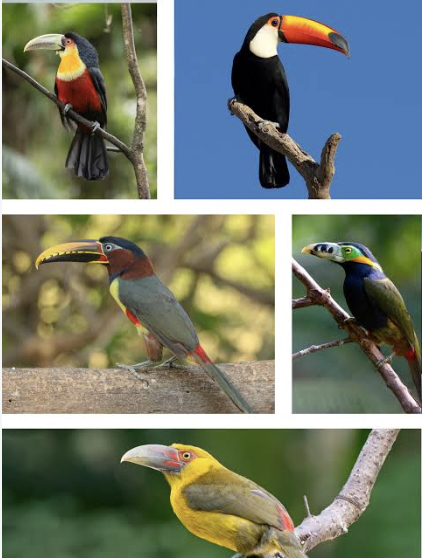
Five species of toucan flit through the trees of Caazapá National Park, sharing its Atlantic Forest with tapirs, giant anteaters, monkeys, peccaries and some 150 species of birds. It is a forest full of life, from creatures that move high in the canopy to those that wander through the undergrowth below.
The original name of the capital of Caazapá is San José de Caazapá. The word Caazapá comes from the Guaraní Ka’aguy Jehasapa, meaning “after the forest” or “beyond the woods”, a fitting name for a department where large areas of native forest remain.
The park is also a landscape of hills, streams, indigenous history and local religious tradition. Still, Caazapá remains less familiar to many people in Paraguay than some of the country’s better-known protected areas. This is the first stop in Into the Wild.
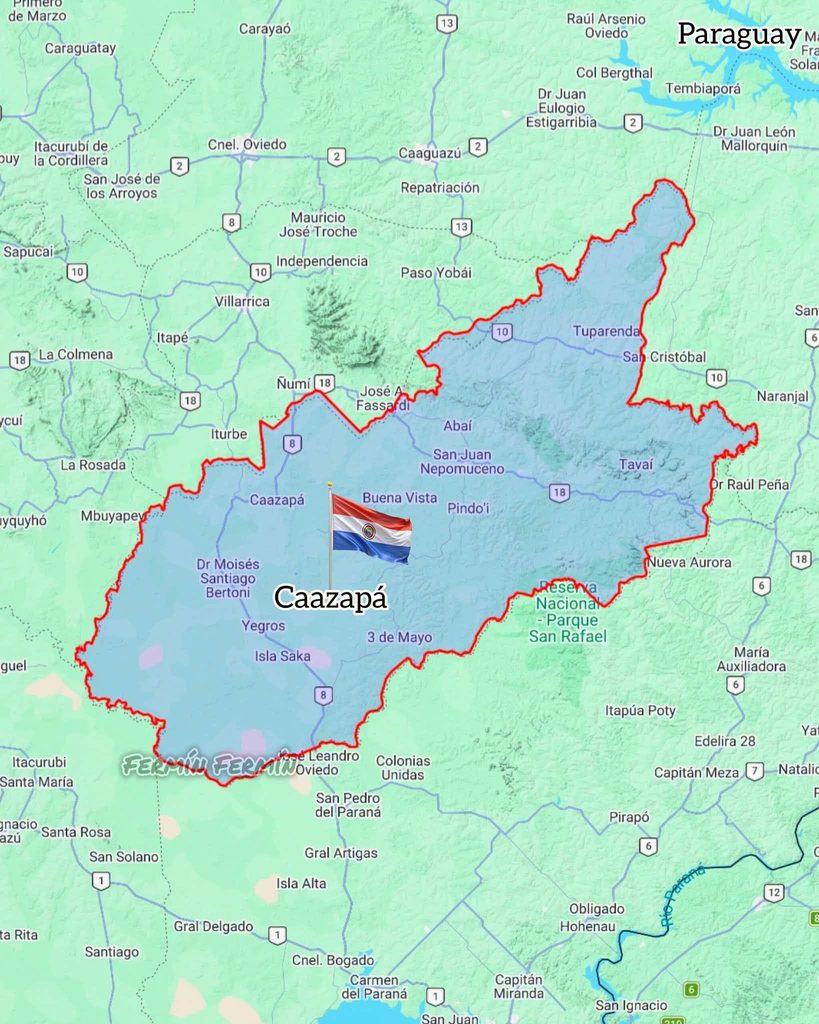
Caazapá at a glance
- Location: Caazapá Department
- Established: 1973, originally as Caaguazú National Park
- Current name: Since 2005
- Landscape: Atlantic Forest, hills, streams and springs
- Wildlife: Around 150 bird species, plus numerous mammals
- Standout feature: All five toucan species found in Paraguay have been recorded here
- Distance from Asunción: Approximately 260 kilometres
- Visiting hours: 07:00-17:00.
A forested corner of southeastern Paraguay
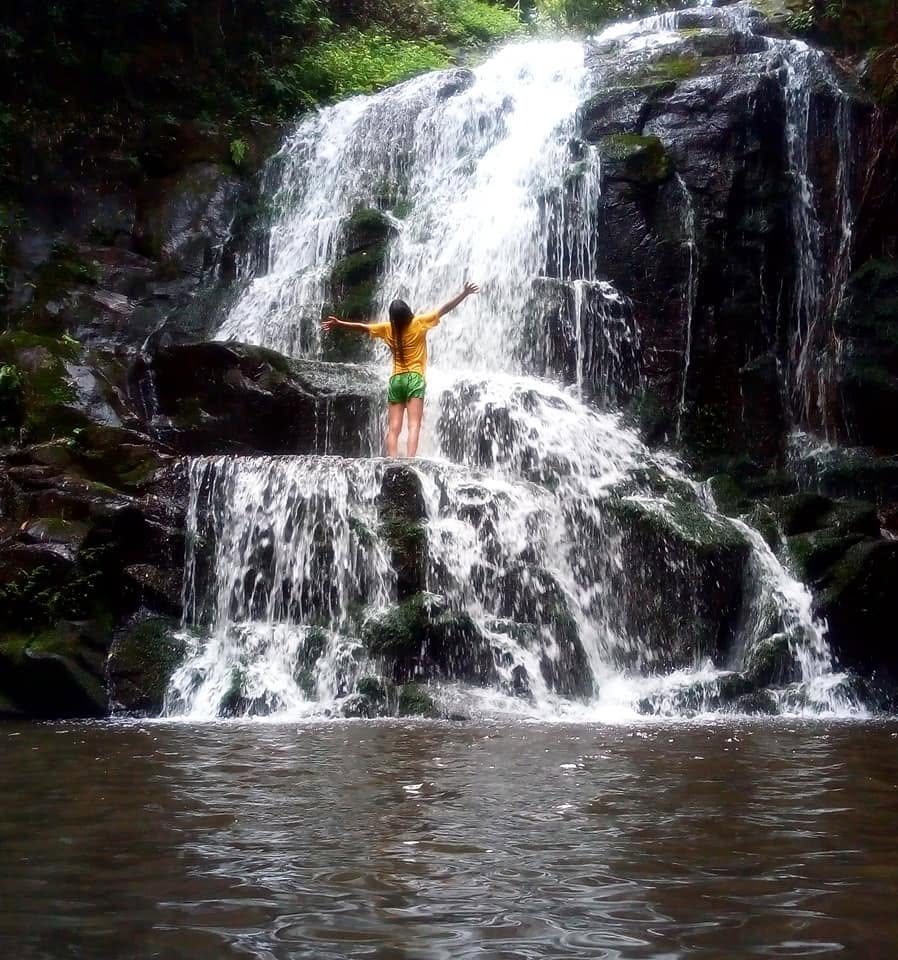
Caazapá shelters one of Paraguay’s remaining fragments of Atlantic Forest, an ecosystem that has been heavily reduced across the region. The park lies within the Caazapá mountain range, where dense, semi-deciduous subtropical forest covers hills cut by streams and springs. The wider area forms part of a watershed between the Paraguay and Paraná river basins, with the headwaters of the Monday, Ñacunday and Tebicuary rivers nearby.
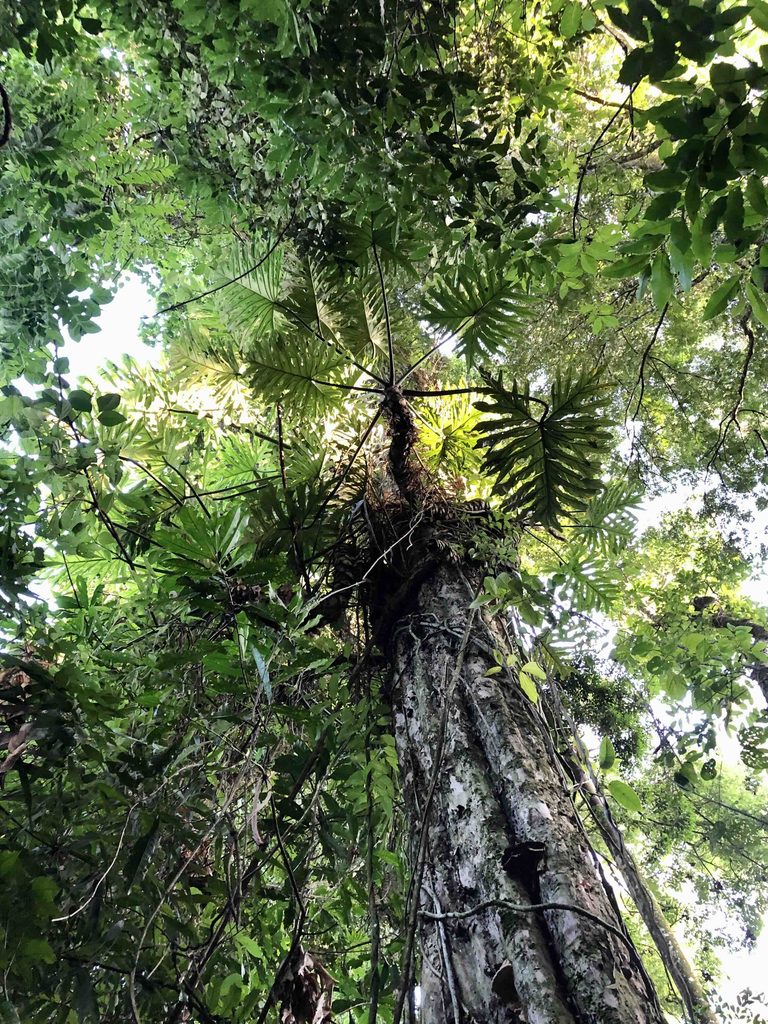
The forest has several layers, with trees reaching around 30 metres and a dense understory of ferns, grasses and broad-leaved plants. Orchids, bromeliads, cacti and other epiphytes grow among the trees, while wetter areas support abundant ferns and tree ferns, including threatened species.
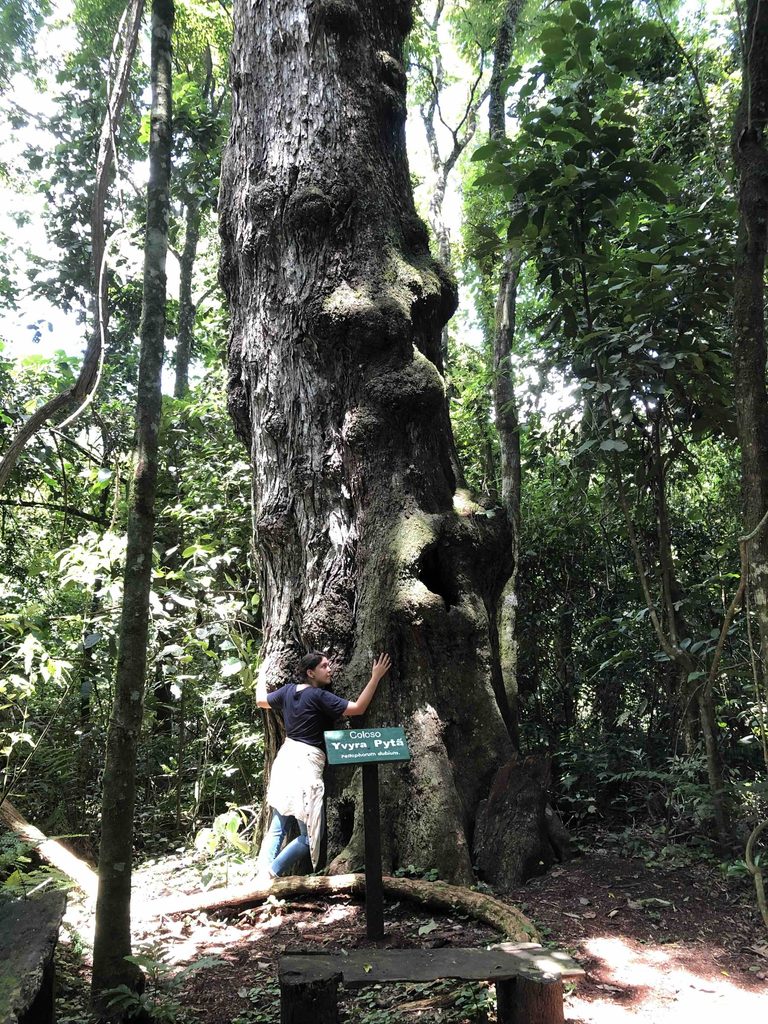
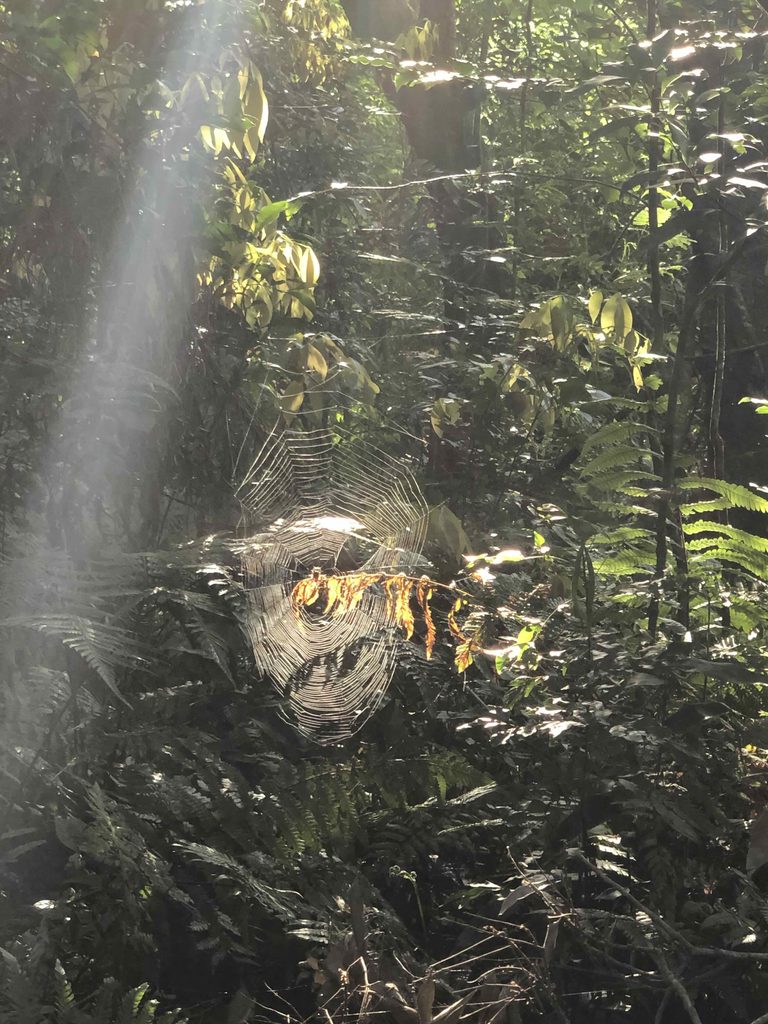
The department’s connection to its native trees is still visible today. In the ninth edition of the Colosos de la Tierra competition, Caazapá had already registered around 30 trees shortly before registrations closed, with the department aiming to surpass previous years’ numbers. The competition accepts native tree species measuring at least 20 metres tall or with a trunk circumference of at least three metres.
A forest full of birds
Birdlife is one of Caazapá National Park’s defining features. Surveys have recorded around 150 species, including the yabatinga, or black-fronted piping guan, robust woodpeckers and the rusty-breasted nunlet.
But the park’s most striking distinction is its toucans. All five species found in Paraguay have been recorded here, including the spot-billed toucanet. Its mature forest, streams and rolling elevations create a patchwork of habitats where a remarkable variety of birds can thrive, making Caazapá a destination sought out by birdwatchers looking to explore Paraguay’s diverse birdlife. Its biodiversity has also led to its identification as a Key Biodiversity Area of international significance.
From jaguars to freshwater crustaceans
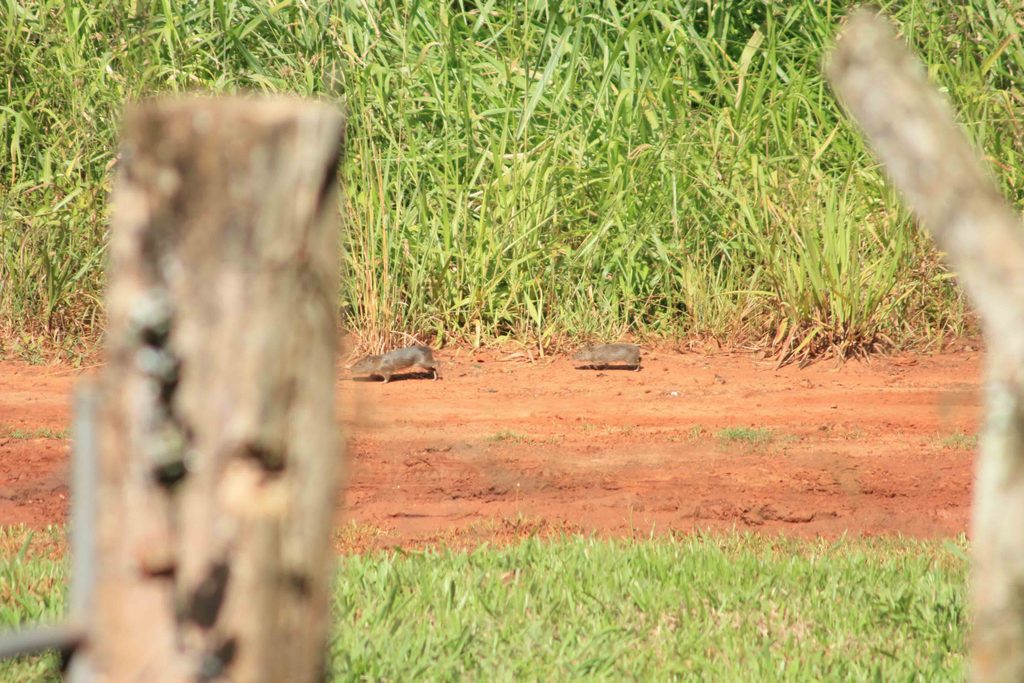
The park’s mammals range from agoutis and armadillos to tapirs, peccaries, monkeys and coatis. Jaguars have also been recorded, although sightings are uncommon, as have giant anteaters and several species of wild cats.
Caazapá’s biodiversity extends into its waterways. In 2003, researchers recorded a previously unknown genus of freshwater crustacean, Aegla, in the park.
A landscape with human history
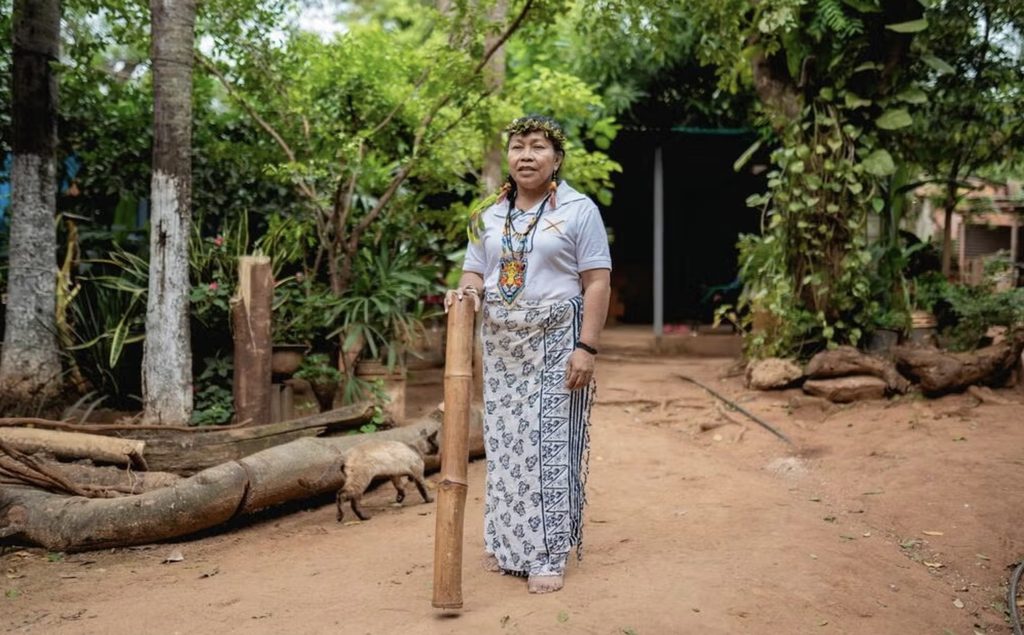
The forest is also part of a human landscape. Mbya Guaraní and Aché communities live in the surrounding region, which has long been associated with Indigenous peoples.
The park also contains Cerro Tupasy, a local pilgrimage site rising roughly 200 metres above the surrounding landscape. Natural limestone caves on the hill include one containing an image of the Virgin Mary.

How can you visit?
Caazapá National Park is open every day from 07:00 to 17:00. Visitors can walk trails, watch birds, photograph the forest and camp. The park is approximately 260 kilometres from Asunción, with access from the direction of Paraguarí and Villarrica. It can be reached by bus, or car. Conditions can change, so visitors should check current information on the MADES website before travelling.
Why Caazapá matters
Caazapá’s story is one of biodiversity and of a landscape shared across generations by people, plants and wildlife. Its forests shelter toucans, tapirs and giant anteaters; its streams sustain life; its hills and caves carry Indigenous and local histories. Human and natural histories come together here, shaping a landscape where every species, waterway and community forms part of a larger story.
That makes knowing the forest part of protecting it. The more we learn about the species that live there, the waterways that sustain them and the people whose histories are tied to the landscape, the more there is to understand, value and care for.
As Senegalese conservationist Baba Dioum put it in 1968: “In the end, we will conserve only what we love, we will love only what we understand, and we will understand only what we are taught.”