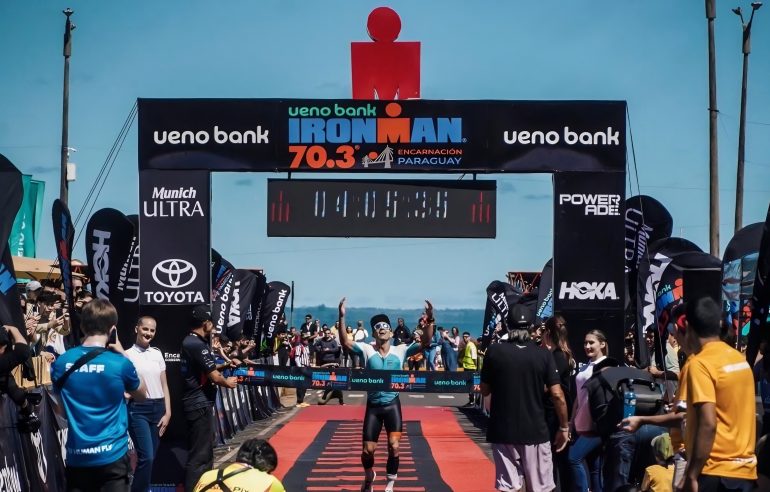

On 11 October 2026, Encarnación will once again welcome athletes from around the world for an edition of Ironman 70.3 Paraguay, further cementing the city’s place on the international triathlon map. Not long ago, training for a triathlon in Paraguay seemed like an ambition reserved for a select few.
Today, runners and cyclists fill Asunción’s Costanera and Ñu Guasú Park before sunrise, while communities such as Asunción Runners Club and the Paraguay Marathon Club continue to grow. International competitions and investment in sports tourism are encouraging more people in Paraguay to consider taking on one of the world’s toughest endurance races.
Completing an Ironman still demands commitment, patience and years of consistent training, but the opportunities available to aspiring triathletes in Paraguay have never been greater.
From a 5K to an Ironman
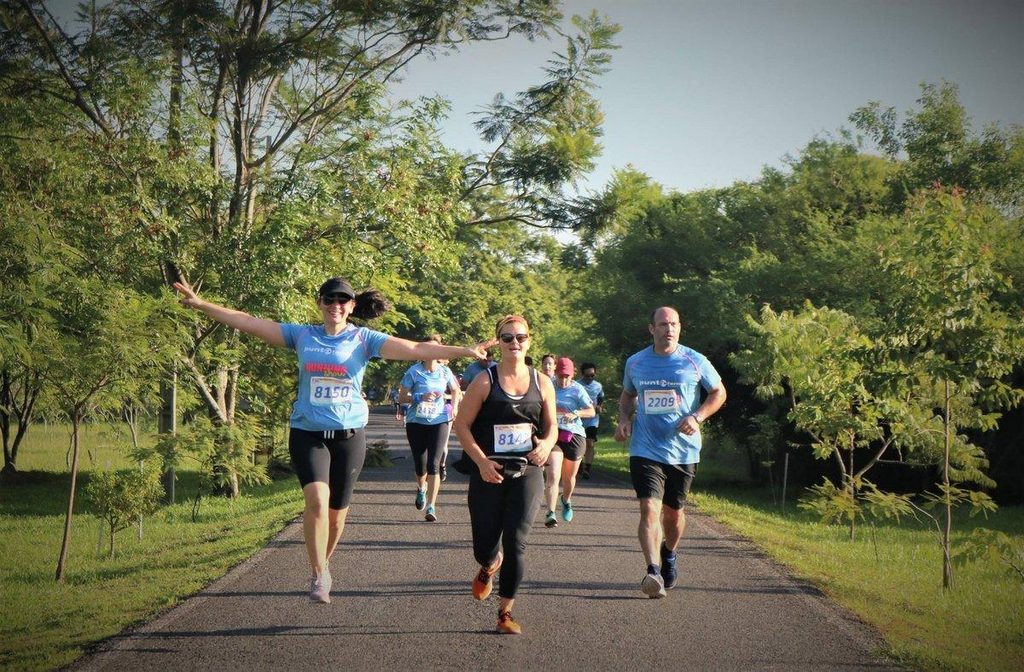
For most athletes, the journey does not begin with a triathlon. It starts with something much simpler: signing up for a local 5K.
Over the past decade, running has evolved from a solitary activity into one of Paraguay’s fastest growing sporting communities. Every week, hundreds of people gather in public spaces such as the Costanera and Ñu Guasú Park, either training independently or as part of organised running clubs.
As confidence and fitness improve, new goals naturally follow. The first 10K leads to a half marathon, then a full marathon. For some, that progression sparks an interest in an even greater challenge: triathlon.
Learning three sports instead of one
Unlike a road race, an Ironman requires athletes to master three very different disciplines. Swimming is often the first major hurdle. Being comfortable in a swimming pool is one thing; racing in open water demands technique, confidence and the ability to cope with unpredictable conditions.
Cycling presents another challenge. Besides the investment required for suitable equipment, long-distance training depends on finding safe roads or supplementing outdoor rides with indoor trainers.
Finally, athletes must learn to combine all three disciplines through so-called brick sessions, training workouts designed to prepare the body for the transition from cycling to running under fatigue. It is a process that takes months, and more often than not, several years.
Paraguay’s climate is part of the challenge
Anyone training for endurance events in Paraguay has one constant training partner: the weather. For much of the year, temperatures regularly climb above 35 °C, forcing runners and cyclists to train before dawn or later in the evening. Hydration, nutrition and recovery become just as important as mileage.
While the heat undoubtedly makes training harder, many athletes believe it also builds resilience for races held in similarly demanding climates elsewhere in the world.
A national investment in sports tourism
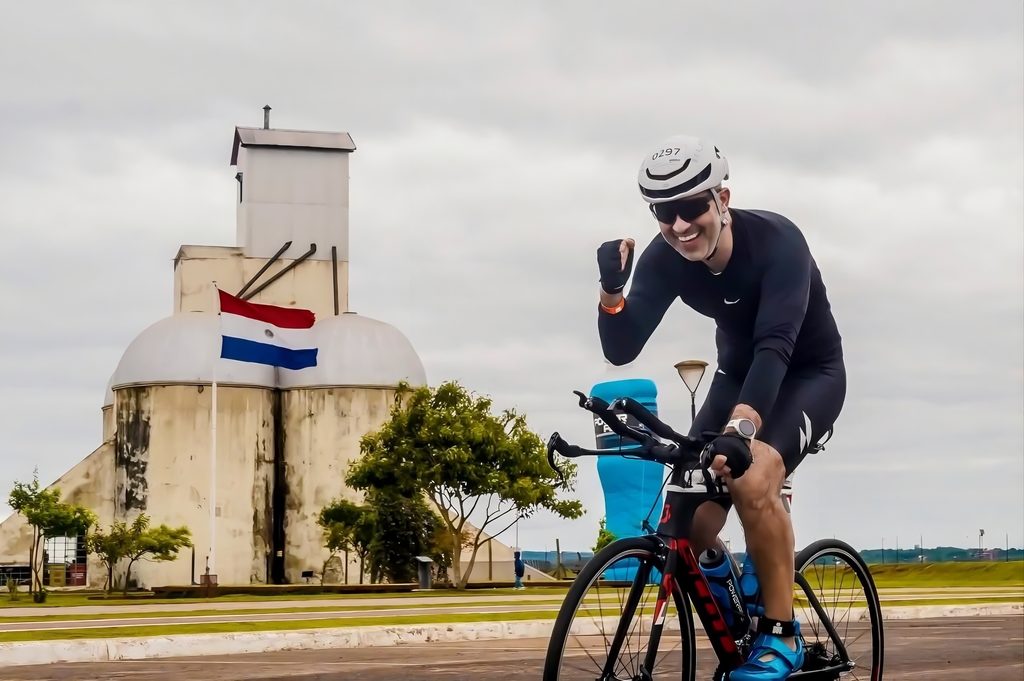
The rise of triathlon is not happening in isolation. It forms part of Paraguay’s broader ambition to establish itself as a destination for international sporting events.
In recent years, Encarnación has emerged as one of the country ‘s leading venues for endurance competitions by hosting the Ironman 70.3 Paraguay and Ironman 5150. Meanwhile, San Bernardino has strengthened its reputation through international events such as L’Étape Paraguay by Tour de France.
National authorities say both cities are emerging as sports tourism hubs, attracting visitors and showcasing Paraguay as a world-class host. For local athletes, this growth has created opportunities that scarcely existed a decade ago. International-standard events are now taking place on home soil, allowing Paraguayans to compete against athletes from around the world without leaving the country.
Paraguay earns its place on the triathlon map
The arrival of Ironman 70.3 Paraguay marked an important milestone for the country’s sporting landscape. Beyond bringing elite and amateur competitors together, the event signalled that Paraguay had become part of the international triathlon calendar.
Its impact extends well beyond race day. It has inspired more people to consider endurance sports, encouraged the growth of coaching and training communities, and shown that preparing for an Ironman no longer requires relocating abroad.
So, is it possible?
The answer is undoubtedly yes. Training for an Ironman in Paraguay still requires discipline, careful planning and long-term commitment. There are no shortcuts to completing one of the world’s most demanding endurance events.
What has changed is the environment. A growing running culture, expanding race calendars, stronger cycling and triathlon communities, and internationally recognised competitions have made the path far more accessible than it once was.
For some, the goal will always be to finish their first 5K. For others, it will be a marathon or a sprint triathlon. Yet for an increasing number of Paraguayans, the dream of crossing the finish line at an Ironman no longer feels out of reach.