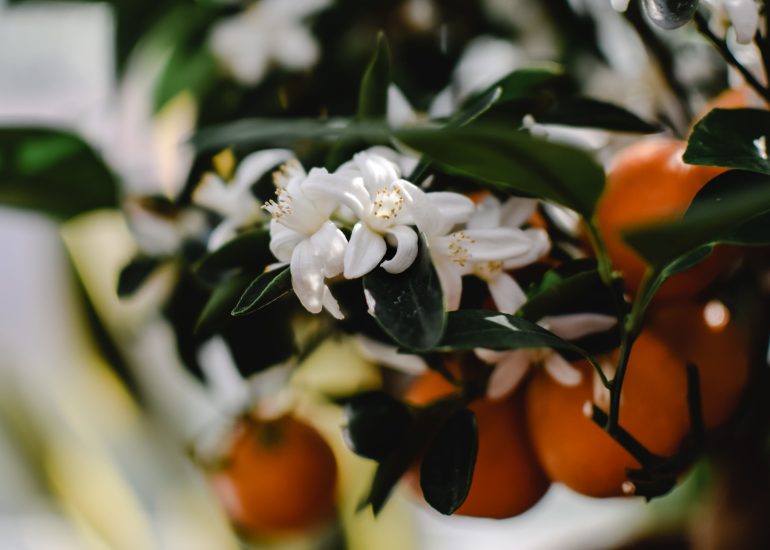

Paraguay grows a tree that ends up in the world’s most famous perfumes. The country supplies between 40% and 70% of the world’s petitgrain. This is an essential oil distilled from the leaves and twigs of the bitter orange tree. The exact share depends on which market segment is measured. Within fine perfumery and cosmetics specifically, around 70% of global supply comes from Paraguayan soil, according to estimates from Paraguay’s petitgrain exporters.
Local producers and exporters describe petitgrain as the country’s “green gold”. The petitgrain is a hidden asset that has quietly become essential to some of the world’s most prestigious perfume houses, particularly in France.
The oil is produced mainly in San Pedro, a department roughly 200 kilometres north-east of Asunción, and in Cordillera. San Pedro is already a leading agro-export hub, known for sesame, pineapple, and bananas. Smaller volumes of petitgrain also come from Itapúa and Caaguazú. Around 10,000 people work in the sector nationwide, tending plots that range from half a hectare to five hectares.
What is petitgrain and how is it made?
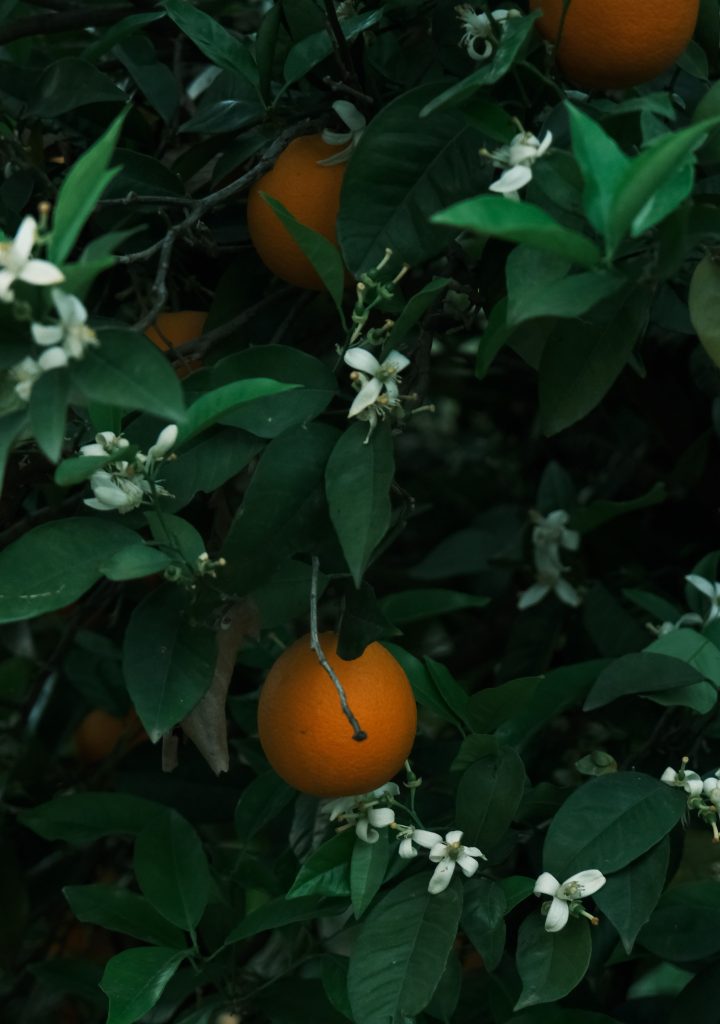
Petitgrain is a natural extract obtained through steam distillation. Producers use the leaves, twigs, and immature fruit of the bitter orange tree. The tree is known scientifically as Citrus aurantium and locally as naranjo agrio. The result is a citrus, floral, and green-smelling oil. Perfumers use it as a top and heart note in unisex fragrances.
The tree itself is not native to Paraguay. It was introduced from Asia in the nineteenth century. It then adapted unusually well to local conditions, which helps explain the country’s dominance today. Producers say Paraguayan soil gives the oil a quality that growers elsewhere have struggled to match.
The leaves must be picked by hand to preserve their aroma and quality. This manual process is one reason the trade still employs thousands of rural workers, rather than relying on machines.
“Paraguay has the best petitgrain in the world”
That assessment comes from Pierre-Christian Soccoja, the French Ambassador to Paraguay. He says French perfume makers import Paraguayan petitgrain for use in most of the country’s perfumes. The volumes involved, however, remain limited. France holds a positive trade balance with Paraguay overall. Total bilateral trade in goods and services reaches approximately €120 million.
That €120 million figure covers all trade between the two countries, not petitgrain exports alone. Even so, it shows the scale of the wider commercial relationship that petitgrain now anchors.
A rural trade with a French origin story
The industry traces back to 1875, when French botanist Benjamin Balansa arrived in Paraguay. He documented naturalised citrus forests growing east of the Paraguay River. A year later, in 1876, Balansa built the country’s first distillation still. It was designed to process the leaves, marking the start of Paraguay’s petitgrain industry.
Before Balansa’s still, local producers extracted essence only from the orange blossom itself to make neroli oil. His equipment made it possible to process large volumes of leaves instead. This allowed the trade to spread to farms across the eastern region.
What producers earn today
Producers currently sell pure bulk essence for around ₲380,000 per kilo. That is roughly US$64 at current exchange rates, based on 2025 data. Export firms then buy this raw output. They sell it on to fragrance manufacturers abroad.
One of the largest exporters is Amigo & Arditi SA. The firm ships between 50% and 55% of global petitgrain consumption, according to Mauricio Amigo, the company’s export deputy manager, in earlier public remarks. He says estimates put the number of producers in Paraguay at close to 10,000. Growing areas typically span half a hectare to five hectares.
A 2008 agricultural census remains the most detailed count available. The census registered 3,330 farms dedicated exclusively to harvesting petitgrain leaves. That figure sits within the wider 10,000-producer estimate, since many smallholders combine petitgrain with other crops.
A trade that reaches far beyond San Pedro
Petitgrain has become a rare example of a Paraguayan export that reaches the world’s luxury goods sector. Yet it remains rooted in small, family-run farms. Production is low-tech and labour-intensive. The harvest relies on manual work and small distillation units, rather than industrial processing.
For San Pedro and the other producing departments, the trade offers a steady source of rural income. Petitgrain joins a small group of niche Paraguayan exports, alongside chía and sesame, that have found a lasting place in demanding foreign markets. Demand for natural fragrance ingredients continues to grow. Paraguay’s position as the world’s leading supplier looks set to remain intact.