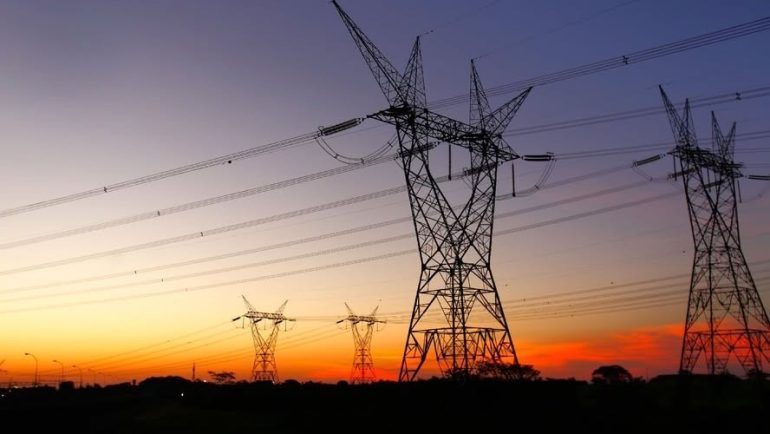

Paraguay’s national electricity consumption has recorded a substantial cumulative growth of 18.3% in the first half of 2026 compared to the same period last year. The National Electricity Administration (ANDE) released Paraguay’s electricity demand figures, which highlight both a dynamic national economy and a sustained increase in energy demand across the country. This significant rise underscores a period of accelerated activity and development, placing new demands on the nation’s power infrastructure.
The data points towards a consistent upward trend in power usage, reflecting increased activity in both industrial and residential sectors. Consequently, this surge is seen as a key indicator of the country’s economic health and forward momentum. The report from ANDE provides a detailed analysis of consumption patterns and the measures being taken to ensure the grid remains stable and capable of supporting this ongoing growth.
A detailed look at Paraguay’s electricity demand
Focusing on recent performance, the month of June alone demonstrated a notable increase in electrical demand. National consumption reached a total of 2,310,632 megawatt-hours (MWh) during the month. This figure represents an 11.8% increase when compared to the 2,067,602 MWh recorded in June of 2025. Such a significant month-on-month increase further solidifies the trend observed over the entire six-month period. The consistent growth points to a fundamental shift in the country’s energy needs, rather than a temporary fluctuation.
This heightened demand requires a robust and reliable supply chain to prevent any disruption to services. ANDE has been closely monitoring these developments to anticipate future requirements. The administration is using this data to inform its strategic planning, ensuring that both short-term needs and long-term expansion goals are adequately met. The figures are crucial for forecasting and for the timely implementation of infrastructure upgrades designed to enhance the capacity and resilience of the national power system.
Power generation sources detailed
Paraguay’s electricity demand during the first half of the year were met by its primary hydroelectric sources. The Itaipú Binacional dam was the leading supplier, contributing a massive 2,170,211 MWh to the national grid. This figure demonstrates the critical role that Itaipú continues to play as the cornerstone of the country’s electricity supply. Its immense generating capacity is fundamental to powering Paraguay’s economic activities and daily life.
In addition to the supply from Itaipú, other key facilities also made significant contributions. The Yacyretá Binational Entity provided 104,275 MWh of power. Furthermore, the Acaray Hydroelectric Power Plant supplied 36,120 MWh. Together, these three major hydroelectric plants formed the backbone of the nation’s energy provision, ensuring a stable and consistent flow of electricity to meet the sharply rising demand from consumers and industry alike.
Diversification of the energy matrix
Alongside the primary hydroelectric sources, Paraguay is also taking steps to diversify its energy matrix. A notable development in this area is the contribution from the new photovoltaic plant in Puerto Esperanza, located in the Chaco region. This solar facility successfully integrated approximately 26 MW into the National Interconnected System (SIN) during the period. Although a modest amount compared to the hydroelectric giants, this contribution is a significant milestone in the country’s strategic push towards incorporating renewable energy sources beyond water.
This initiative represents a crucial part of a broader strategy to reduce reliance on a single form of energy generation and to embrace sustainable alternatives.
Commitment to future infrastructure
In response to the evidence of growing demand, ANDE has reaffirmed its commitment to strengthening the national electrical system. The administration will continue to drive forward essential infrastructure works and strategic projects. The primary objective of these initiatives is to build a more reliable and efficient power grid that is fully prepared to support the country’s continued economic expansion. This involves not only increasing generation capacity but also modernising transmission and distribution networks.