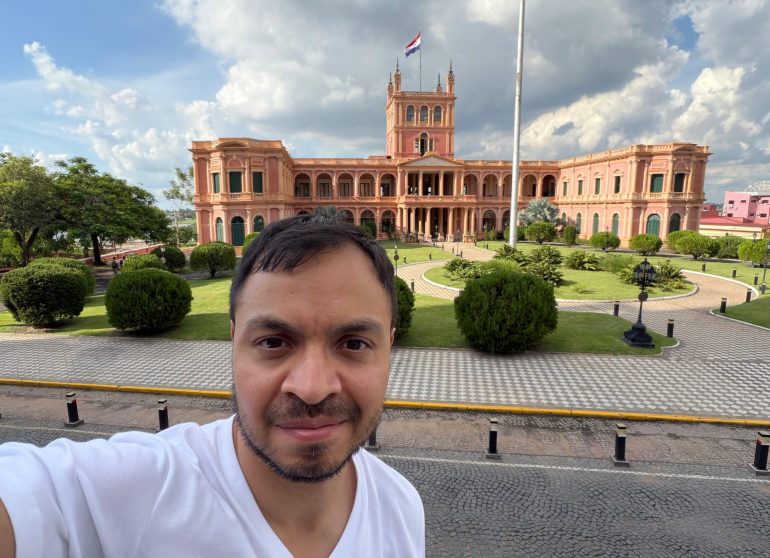

David Heinzerling (36) was adopted from Paraguay to the United States in the 90s, during a period when thousands of Paraguayan children left the country through international adoptions. After finding his biological family at 18, he wishes his story will draw attention to adoptees who continue searching for answers decades later. Read Heinzerling’s emotional story in this episode #2 in The Asunción Times‘ series Paraguay’s Lost Children.
Little more than a place written on adoption papers
For the first 18 years of his life, Paraguay was little more than a place written on his adoption papers. He knew he had been born in the country in 1990 and adopted by an American mother. Heinzerling watched old VHS recordings she made while waiting in Paraguay for a judge to approve the adoption. He knew he looked different from the woman raising him in New York City.
Yet the country where he was born remained an idea rather than a lived experience. Today, after having visited the country on five occasions, Heinzerling speaks with relatives in Paraguay several times a week, has restored his Paraguayan citizenship documents, and says he thinks about the country every day.
“I am American,” he tells The Asunción Times. “But I am also Paraguayan.” Heinzerling considers himself fortunate. “I am blessed. My family accepted me.”
Feeling Paraguayan
Heinzerling says his adoptive mother never hid the truth.
“As early as I can remember, she told me I was adopted from Paraguay. I did not really understand what that meant. I was just a happy kid. My mother also tried to preserve my connection with Paraguay. The judge overseeing the adoption asked her to promise that she would teach me about the country where I was born.”
“There are a lot of Spanish-speaking people, but not a lot of Paraguayans. I grew up in Manhattan, but in high school, my adoptive mom put me in a school in Queens to get to know other Paraguayans. And the point of the class was to teach the kids Guarani. I did not even speak Spanish.”
“So I went to the school with other Paraguayan immigrants who all spoke English and Spanish, but most of them did not speak Guarani. The school would play before class, the Paraguayan national anthem with the flag. And that was the first time I actually felt like I was Paraguayan.”
“I did not ask to find them”
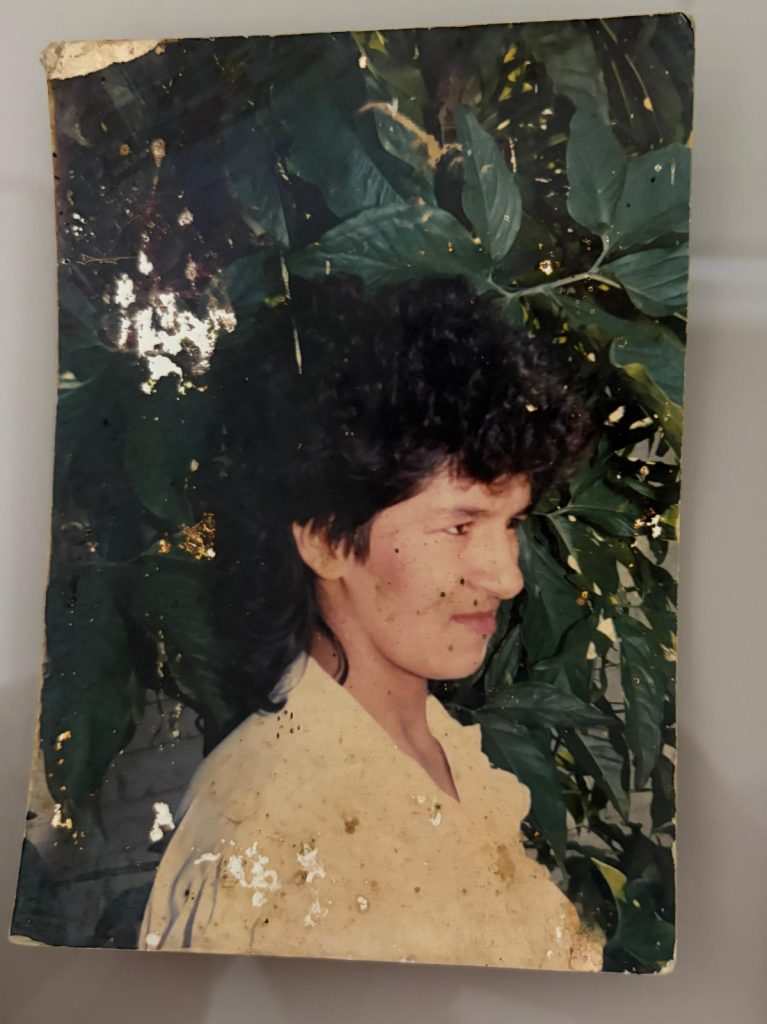
Everything changed when David Heinzerling turned 18. “I met my biological family because I was a lost kid, I was a lost soul. My adoptive mom saw that I was going down the wrong path in life, possibly, and I needed it for myself. I did not ask to see them, but my adoptive mom saw that I needed to see them, so she had an investigator find them pretty quickly. It took about one month. Once we knew my biological mother had been found, we booked the trip immediately.”
Nothing prepared him for what happened next.
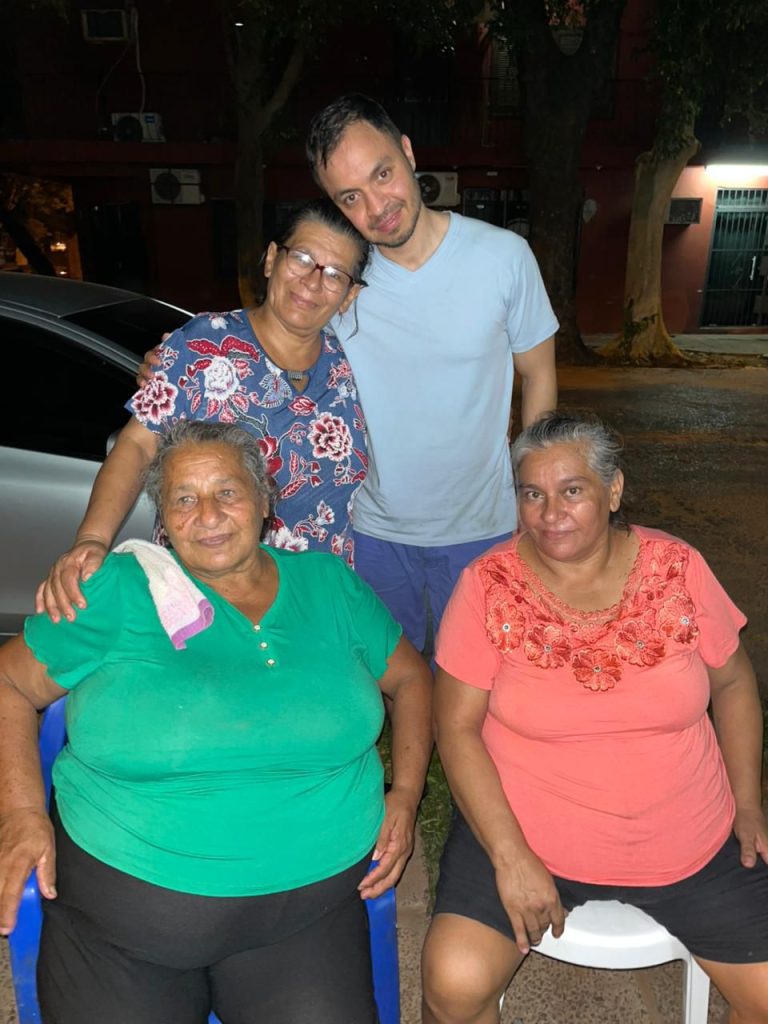
“I still remember meeting my biological mother with my brothers. I did not even know I had a family.” And a few days later, relatives invited him to celebrate his birthday in the city of Lambaré. “They had a cake and food. And they were playing cumbia and dancing. It was the first time I saw my Paraguayan family.”
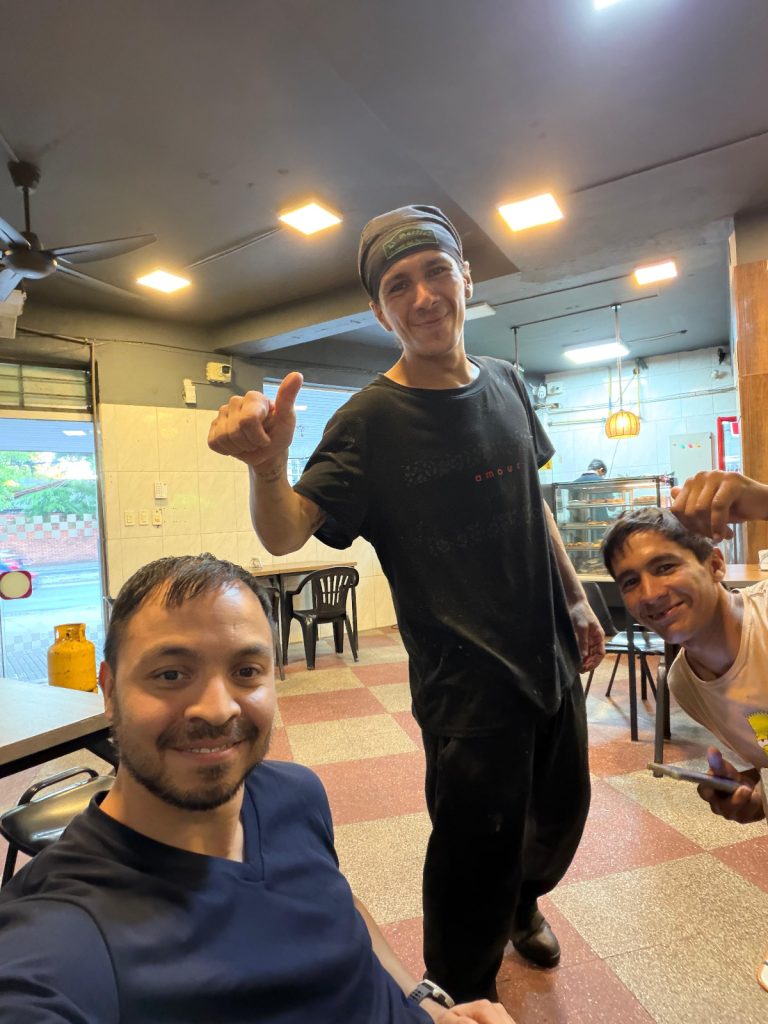
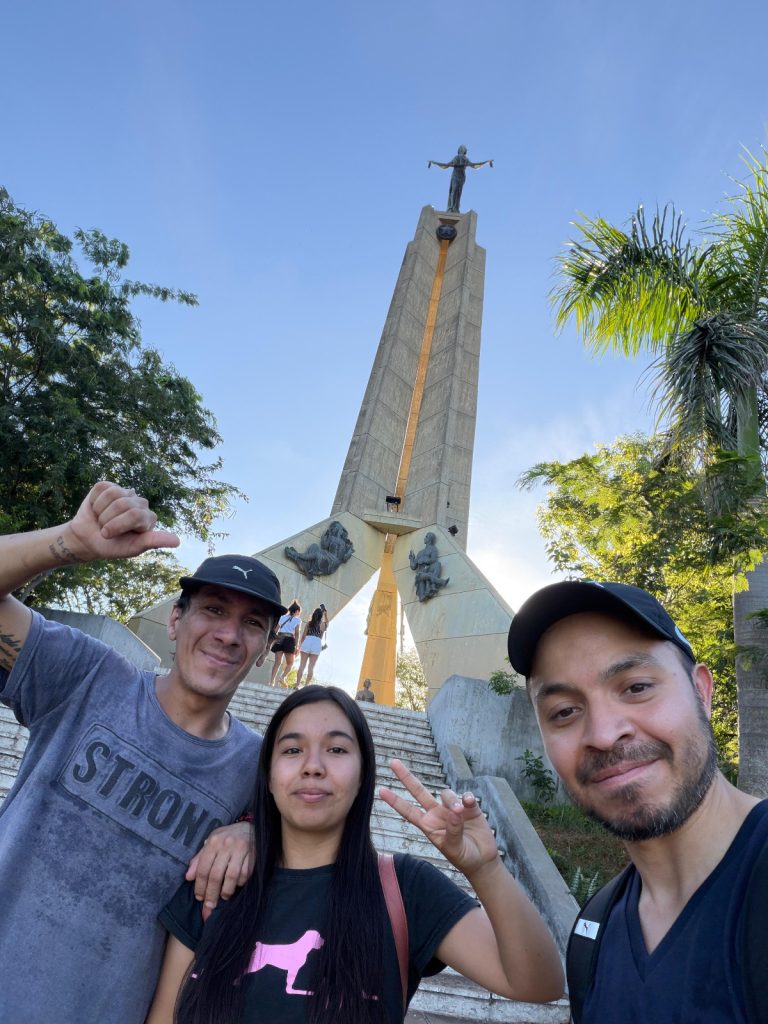
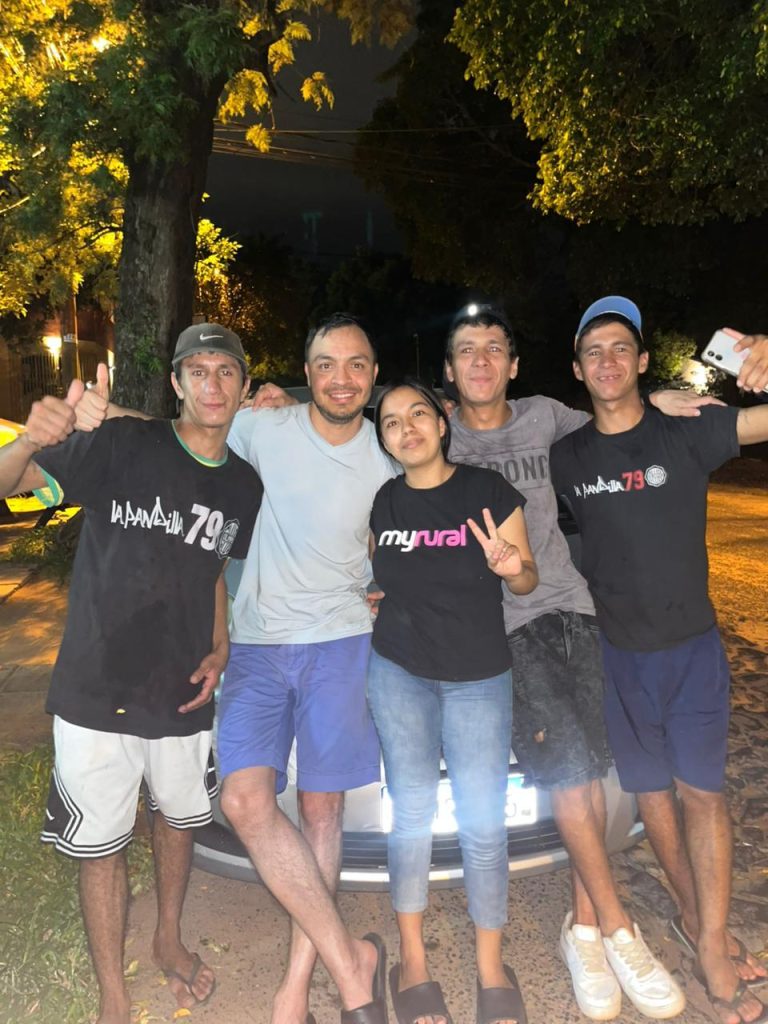
Learning a language to rebuild relationships
Returning to Paraguay inspired another challenge. David Heinzerling wanted conversations without translators. Over roughly a year, he taught himself Spanish through online lessons, videos, and constant conversations with relatives.
“I was speaking to my brothers and my little sister on WhatsApp before I travelled. I knew they were going to throw another party, and I wanted to understand everybody.”
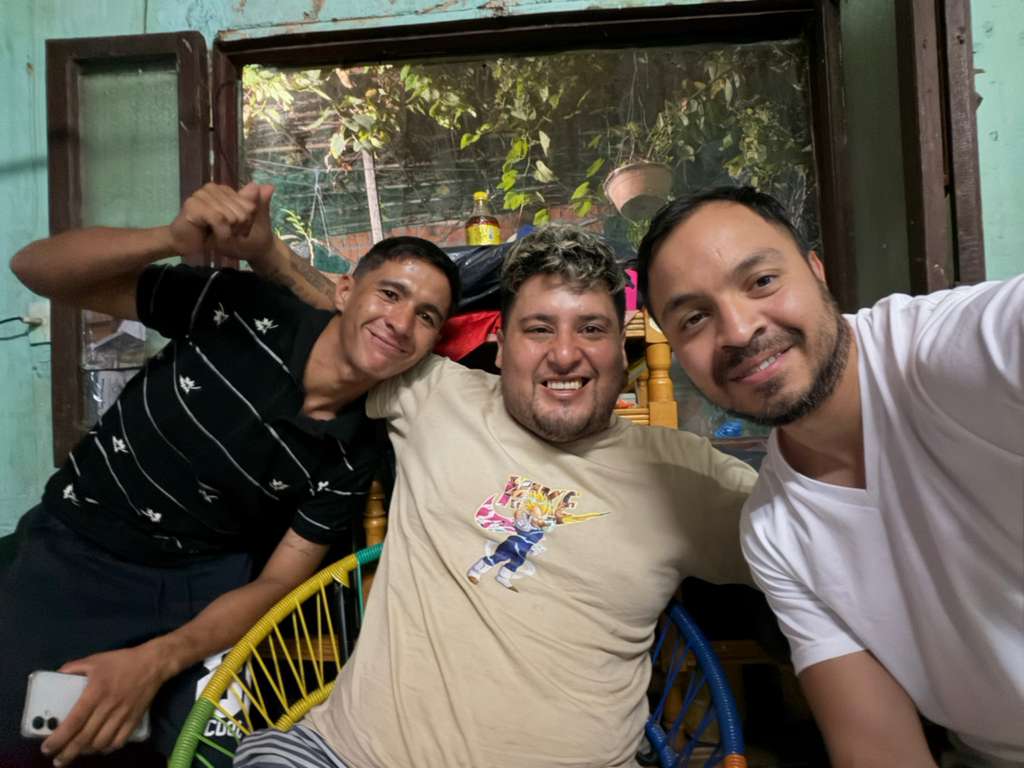
Today, conversations with his family have become part of daily life.
“I speak to my brothers, my cousins, and my aunt all the time. I think about Paraguay every day.”
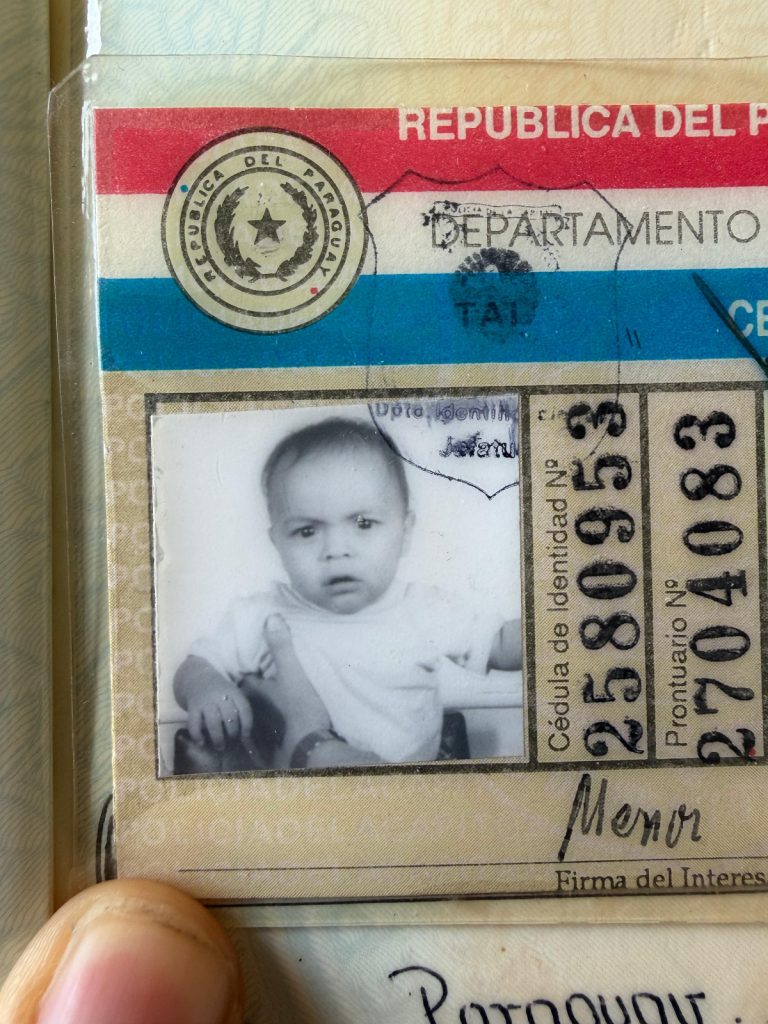
He has also restored his Paraguayan ID, making official something he already felt emotionally.
“I am technically a Paraguayan citizen,” he says warmly. And although Heinzerling found his biological relatives quickly, he knows many other adoptees have not.
“Some people would love to know who their families are. Some people have false paperwork.”
Those allegations have been documented in investigations into irregular international adoptions during the final years of the Stroessner dictatorship and the democratic transition. Human rights organisations have identified cases involving falsified documents and corruption, although experiences differ widely, and many adoptions were completed legally.
Looking forward
Now, David Heinzerling describes adoption with two seemingly contradictory words.
“I feel like it is almost a gift and a curse. Cause it hurt a lot to know that, yes, I was adopted, and I did not have a father, and I had to deal with some racism in the United States. It was not easy to deal with it, and a lot of identity issues that I had to go through. But when I think of it, I had the opportunity to go to college and get a master’s degree. And I am the first one in my family to have a master’s degree. I do not know if there is anybody in my family who has been to college.”
After completing university studies and a master’s degree in real estate finance, Heinzerling built a career in New York’s property sector. Rather than seeing his education as separating him from Paraguay, he believes it gives him something to offer.
“I would love to bring my knowledge to Paraguay one day. I want to help my family. And I want to help other Paraguayan adoptees.”
His two halves represent a life unfolding across continents, languages, and generations. He, now married and with a daughter, hopes his story sparks renewed conversations about the country’s history of international adoptions.