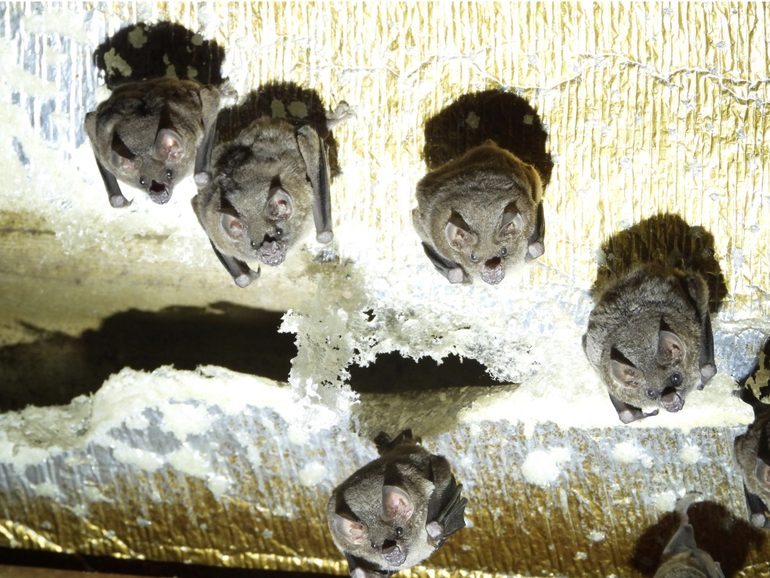

There is a word Gloria González de Weston wants you to learn: mbopi. It is the Guaraní name for bat, and for González, researcher, conservationist and coordinator of the Bat Conservation Programme of Paraguay (PCMPy), the word carries a meaning that goes beyond the word itself. It is a declaration.
“When I started using the word mbopi in meetings, it drew enormous attention,” she says in an interview with The Asunción Times. “The sense of national identity grew stronger. People felt it was theirs.”
On 1 October, Latin America and the Caribbean celebrate Bat Day, drawing attention to animals that are often misunderstood but play important roles in ecosystems. In Paraguay, much of that work is being driven by González, who has spent recent years rebuilding the country’s bat-conservation programme and connecting it to regional and global scientific networks.
Building a Paraguayan programme
When González attended her first meeting of RELCOM, the Latin American and Caribbean bat-conservation network, in 2019, she went alone. “I invited people. Nobody came,” she recalls with a laugh.
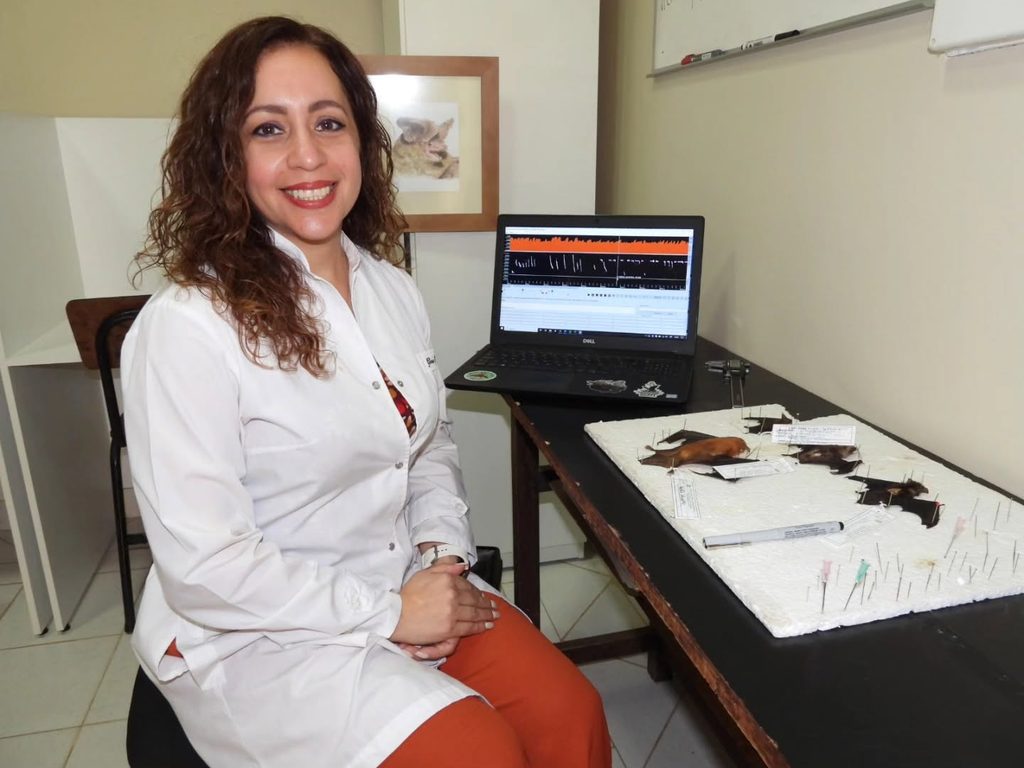
She had inherited a programme that barely existed. Instead of rebuilding it using borrowed frameworks, she redesigned it around Paraguayan identity. The logo was overhauled: a bat emerging from ñandutí flowers, the intricate lacework synonymous with Paraguayan craft. Guaraní terminology replaced generic Spanish, and outreach events became mbopi charlas (bat talks).
The PCMPy now brings together research, conservation, education and public engagement around the country’s bats. A growing community of researchers, many of them women, has developed around the programme, while volunteers run public talks and respond to community concerns.
Residents of an Asunción neighbourhood recently invited the team to their local plaza to understand why so many bats were living among them. “People say the bats invaded them. That is not what happened. They lost their space because we keep taking more of theirs.”
Discovering Paraguay’s bats
The programme’s work is also revealing how much remains to be documented. At the historic church in Yaguarón, a bat found inside the colonial temple turned out to belong to a species previously recorded only in Argentina, where it was first described.
“Today, that bat is only confirmed in Argentina and Paraguay. These things are enormously gratifying.” González is cautious about the finding because the full data are part of her doctoral thesis, which she plans to defend at the end of the year. Her supervisor has asked her not to disclose too much before publication. Findings like this reinforce the need for Paraguay to develop its own knowledge of the biodiversity within its borders.
“The bats of Asunción were here before we were,” she says. “Every foreign visitor who arrives says the same thing, how green this city is. It is green because of them.”
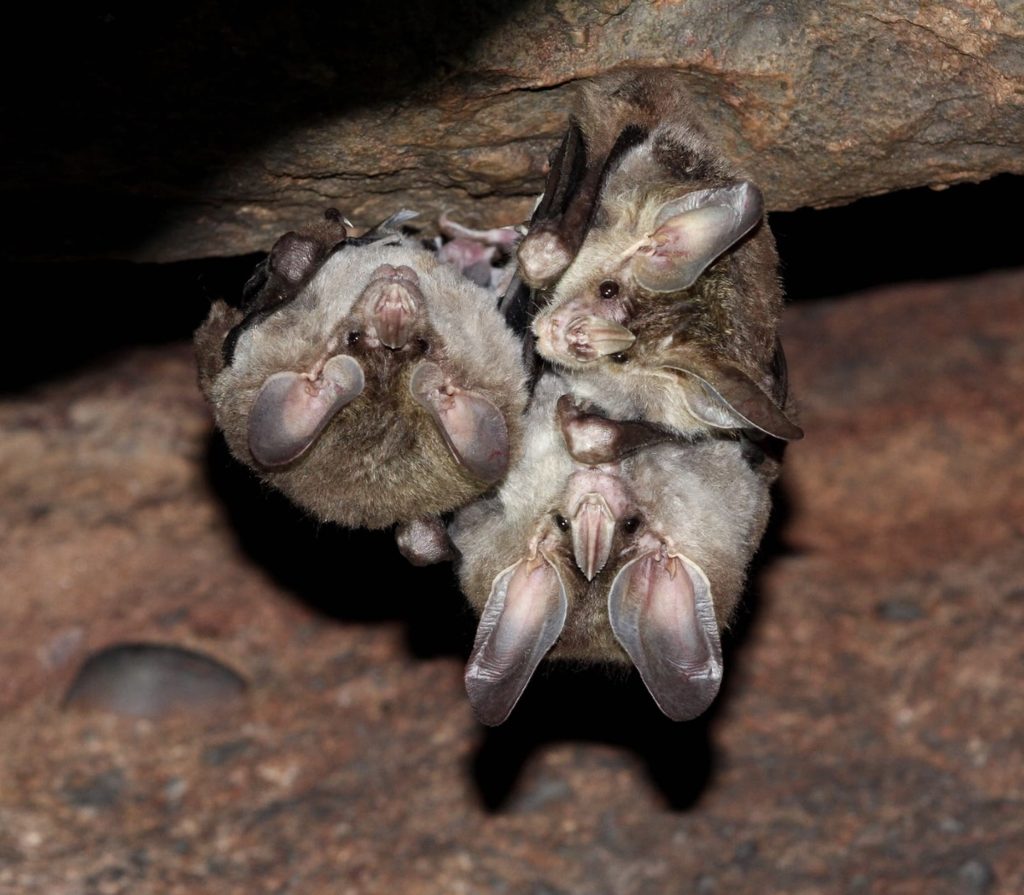
Credits: Dominic Oviedo
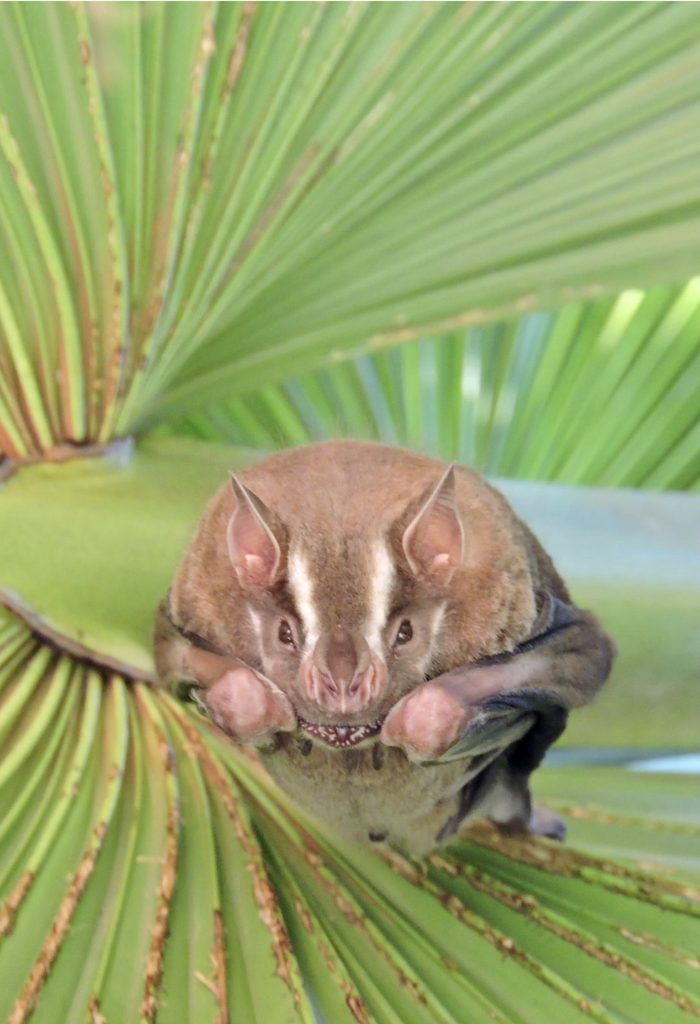
Credits: Estefanía Valiente
From Paraguay to the world
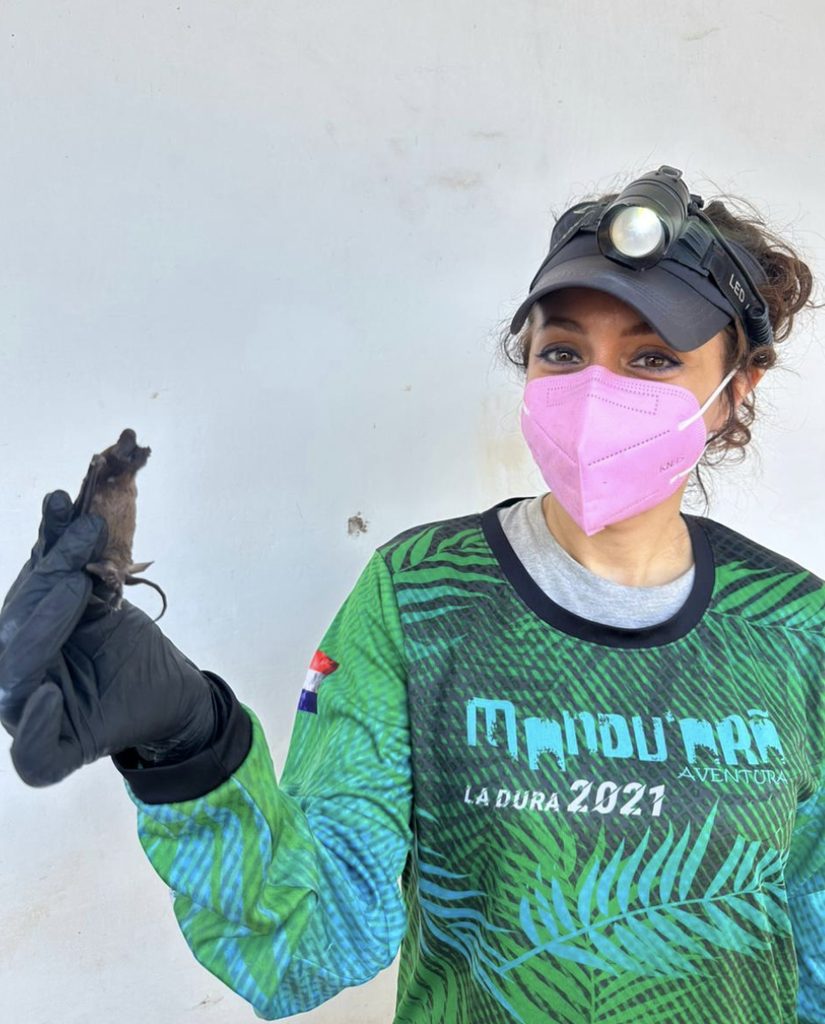
González’s work has also taken Paraguay into a wider scientific conversation. She now sits on RELCOM’s steering committee as incoming coordinator. The position overlaps with outgoing and current coordinators, helping preserve institutional knowledge as leadership changes.
Then, in 2022, she was selected as one of 20 emerging leaders worldwide for a scholarship run by the Global Union of Bat Diversity Networks, or GBatNet, funded by the US National Science Foundation. She was the only Latin American woman living and working within the region selected for the cohort.
GBatNet brings together 14 existing bat networks around the world, connecting researchers working on complementary aspects of bat diversity and facilitating collaboration on research, conservation and sustainability.
“I never truly believed they would select me. It was a dream. But you have to be prepared for when the opportunity arrives, and languages opened every door for me.”
The scholarship required recipients to design and lead a project with global impact. González’s project received funding and took her to Borneo, where she worked with echolocating bats in one of the world’s most biodiverse environments.
Building Paraguayan scientific leadership
The challenges remain considerable. Paraguay faces chronic underfunding, limited equipment and incomplete biodiversity inventories. González’s response to these queries remains practical.
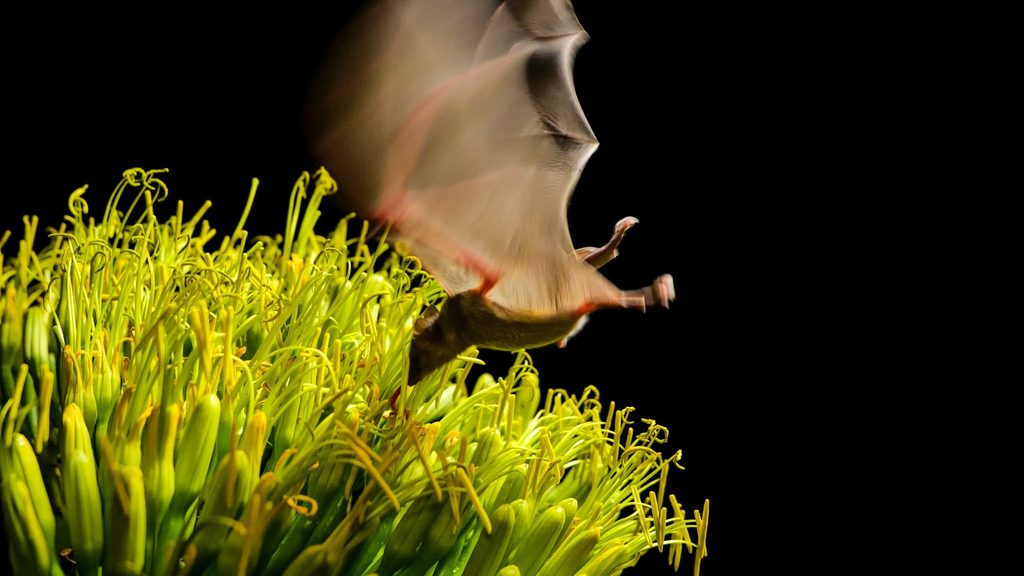
“We have no money, so we are creative. We cannot buy a table, so we make one from a door and some pallets. We learn whatever we need to learn. That is very Latin American, and I am proud of it.” She wants the next generation of Paraguayan researchers to lead research into their own country’s biodiversity instead of simply assist visiting foreign teams.
“We are just as capable as any other researcher. Precisely because of the obstacles, not in spite of them.” That belief runs through the PCMPy itself. The word mbopi, the ñandutí logo and the programme’s community outreach are ways of making bat conservation recognisably Paraguayan while connecting it to regional and global science.
On 1 October, as Latin America and the Caribbean mark Bat Day, we celebrate these remarkable creatures that play an essential role in keeping our ecosystems running, and the people working to better understand and protect them.
The PCMPy welcomes community participation, from attending mbopi charlas to becoming an active volunteer. The programme also holds an annual Christmas bat count, open to the public. Those interested in following its activities can find the programme through its social media channels, as well as through RELCOM and GBatNet.