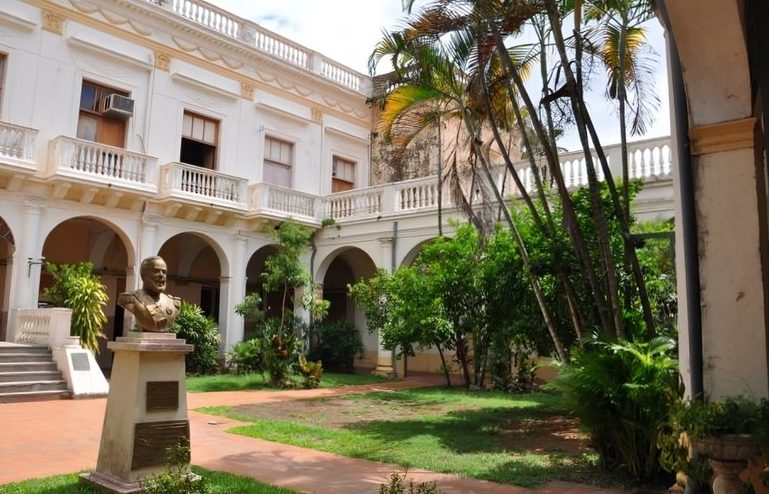

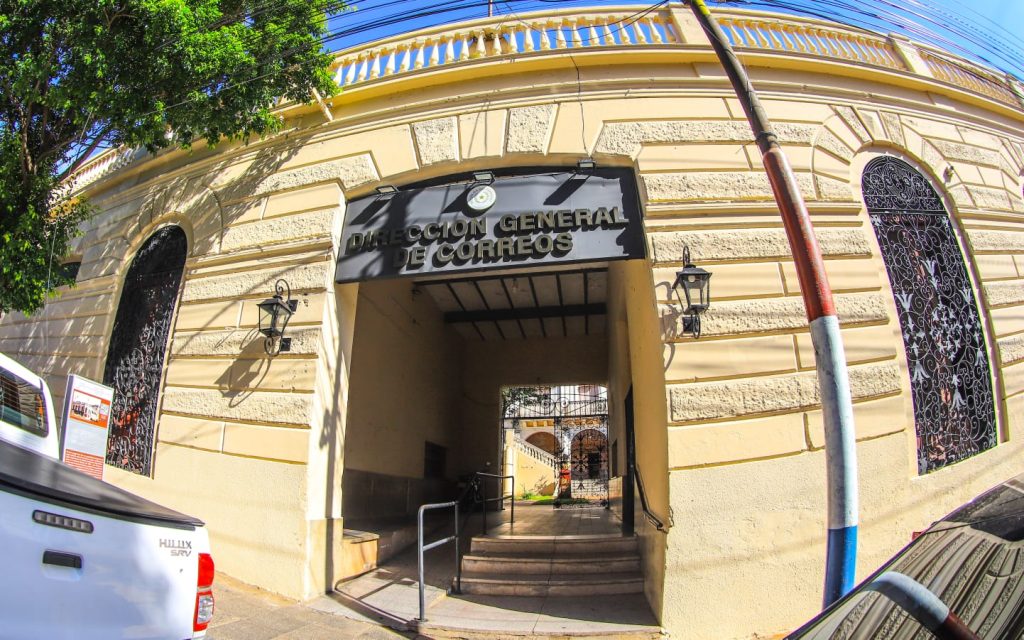
Patri Palace, located at the intersection of Alberdi and Benjamín Constant streets in Paraguay’s capital Asunción, houses the headquarters of the Paraguayan Post Office. Built for Italian immigrant and businessman Luigi Patri around 140 years ago, the historic mansion reflects the city’s architectural heritage and commercial past. Today, the building connects visitors with more than a century of postal history and remains part of Asunción’s historic centre.
From private mansion to public property
Luigi Patri commissioned the mansion as his residence during the late nineteenth century. According to historical records published by the Asunción Municipality, Patri acquired a city block in 1880 and hired Swedish architect Carlos Rehnfeldt to design his home. Construction dates vary across institutional accounts, although the Paraguayan Post Office places the building’s origins around 1885.
Patri established himself as an influential businessman in Paraguay following the War of the Triple Alliance. His commercial activities included livestock, railway investments and banking. He also held interests in agricultural enterprises, making him a prominent figure in the country’s economic development. His mansion reflected the wealth and social standing he achieved during this period.
An architectural landmark
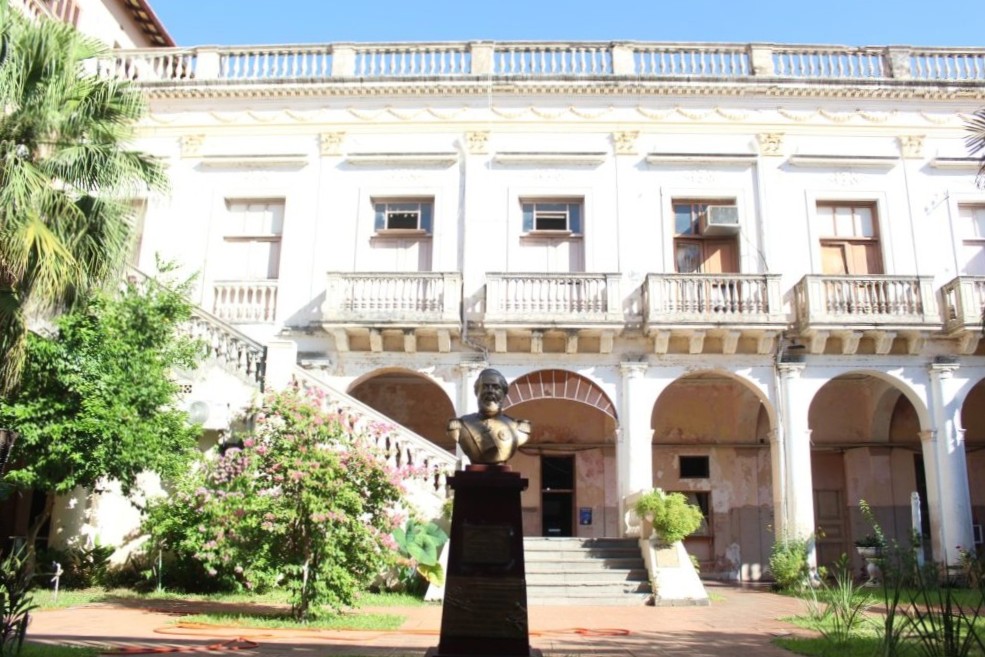
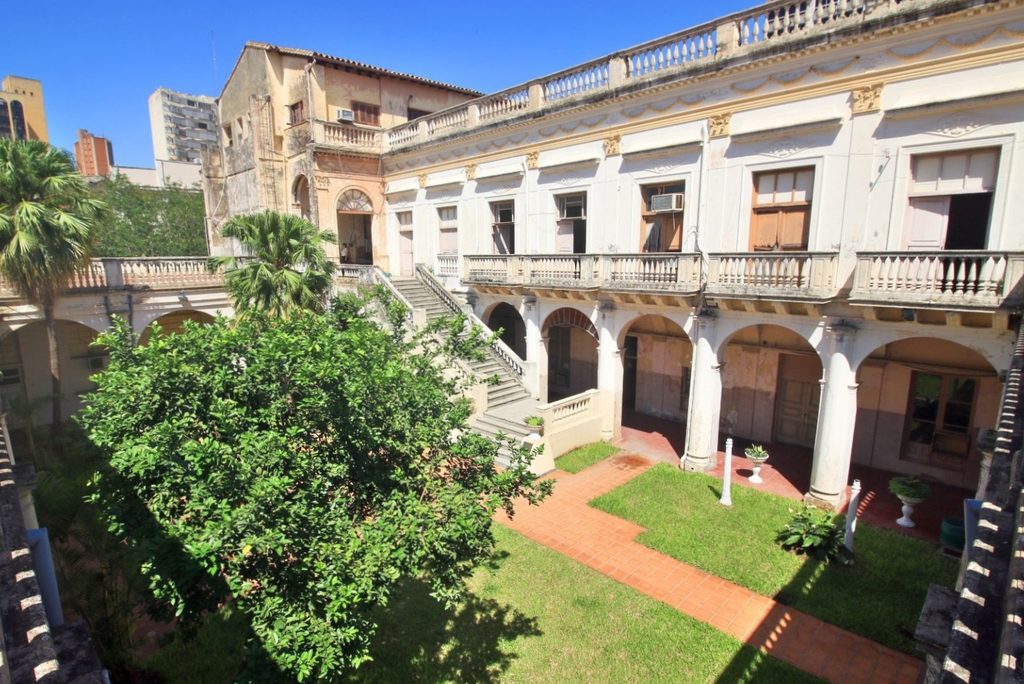
The Patri palace combines Italianate architecture with Baroque details, creating a distinctive presence among the surrounding buildings. Large carved pillars decorate the structure, while metal frameworks support its vaulted upper floors and roof. Builders also used stone from the quarries of Ypacaraí for the foundations and walls, reinforcing the building with metal structures.
Beyond its architectural features, the mansion becomes part of Paraguay’s sporting history. On 12 October 1903, Club Guaraní, one of the country’s oldest football clubs, was founded at the Patri residence. The building therefore preserves a connection to both Asunción’s commercial elite and the early development of Paraguayan football.
The birth of a postal landmark
After Patri’s death in 1904, the property eventually passed into public ownership. In 1912, the Paraguayan government purchased the mansion under President Liberato Marcial Rojas. Authorities initially intended to transform the residence into a presidential home, although the plan never materialised. Instead, the government assigned the building a new public purpose.
Since 1913, Patri Palace has served as the headquarters of the Paraguayan Post Office, known as Correo Paraguayo. The building’s role connects its historic architecture with the evolution of communication services in Paraguay. Over the decades, its rooms have accommodated postal operations, helping generations of residents send and receive correspondence and parcels.
Preserving the past for future generations
Patri Palace remains an important part of Asunción’s architectural heritage. Its historic exterior showcases the architectural influences that shaped the city during the late nineteenth century. Today, the building continues to house the Paraguayan Post Office, making it a familiar landmark in the city centre.
From the residence of Italian businessman Luigi Patri to the headquarters of the Paraguayan Post Office, the building has witnessed significant changes throughout Asunción’s history. Its architectural details and connection to the founding of Club Guaraní make Patri Palace an important part of Paraguay’s culture.
Also read: Senador Long: A Famous Asunción Street For A Man Who Never Set Foot In Paraguay