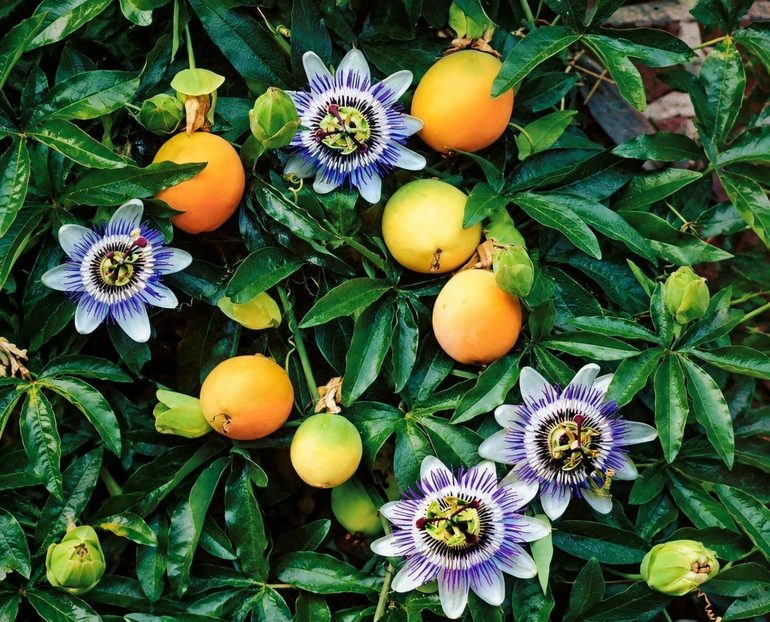

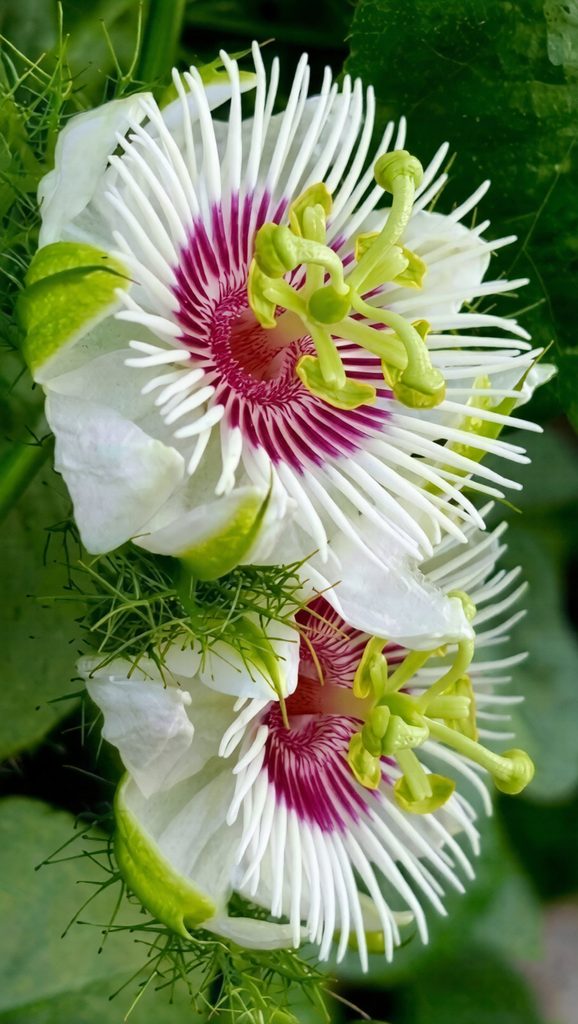
At first glance, the mburucuyá flower looks as though it has wandered straight out of Alice in Wonderland. Its intricate petals, delicate filaments and extraordinary centre seem almost too elaborate to belong to an ordinary garden. Yet this otherworldly flower holds a special place in Paraguay, where it is widely (and erroneously) regarded as the country’s national flower.
There is a particularly fitting reason to look at it now. On 21 September, every year, Paraguay welcomes spring and celebrates Día de la Juventud, or Youth Day. The date celebrates new beginnings, colour and vitality, while the mburucuyá, with its striking bloom, embodies the spirit of spring.
A flower with a Paraguayan name
Known as mburucuyá in Guaraní and as passion flower or pasionaria in English and Spanish, the plant belongs to the Passiflora genus. One of its best-known species, Passiflora caerulea, is a climbing plant with distinctive tendrils, lobed leaves and remarkable flowers. It also belongs to the same wider plant family as the maracuyá fruit.
There is, however, an important distinction to make. The official national flower of Paraguay is the mbocajá, or coconut flower. The mburucuyá is instead widely described and embraced by Paraguayans as a national flower, owing to its beauty, cultural significance and deep connection to Guaraní tradition. Its name alone connects it to one of the country’s most important indigenous languages and traditions.
When Europeans saw the Passion of Christ
The flower carries two very different traditions of meaning, one rooted in Guaraní culture and another introduced by Spanish missionaries and explorers.
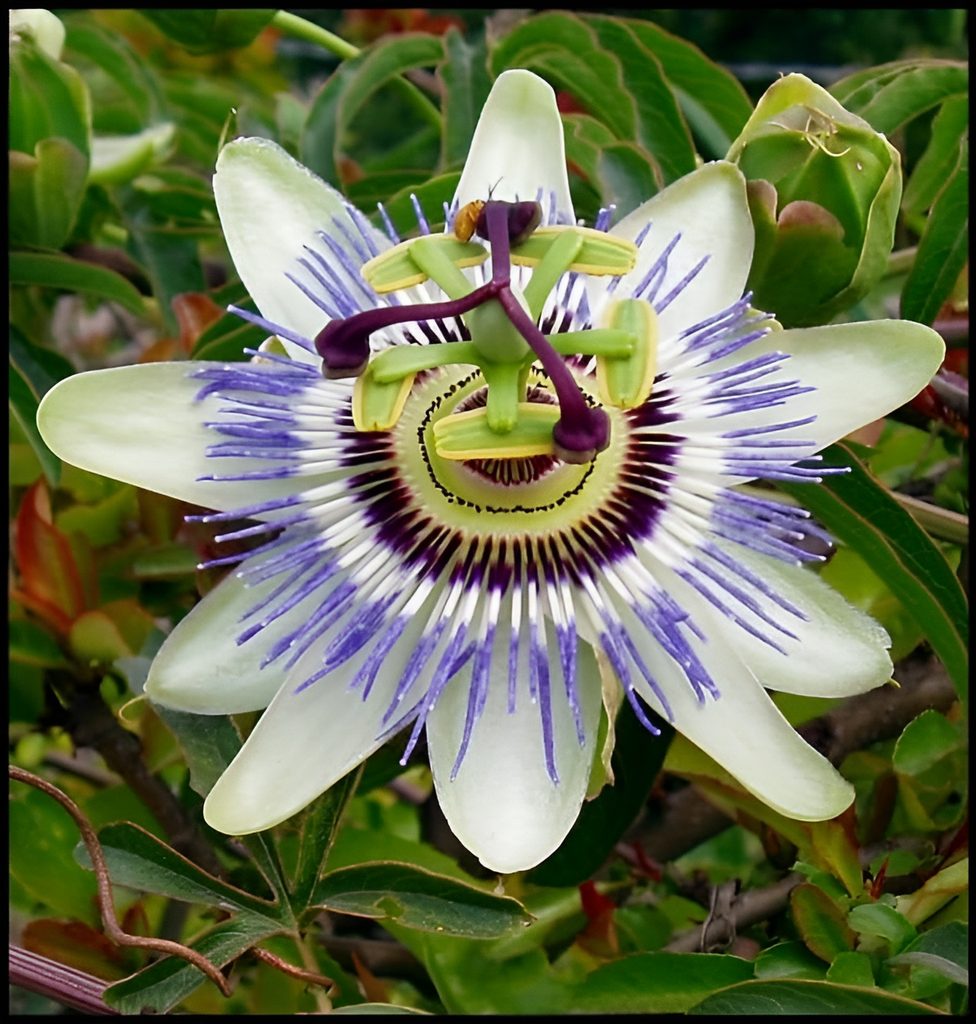
When the Spanish encountered the unusual flower in South America in the sixteenth century, they saw Christian symbolism in its elaborate structure. They interpreted the three stigmas as the nails of the crucifixion and the five anthers as the wounds of Christ. The corona surrounding the centre was compared with the crown of thorns, and the ten petals and sepals were associated with the apostles who remained faithful, excluding Judas Iscariot and Peter.
These interpretations gave rise to the name passion flower, or flor de la pasión. Its botanical name, Passiflora, comes from the Latin flos passionis, meaning “flower of the Passion”. The missionaries saw in the flower’s intricate structure a vivid representation of Christian faith.
A Guaraní story of forbidden love
The Guaraní tradition tells a much more tragic story. According to a popular legend, Mburucuyá was a Spanish maiden who secretly fell in love with a Guaraní chief. Her father opposed the relationship and, after discovering their meetings, killed the young man.
Overcome by grief, Mburucuyá buried her beloved before taking her own life with an arrow he had given her. From her grave grew an unfamiliar plant, bearing vivid flowers and fruit. The plant became associated with the passion and suffering of the two lovers, and its name became forever linked to the story.
From garden to Paraguayan table
Paraguayans value the mburucuyá for more than its symbolism. The plant has a long history of use in traditional medicine, including among Guaraní communities, where preparations were used for burns, wounds and inflammation. The flower is also traditionally associated with relaxation and sleep, and Passiflora preparations are commonly used in herbal medicine for nervous tension and insomnia.
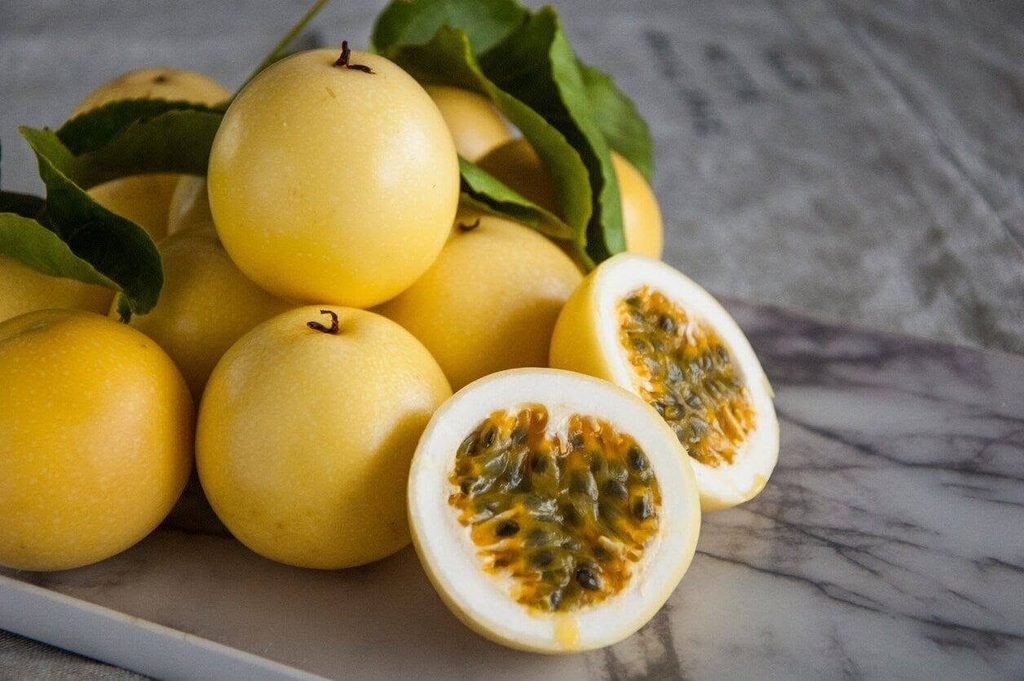
Its fruit has an equally important place in everyday life. Paraguayans eat ripe mburucuyá fresh or turn it into juices, desserts, sweets and jams. Its distinctive sweet-and-tart flavour has made it a familiar ingredient in Paraguayan kitchens.
A flower for the first day of spring
The flower itself is fleeting. It blooms in spring, opening in the morning before eventually fading later in the day, while its climbing stems wind their way around whatever support they can find.
Perhaps that is part of its enduring appeal. The mburucuyá brings together Paraguay’s indigenous heritage, colonial history, folklore, food and traditional knowledge in a single extraordinary flower. And on 21 September, as spring begins and Paraguay celebrates its youth, it offers an especially fitting image: something colourful, unusual and full of life emerging into the world again.