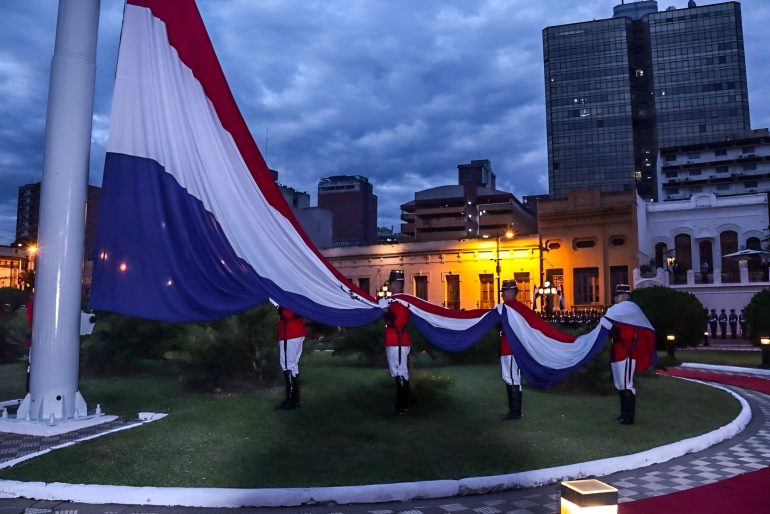

In 1846, a Uruguayan poet composed an anthem for a country that was not his own, and refused to accept a single coin for it. That gesture gave Paraguay one of its most enduring national symbols, a song whose origins are still debated and whose words are still sung every Monday morning in schools and football stadiums across the country. Every 20th of May, the country pauses to remember where Paraguay’s National Anthem came from, exactly 180 years ago in 2026.
A first anthem that no longer fitted the times
Before the current anthem existed, Paraguay already had its own song of identity, a patriotic poem sung entirely in Guaraní during the rule of the enigmatic dictator, Dr. José Gaspar Rodríguez de Francia, who governed the country from 1811 until his death in 1840. Francia saw the language as a statement, a declaration of who Paraguay was and who it refused to bow to.
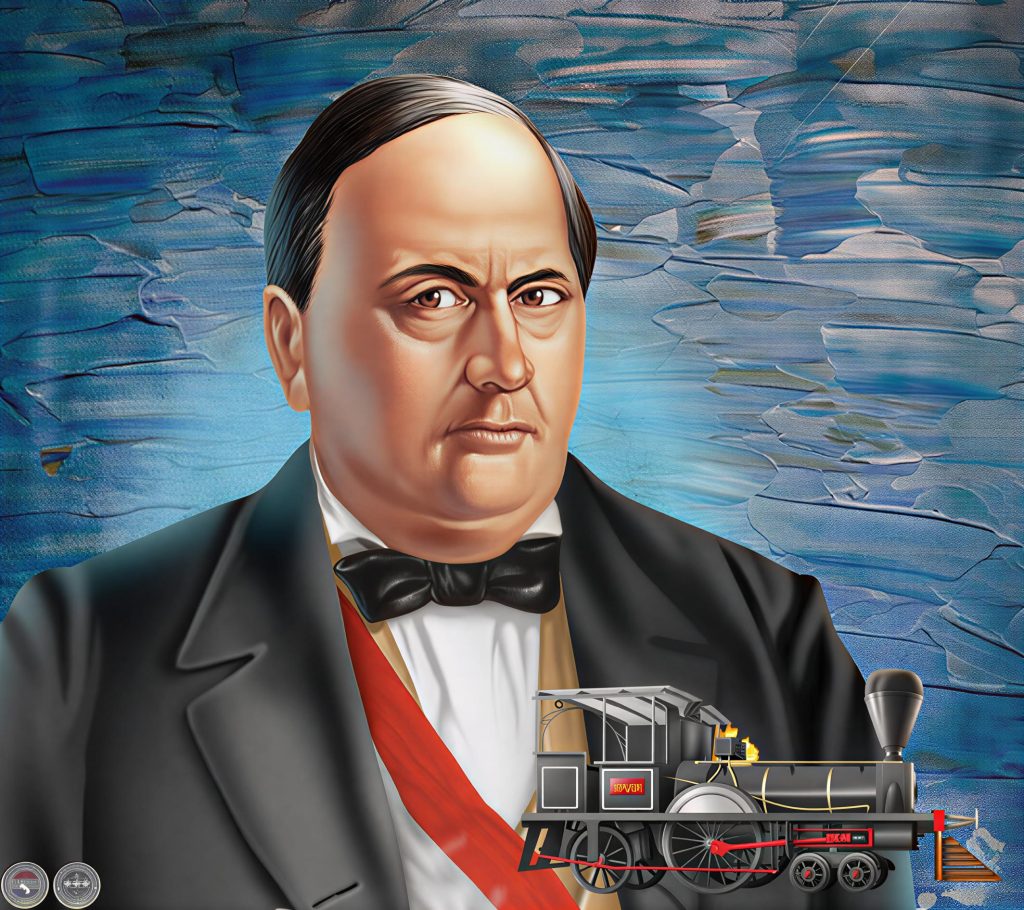
The verses were combative and raw, speaking openly of enemies, offences, and foreign oppression. For a country that had only just claimed its independence, the defiance was entirely justified.
When Carlos Antonio López came to power, the mood had shifted. Paraguay was entering an era of relative prosperity, and López had a grander vision. He translated the old poem into Spanish, but the translation did nothing to resolve his deeper discomfort. The talk of enemies and wounds no longer matched the image he wished to project. In his vision, Paraguay was a new Rome, prosperous, sovereign, worthy of admiration. He wanted verses that celebrated what the country had become, not what it had endured.
A gift from Montevideo
Efforts to commission a new anthem proved difficult. The most obvious candidate, celebrated Argentine poet Vicente López y Planes had quoted a fee far beyond Paraguay’s budget.
Then came an unexpected offer. Francisco Acuña de Figueroa, a Uruguayan poet who had already written his own country’s National Anthem, learned of Paraguay’s search and volunteered his services free of charge. On 20 May 1846, the lyrics arrived in Asunción, and Paraguay has marked that date every year since.
That he asked for nothing is a detail worth pausing on. He was a poet of considerable standing who had spent decades in public life, and offering his words as a gift to a neighbouring republic said something about the spirit of the age. He died in 1862, leaving Paraguay a gift it has been singing ever since.
Gone were the battle cries and grievances. In their place came something loftier — verses that spoke of the Americas throwing off colonial rule, of a fatherland whose glory the world applauded. In their place stood pride.
The question that remains unanswered
If the authorship of the lyrics is settled, the music is not. 180 years later, nobody knows for certain who composed the original melody. One leading theory points to Francisco Dupuis, a French bandleader who arrived in Paraguay in the early 1850s. Others point to Francisco José Debali, a Hungarian-born composer who also worked on Uruguay’s anthem. A third theory, supported by 2017 research, suggests that Italian composer Francesco Casale wrote the melody first for Uruguay before it was adapted for Paraguay.
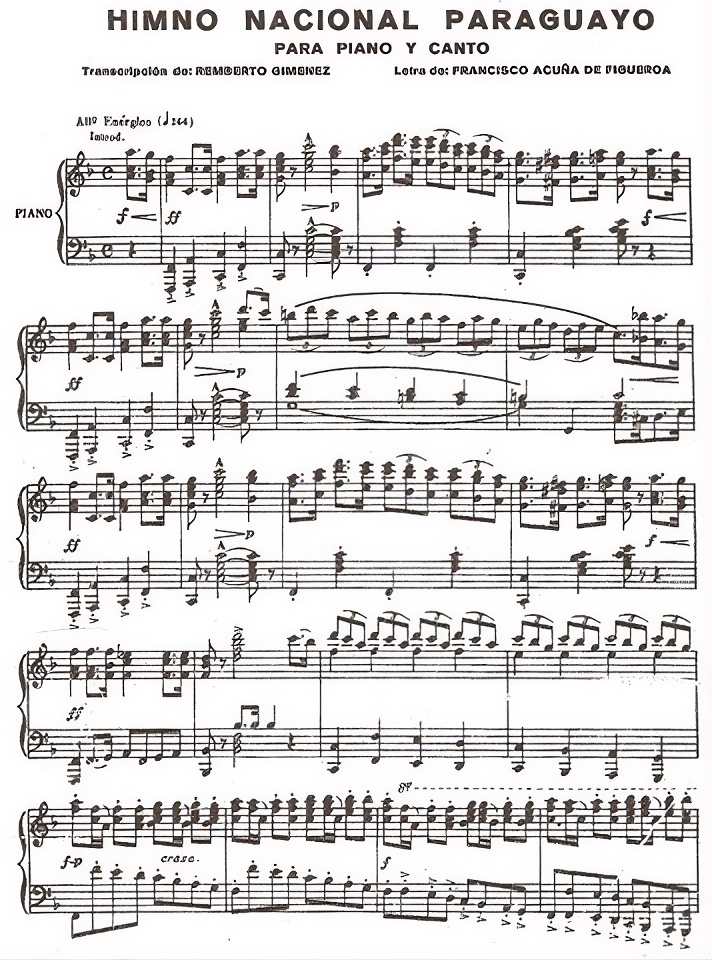
What history does agree on is that in 1933, Remberto Giménez arranged the version Paraguay still sings today. Whoever first wrote the tune, Giménez gave it the shape generations of people in Paraguay have come to recognise.
A song for every occasion, and every Monday morning
Paraguay’s National Anthem holds its place in public life firmly. It opens government acts, congressional sessions, diplomatic receptions, and presidential inaugurations. On the national holidays of 14 and 15 May, it opens Independence Day celebrations alongside military parades and civic commemorations.
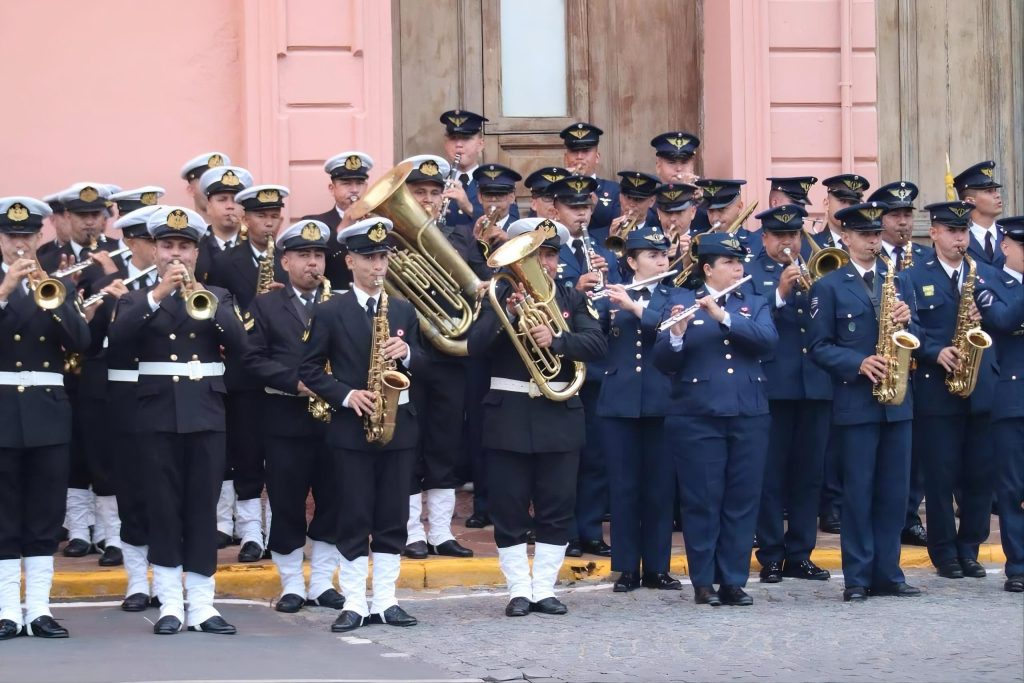
In sport, it is obligatory before official football matches, with fans rising before kick-off. But perhaps the most familiar setting is the school courtyard on a Monday morning, where children across the country have sung it at the start of every week for generations.
In practice, most people only ever sing the first stanza and the chorus. The anthem has seven verses in total, but the opening cry — Paraguayos, República o Muerte — is the one that has lodged itself in the national memory.
Still standing, still singing
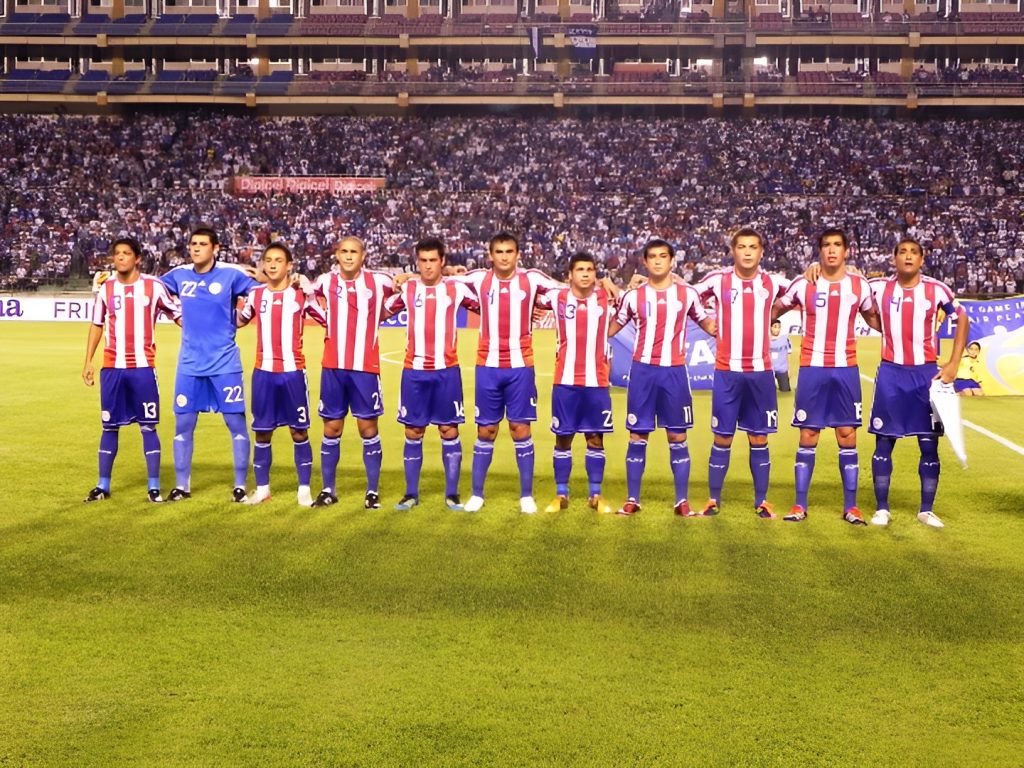
From a Guaraní war poem to a gift from a Uruguayan poet, shaped by composers whose names are still debated, and arranged into its modern form in the 1930s — the anthem’s journey mirrors Paraguay’s broader story: plural in its origins, shaped by outside influence, and yet unmistakably its own.
Every 20th of May, that story is remembered. In school courtyards, in stadiums, in congress halls, people in Paraguay stand and sing a song written for them by someone who never lived among them — and which, 180 years later, remains one of the clearest expressions of who they are.