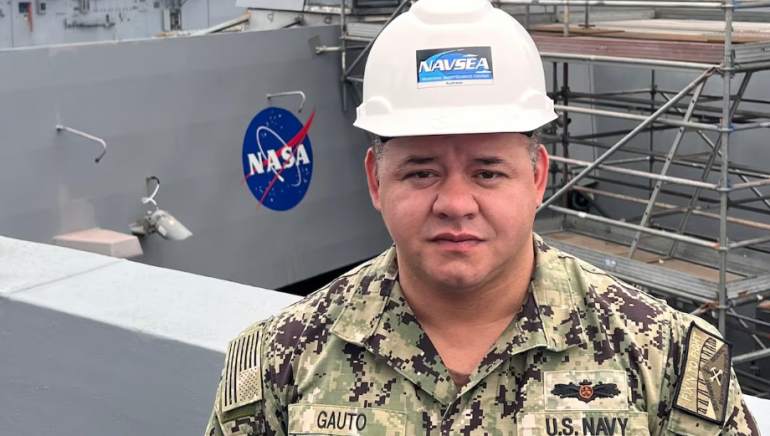

Paraguayan aerospace engineer Hernando Gauto is one of the leading figures behind Artemis II. He holds a key managerial role within NASA. Now, he contributes to one of the most ambitious programmes of the 21th century. He was once rumoured to be part of a moon landing, but now he aims even further.
After more than five decades since the last human missions to the moon, the world is once again looking towards deep space. The upcoming Artemis II mission marks a historic step in modern space exploration, as it will send astronauts back to the moon´s vicinity for the first time in over 50 years.
Hernando Gauto at the heart of Artemis II
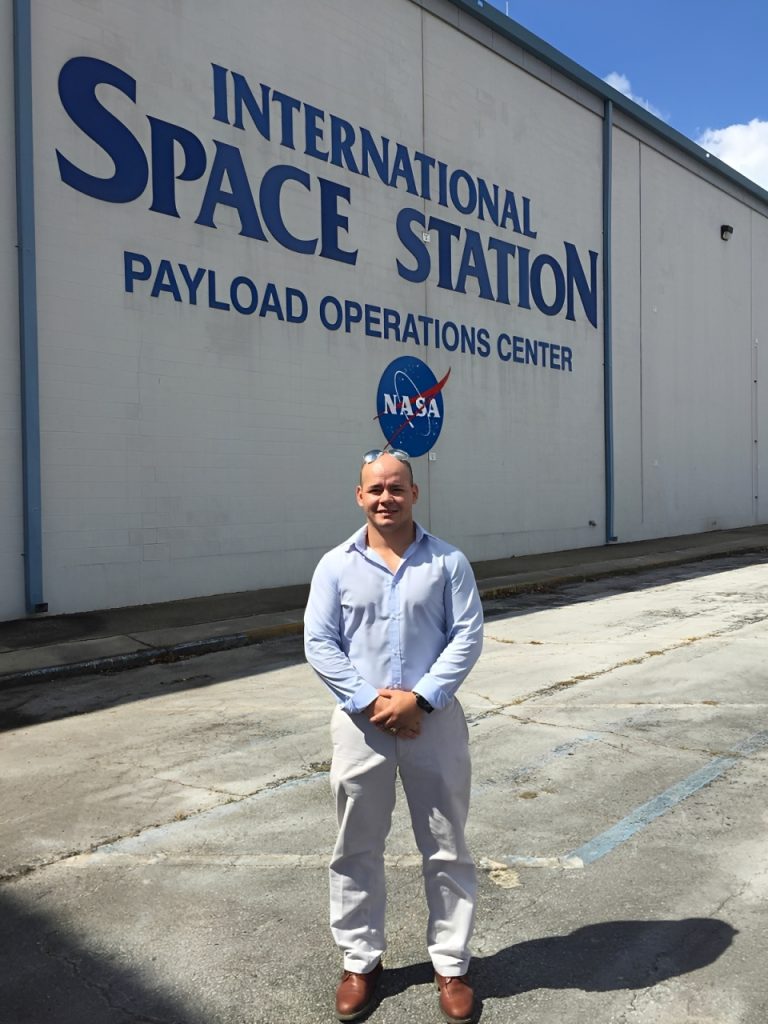
Hernando Gauto has built a nearly two-decade career at NASA. He now serves as principal manager for the Artemis II mission. He was born in Asunción, in the traditional Barrio Jara. Gauto moved to the United States at 12 years old, but does not forget his Paraguayan roots. His journey reflects both personal ambition and long-term dedication to aerospace engineering.
His role in Artemis II involves coordinating critical systems that ensure astronaut safety, particularly those related to life support. These include oxygen supply, water recycling and other essential technologies. These technologies allow human survival in space, making his contribution central to the mission´s success.
Artemis II, named after the Greek goddess and sister of Apollo, represents the next step after the historic Apollo program. It aims not only to return humans to lunar orbit, but also to lay the groundwork for a more sustainable human presence beyond earth. Hernando Gauto is confident to even reach Mars one day.
Mission objectives and future ambitions
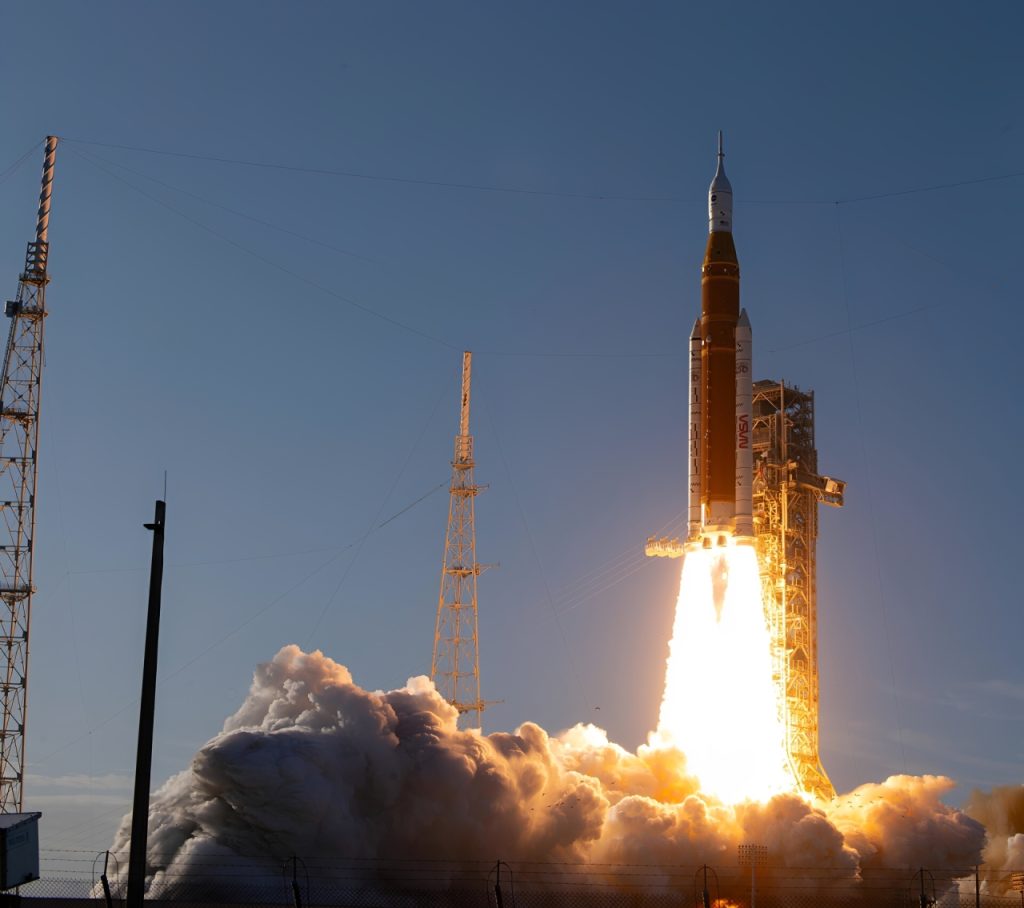
The Artemis II mission was launched from Cape Canaveral on 1 April, 2026. Four astronauts were sent on a 10-day mission around the moon. While the crew will not land, they will orbit the moon, test the Orion spacecraft and the Space Launch System (SLS), and conduct scientific observations.
This mission serves as a crucial preparation phase for future lunar landings. NASA´s broader Artemis programme envisions a return to the moon´s surface by the end of the decade. Later, there are plans to establish a more permanent human presence.
Looking ahead, projections indicate that by 2028, astronauts could not only return to the moon but begin working towards long-term habitation. These efforts are focused on developing sustainable systems, particularly in energy. This issue remains one of the greatest challenges both on earth and in space exploration.
From Paraguay to the path towards Mars
Hernando Gauto´s career began with earlier NASA initiatives such as the Constellation programme before transitioning into Artemis. Over the years, he has specialised in engineering systems that directly impact human survival in extreme environments.
His academic background includes degrees in mechanical and aerospace engineering, as well as advanced studies in environmental and systems engineering. This multidisciplinary expertise aligns with the long-term goals of space exploration, where sustainability and resource management are essential. Beyond the moon, the ultimate objective remains Mars. The Artemis missions are designed as a stepping stone towards deeper space exploration, enabling the development of technologies that could eventually support human life on the Red Planet.
Despite now working from earth in a leadership capacity, Hernando Gauto continues to embody the aspirations of reaching space. His trajectory demonstrates that Paraguayan talent can contribute at the highest level of global scientific and technological advancement, playing a decisive role in shaping the future of humanity beyond our planet.