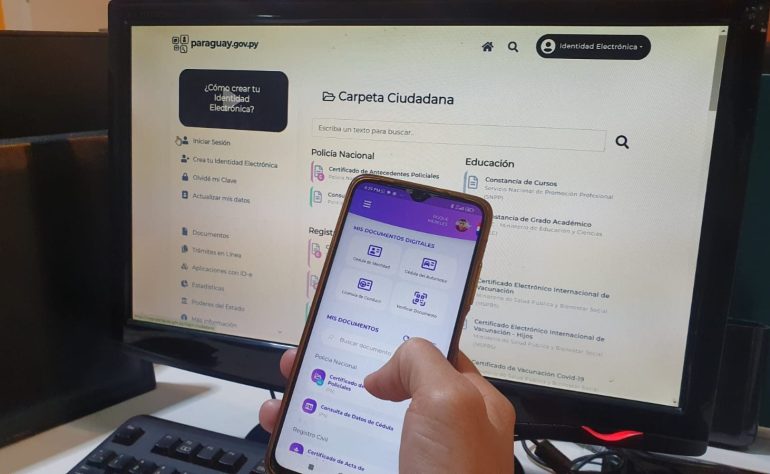

A landmark agreement on the mutual recognition of electronic identification and authentication methods has been approved at the recent Mercosur Summit in Asunción, marking a significant step towards greater regional integration. This cross-border digital ID agreement will grant regional legal validity to the digital identity systems of member states, simplifying cross-border interactions for millions of citizens and businesses.
The achievement is a major highlight of Paraguay’s pro tempore presidency of the trading bloc. It establishes a crucial foundation for effective interoperability between the electronic identification systems of Paraguay, Argentina, Brazil, and Uruguay. Consequently, this development paves the way for a more streamlined and digitally connected economic community.
A result of long-term efforts
During preparatory meetings for the Summit, officials emphasised that the agreement represents the conclusion of a detailed technical process. This process was initiated during Paraguay’s Pro Tempore Presidency in 2024. Furthermore, it was consolidated during the third ordinary meeting of the Digital Agenda Group (GAD), which took place in Asunción on 18 June. The sustained effort behind this initiative demonstrates a long-term commitment to modernising the bloc’s internal processes and delivering tangible outcomes for its population.
The accord has been hailed as a testament to the bloc’s capacity for strategic planning and execution. An official statement highlighted the significance of the accord.
This is a particularly relevant result, as it concludes work initiated during Paraguay’s 2024 Pro Tempore Presidency and reflects Mercosur’s ability to develop long-term initiatives that generate concrete benefits for the public.
Practical benefits for citizens and trade
The agreement formally establishes the mutual recognition of high-security electronic identification and authentication methods for individuals. The primary objective is to ensure that a digital identity issued in one member country is legally recognised in another. As a result, this will allow citizens and companies to carry out official procedures, access digital services, and manage cross-border operations with enhanced ease, security, and legal validity. In the future, this means a Paraguayan citizen could use their national digital identity to access official platforms in other Mercosur countries without needing to travel or present physical paper documents.
To illustrate the practical impact, a Paraguayan entrepreneur looking to export products to Brazil could manage essential permits, certifications, or other administrative processes directly from Paraguay. They would use their own national digital identity, which would carry the same legal weight as if they had completed the transaction in person. This change is expected to dramatically reduce bureaucratic hurdles and the costs associated with cross-border trade, fostering a more dynamic economic environment within the bloc.
Strengthening technical cooperation and security standards
Beyond its practical applications for individuals and businesses, the agreement also serves to strengthen regional technical cooperation. It actively promotes interoperability between national systems and establishes common standards for security, validation, electronic authentication, and the protection of personal data. These shared protocols are vital for building trust and ensuring the integrity of the integrated digital ecosystem across South America.
The accord includes provisions for high-level requirements to guarantee reliability in digital identification processes. Additionally, it outlines mechanisms for ongoing cooperation between the designated authorities in each member state, ensuring the system remains robust and secure as technology evolves. This collaborative framework is essential for maintaining confidence in the cross-border digital identity system.
The cross-border digital ID agreement path
This significant advancement was made possible through the coordinated work of Paraguay’s Ministry of Industry and Commerce (MIC) and the Ministry of Information and Communication Technologies (MITIC). Their joint efforts have consolidated an agenda focused on reducing bureaucratic barriers and accelerating the region’s digital transformation, aligning Mercosur with global trends in digital governance.
With this step, Mercosur is progressing towards a more modern, connected, and people-centric form of integration. Technology is being positioned as a key tool to simplify administrative procedures, stimulate trade, and generate new opportunities for development across the region. However, the agreement’s entry into force is still subject to ratification by the national congresses of each member state. This final legislative step is crucial for the framework to become fully operational and for its benefits to be realised by the public.
Also read: Mercosur Celebrates 34 Years Since The Historic Signing Of The Treaty Of Asunción.