
Paraguay’s General Directorate of Health Surveillance (DGVS), under the Ministry of Public Health and Social Welfare (MSPBS), reports that it is conducting epidemiological and sanitary investigations following the confirmation of 4 foodborne botulism cases in Asunción. Botulinum poisoning is a rare but life-threatening condition caused by toxins produced by Clostridium botulinum bacteria.
All cases are in adults and are presumably associated with the consumption of food in a commercial establishment in a shopping centre in Paraguay’s capital, Asunción.
About botulism
Foodborne botulism, according to the MSPBS, is a rare but serious illness that can result from consuming food contaminated with a toxin produced by the anaerobic bacterium Clostridium botulinum. It occurs when improperly stored or home-packaged food is consumed without the necessary heat treatment to destroy the spores, where the toxin has already formed and accumulated inside the container.
Symptoms usually appear between 12 and 36 hours after consuming contaminated food, although in some cases they may appear several days later. It is important to note that this illness is not transmitted from person to person.
Symptoms and prevention
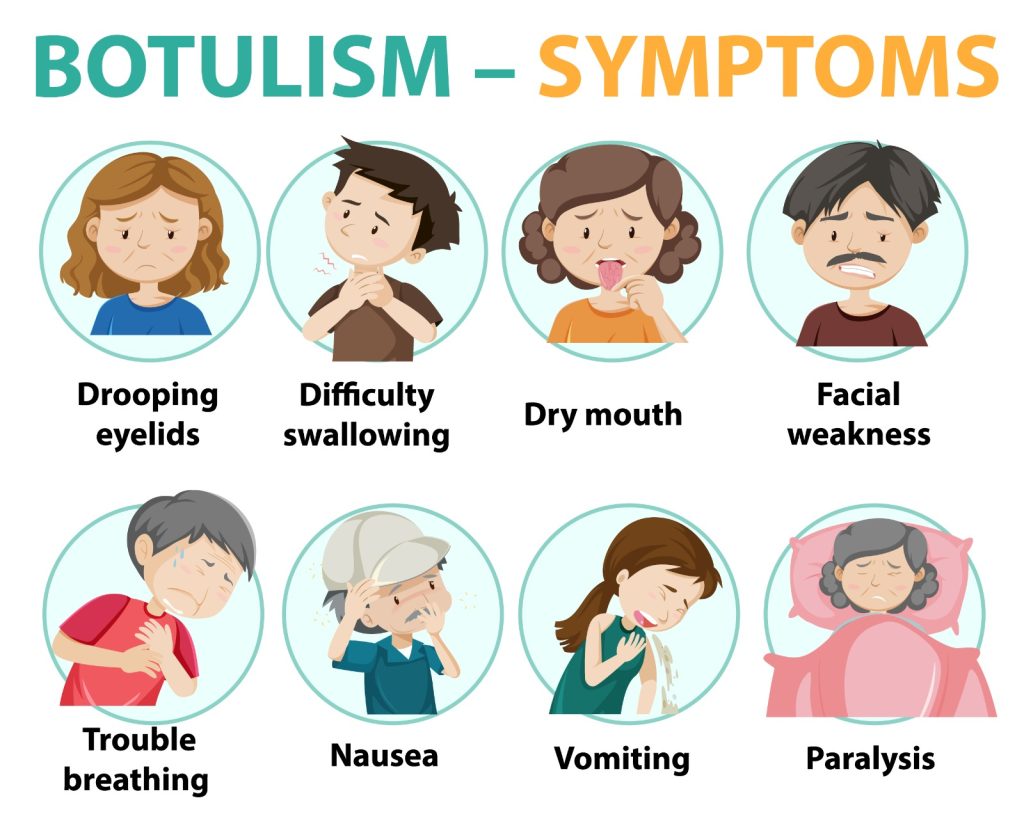
Foodborne botulism is characterised by presenting as a descending flaccid paralysis.
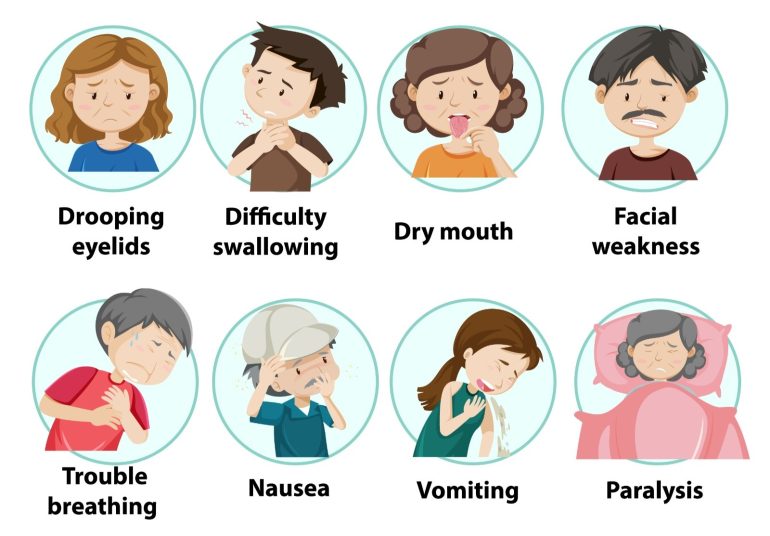
- Vision problems. Double or blurred vision, difficulty keeping eyelids open (droopy eyelids).
- Difficulty speaking or swallowing. The person slurs their words, has difficulty expressing themselves clearly, or has trouble swallowing food or saliva.
- Markedly dry mouth with no apparent cause.
- Weakness in the body. A lack of muscle strength that begins in the head (face and neck) and gradually moves down to the arms, chest, and torso.
Foodborne botulism prevention is based on the proper preparation, preservation and handling of food. In this context, the Ministry of Health reminds citizens of the importance of purchasing food products from authorised establishments, verifying storage conditions, and avoiding the consumption of food that shows alterations in its packaging or unusual characteristics.
Response and protocols activated
Since the notification of the botulism cases in Asunción in June, inter-institutional technical teams, including the health services of the national health system where the patients are admitted, immediately activated the protocols for clinical management, diagnosis, epidemiological investigation, monitoring, and health verification.
This has been done in coordination with the National Directorate of Health Surveillance (DINAVISA), the National Service of Quality and Animal Health (SENACSA), and the Central Public Health Laboratory (LCSP).
Implemented actions and patient support
As part of the implemented actions, inspection, traceability, sampling, and technical analysis tasks are being carried out, in addition to the established health and administrative procedures, according to the competencies of each intervening institution. Simultaneously, epidemiological monitoring and clinical support are being provided to the affected individuals, who receive specialised care in intensive care and in the general ward.
The General Directorate of Health Surveillance will continue to report on the progress of the investigation through the corresponding official channels.
Also read: Your Guide To Hospitals And Medical Care In The Asunción Metropolitan Area.