
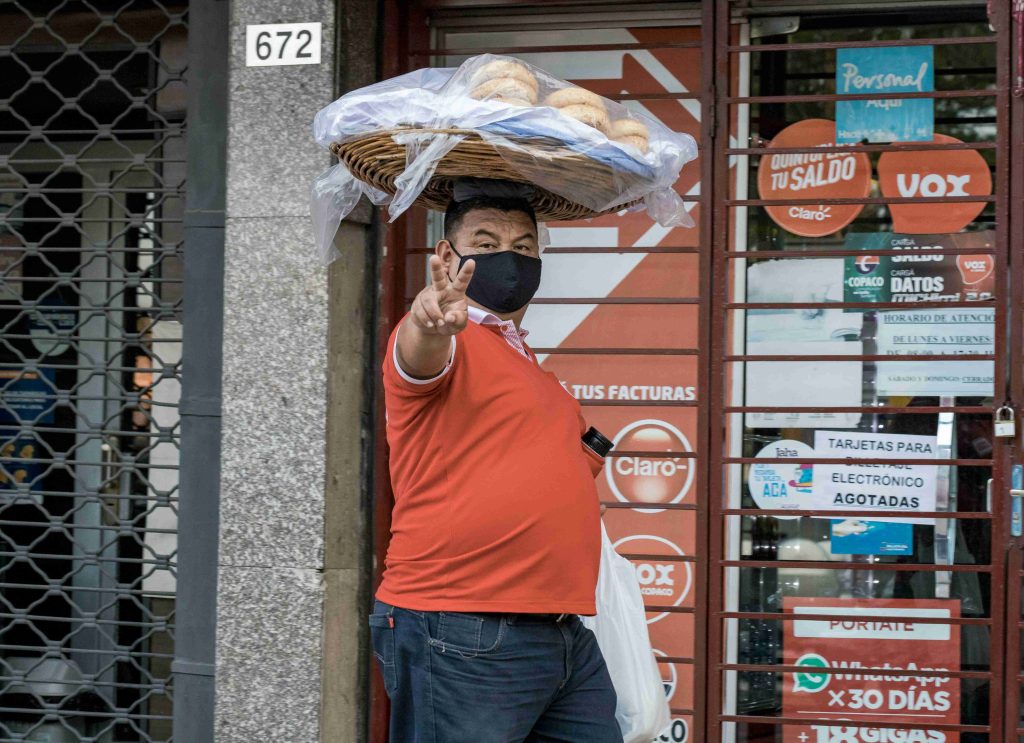
By mid-morning, Palma street in downtown Asunción is already busy with chiperas. One sets her flat basket down on a low stool, chipas piled beneath a white cloth to keep them soft, and calls out her prices to office workers filing past. A few blocks away, another vendor climbs onto a passing bus with the same covered basket, offering chipa to passengers before the doors close. The same routine repeats across Paraguay every day of the year. This week, that routine gets its own date on the calendar: National Chipa Day.
National Chipa Day is celebrated annually on the second Friday of August, falls on Friday, 14 August 2026, the second Friday of the month, the day when the country’s best-loved bread takes centre stage as a symbol of national identity rather than simply a snack.
The law behind National Chipa Day
National Chipa Day exists because of legislation, not custom alone. Law No. 5,267 of 2014 declared chipa the national food of Paraguay and fixed the second Friday of August as the date to celebrate it, adopting a local festival first held in Eusebio Ayala, formerly Barrero Grande, in honour of the town’s chipa producers.
The day should not be confused with the chipa tradition tied to Holy Week, when families prepare large batches for the days meat is avoided. National Chipa Day is a modern civic celebration, closer in spirit to a day of national pride than a religious observance.
What exactly goes into a chipa?
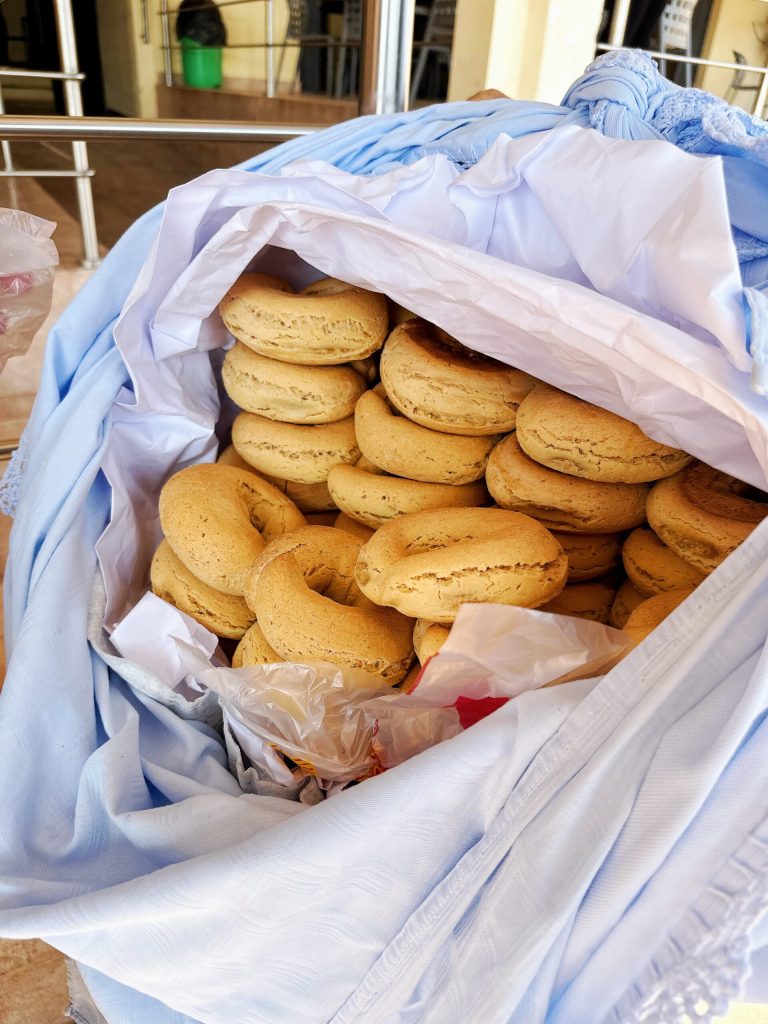
Chipa is a baked bread roll made primarily from cassava starch and Paraguayan cheese, a firm, salty local cheese.The dough typically also includes eggs, milk, oil, aniseed, and salt, and sometimes corn flour. Traditionally, cooks bake it in a wood-fired tatakua, a domed clay oven, but home ovens are now just as common.
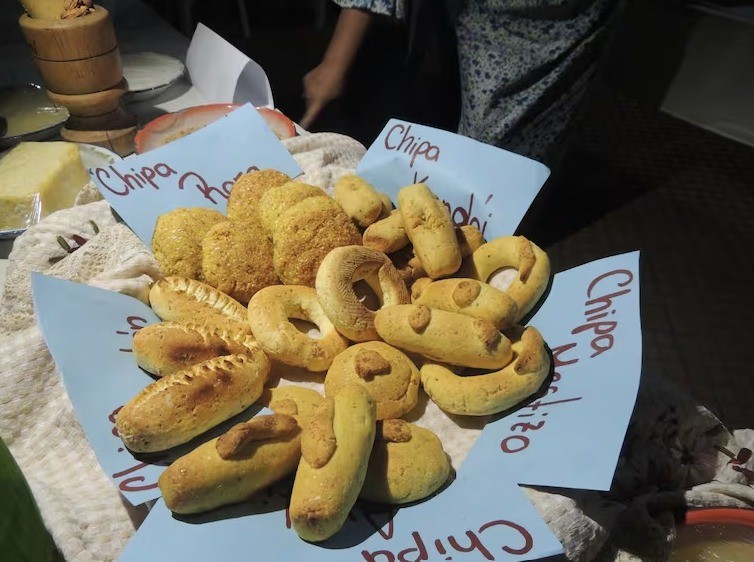
The classic version, chipa aramirõ, is what most people mean by “chipa” alone, but researchers have catalogued dozens of variations: chipa mestiza blends corn flour into the dough, chipa so’o is stuffed with seasoned minced meat, and chipa caburé is wound around a stick and cooked over open embers rather than baked. More than seventy such recipes carry the chipa name, a legacy of the Cario-Guaraní people, who baked cassava bread long before European contact. Jesuit and Franciscan missionaries later added cheese, eggs and milk, ingredients unknown to pre-colonial Guaraní cooking. Historians call this blending mestizaje, or cultural and ethnic mixing. It shapes how people talk about chipa today.
Chipa is neither purely Indigenous nor purely European, but a product of both traditions.
A family affair, all year round
Ask most Paraguayans where they learned to make chipa, and the answer tends to involve a grandmother or mother rather than a cookbook. Kneading the dough, judging when a wood-fired tatakua has reached the right heat, shaping the rings by hand: these skills are passed down within families, most visibly during Holy Week, when generations gather on Holy Wednesday for chipá apo, a shared session of dough-making and baking, and again on 3 May, the Day of the Cross.
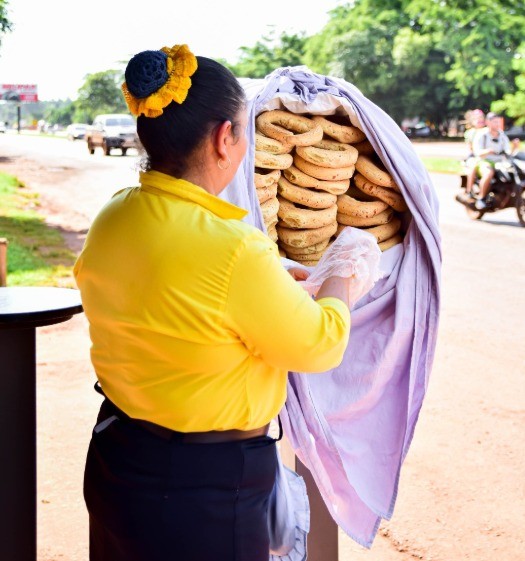
Yet chipa is not seasonal food. People eat it year-round, most often at breakfast alongside (mate cocido), or as tereré rupa, a food eaten before drinking cold tereré. That everyday demand keeps chiperas and chiperos, professional chipa sellers, in business at bus terminals and street corners nationwide, well beyond Easter.
From national heritage to a UNESCO bid
In 2015, Paraguay’s culture ministry issued Resolution 829, declaring the artisanal and industrial techniques behind chipa as Intangible Cultural Heritage, protecting not the recipe but the oral knowledge and family transmission that keep it alive. Officials often call chipa pan sagrado, or sacred bread.
Paraguay now wants that symbolism recognised beyond its borders. In February 2026, the National Committee for the Safeguarding of Intangible Cultural Heritage, chaired by Culture Minister Adriana Ortiz, approved a formal candidacy for chipa to join UNESCO’s Representative List of the Intangible Cultural Heritage of Humanity, seeking to protect the festive calendars and culinary knowledge built around it. Paraguay formally submitted the bid in early April, and the file now awaits evaluation ahead of a future UNESCO session. If successful, it would join Paraguayan traditions already recognised, such as tereré and the guarania musical genre.
Small bread, large idea
Back on Palma street, the basket empties quickly. A student buys two on the way to class; a commuter takes four, still warm, for the rest of the day. Neither is thinking about resolutions or UNESCO committees; they are thinking about breakfast.
That, in the end, is the point officials keep returning to. The bread itself is simple: cassava starch, cheese, a hot oven. What Paraguay is asking the world to notice is everything around it, the grandmothers, the tatakua, the roadside sellers, and a piece of everyday food that has quietly carried the country’s identity for generations.