
Researchers from the Faculty of Exact and Natural Sciences at the National University of Asunción (FACEN-UNA) have published a guide documenting the traditional use of wild edible plants by Mbya Guaraní communities in Itapúa. The publication aims to preserve centuries of indigenous knowledge while highlighting the importance of Paraguay’s biocultural heritage.
The Guide to Wild Edible Plants of the Mbya Guaraní of San Rafael records 38 native plant species traditionally gathered for food. Researchers hope it will become a valuable resource for scientists, educators and indigenous communities. They also hope it will preserve knowledge that might otherwise disappear.
The guide comes at a time when deforestation and land-use changes are placing increasing pressure on the Atlantic Forest, threatening both biodiversity and the traditional food systems that have supported Mbya Guaraní communities for generations. This guide follows another recent FACEN-UNA discovery, documenting Paraguay’s first recorded freshwater jellyfish.
Knowledge passed down through generations
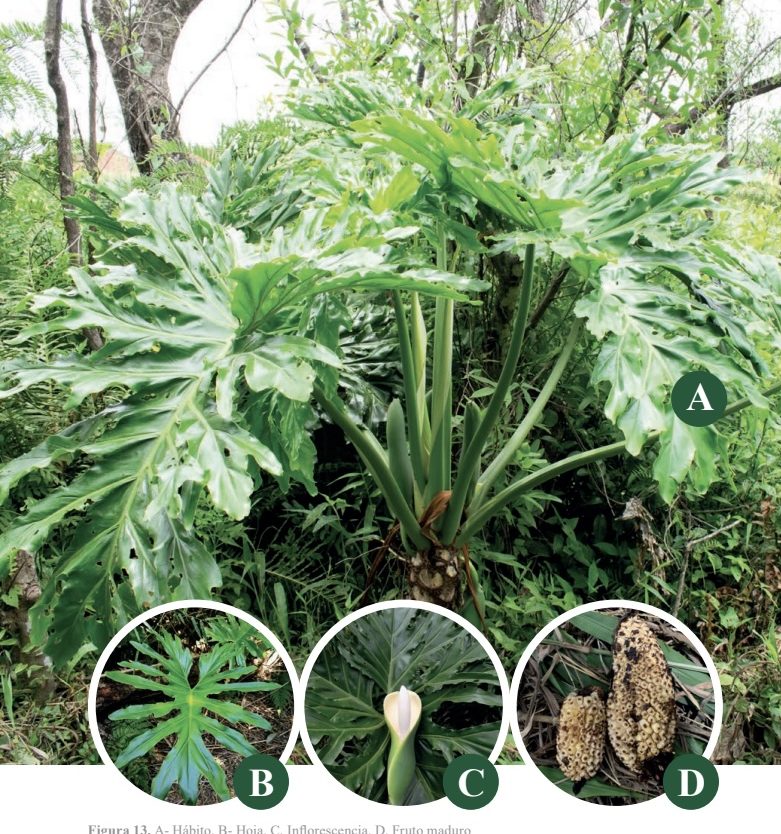
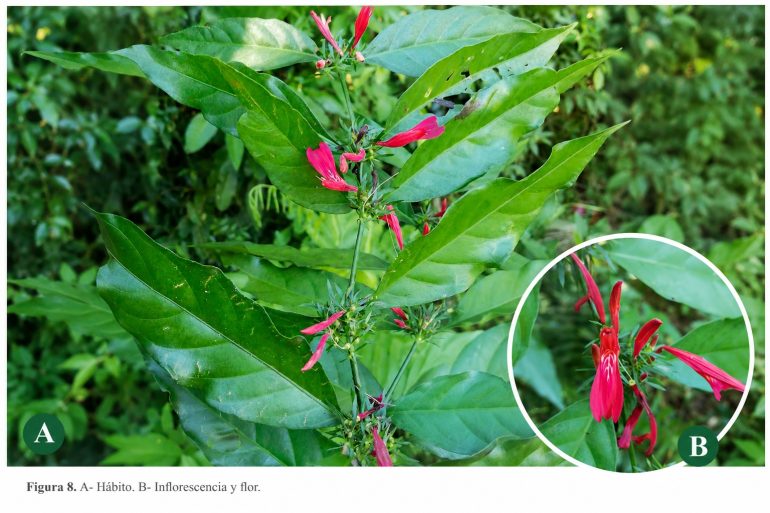
The guide documents knowledge that Mbya Guaraní communities have passed down through generations about native food plants. It documents edible fruits, roots, leaves and shoots collected from forests and other natural environments. Among the species included are pindó (Syagrus romanzoffiana), guembé (Thaumatophyllum bipinnatifidum), pakurí (Garcinia gardneriana) and guavira (Campomanesia xanthocarpa).
Each entry includes the plant’s scientific name and its Mbya Guaraní name. It also features photographs, habitat information and traditional preparation methods. The guide explains how each plant is traditionally eaten.
The researchers emphasise that these plants are not simply food sources. They form part of food systems that have sustained Mbya Guaraní communities for generations.
Protecting more than biodiversity
Researchers conducted the study in communities within and around the San Rafael National Park Reserve, one of the largest remaining areas of the Alto Paraná Atlantic Forest. Covering around 73,000 hectares, the reserve contains sub-humid forests, riverine forests, savannahs and community lands. It also provides the Mbya Guaraní with medicinal plants, construction materials and resources used in cultural and spiritual practices.
Researchers warn that deforestation and agricultural expansion are threatening native plant species. Many indigenous communities have relied on these plants for generations. The guide reflects broader efforts to preserve indigenous knowledge and cultural heritage in Paraguay.
Science and traditional knowledge
Community leaders and traditional knowledge holders from the Pindo’i, Pindoju and Arroyo Morotĩ communities played an active role throughout the project, ensuring the guide reflects knowledge shared by the Mbya Guaraní themselves.
The authors stress that this knowledge forms part of the collective intellectual heritage of the Mbya Guaraní people. The authors say science and indigenous knowledge should work more closely together. They believe this will help protect biodiversity, strengthen food security and preserve Paraguay’s cultural heritage. The research team included María Idalicia Vera Jiménez, Marcelo Dujak, Bonifacia Benítez, Pamela Marchi, Mariana Martínez and Sara Núñez Meza.
The guide was produced as part of the project The Edible Wild Plant Species of the Mbya Guaraní Communities of the San Rafael National Park Reserve, Itapúa, Paraguay. The project received funding from the National Council of Science and Technology (CONACYT) through the PROCIENCIA Programme, with support from the Fund for the Excellence of Education and Research (FEEI).