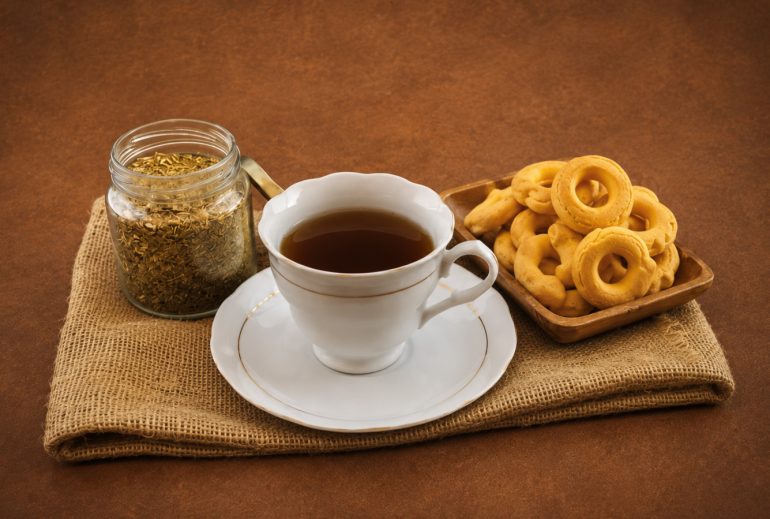

Paraguay’s smoky cocido quemado has won international recognition, after TasteAtlas, the Croatia-based gastronomy guide with a large following, recently dedicated a video to the drink. Cocido quemado is a sugar-and-yerba mate infusion that many Paraguayans drink every morning. The video was shared on TasteAtlas’s social media channels. The video praised the drink’s rustic preparation method, in which a live ember is used to burn the sugar. Additionally, the video said the resulting flavour could not be recreated with modern kitchen appliances.
The recording was done by Guido Penayo, a Paraguayan cook who shares traditional recipes on social media. His footage shows the process: a live coal placed onto sugar and citrus peel, then yerba mate added, before hot water or milk is poured over the mixture and strained.
The clip quickly circulated among Paraguayan users and was picked up by local media, who described the moment as a source of national pride. It is not the first time TasteAtlas has praised Paraguayan food. The guide previously named vori vori, a chicken and cornmeal soup, the best soup in the world for two years running. Also, included chipa among the world’s finest breads.
What exactly is cocido quemado?
For readers unfamiliar with Paraguay, cocido quemado is a hot, sweetened drink made from yerba mate. That is the same leaf used to make tereré, the cold infusion widely recognised as Paraguay’s national drink. What sets cocido quemado apart is the sugar: it is deliberately burned before the yerba mate and water are added, giving the drink a smoky, caramelised taste that ordinary sweetened infusions cannot match.
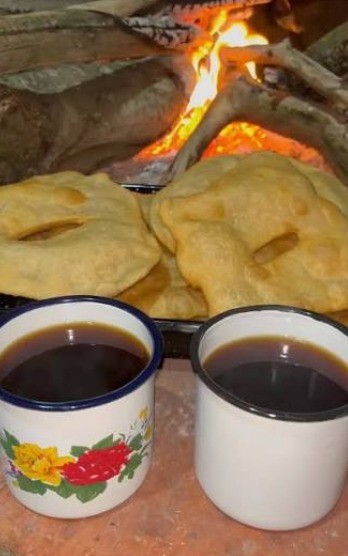
It is typically drunk at breakfast or in the late afternoon, often alongside chipa, a baked cheese bread made from cassava starch, or mbeju, a flatter, pan-fried version of the same dough. The pairing is considered one of the most recognisable flavour combinations in Paraguayan cooking. The drink remains a fixture of Paraguayan mornings, sold at bus stops, roadside stalls, and petrol stations. Also, served in homes across the country regardless of season, though demand rises during the cooler winter months, from around June to August.
The ember is the secret
TasteAtlas placed particular emphasis on the technique, describing it as something no electric stove or kettle could replicate. According to the guide, a live, glowing coal is placed directly onto a plate holding sugar and orange or lemon peel. The heat melts and caramelises the sugar almost instantly, while the citrus peel releases its aromatic oils, producing a smoky, fragrant base.
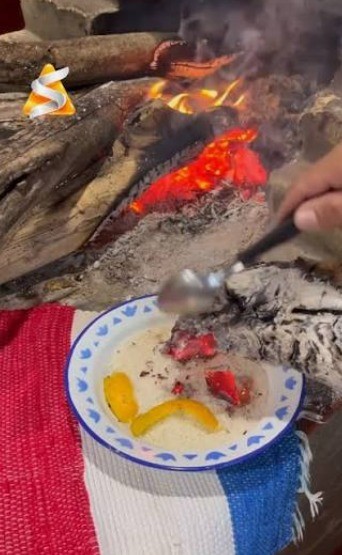
Yerba mate is then added to the scorched mixture, toasting alongside the melted sugar. Once everything is charred and caramelised, boiling water or hot milk is poured over it to dissolve the base, and the liquid is strained. Paraguayan households often use embers left over from a Sunday asado, or barbecue, rather than lighting a fire for the purpose.
The ember method is considered the most traditional, though not the only one. Some cooks simply caramelise the sugar in a pan over a flame, skipping the coal altogether. Others prepare pre-toasted blends of sugar, yerba mate, aniseed, and dried orange peel that can be stored and mixed with hot water on demand.
A drink with colonial-era roots
The drink’s history is tied to the arrival of European ingredients in Guaraní territory. According to research cited by chef Vidal Domínguez, early missionary accounts describe Indigenous Guaraní communities boiling yerba mate overnight and drinking it the next day as a refreshing infusion. The drink was sweetened with wild honey long before cane sugar arrived with Spanish colonisers, who brought the sweeteners and methods that gave rise to today’s burnt-sugar technique.
In the early twentieth century, Paraguayan president Eligio Ayala tried to raise the profile of yerba mate among the country’s elite, at a time when cocido was regarded mainly as a drink of the poor. Government efforts to promote yerba mate exports helped shift public perception, and the drink became a staple across Paraguayan society. Tereré, its cold counterpart, was later declared Paraguay’s National Cultural Heritage and National Drink under a 2011 law.
Why the recognition matters
While tereré remains Paraguay’s best-known beverage abroad, cocido quemado’s newfound attention suggests growing international curiosity about the country’s lesser-known culinary traditions. TasteAtlas has a large following among food enthusiasts and travellers, and its earlier recognition of vori vori and chipa has been credited by Paraguayan commentators with drawing renewed tourist interest in the country’s food culture.
For Paraguayans, however, cocido quemado needs no introduction and no international validation. Served in homes, schools, and roadside cafés alike, it remains, above all, the smell of a winter morning and a taste passed down from one generation to the next.