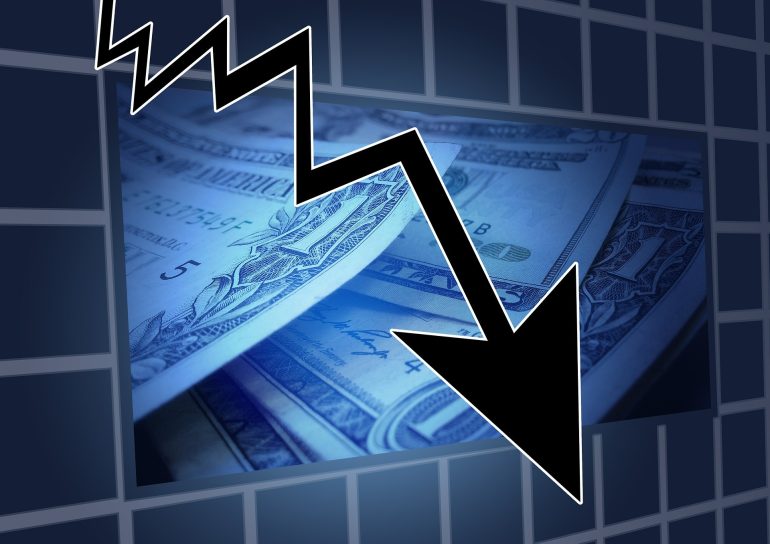

The US dollar has fallen to its lowest level against Paraguay’s guaraní in five years. The Paraguay dollar exchange rate reached ₲6,330 per dollar in retail markets on 24 April 2026, down approximately 21% from around ₲8,000 per dollar a year ago. The decline reflects a combination of strong domestic export performance and a broader global weakening of the US currency.
What exchange data shows about the dollar in Paraguay
Data from Paraguay’s Central Bank (BCP) confirm the trend. The guaraní has appreciated nearly 20% against the dollar over the past twelve months. According to the BCP’s April 2026 Survey of Economic Variable Expectations (EVE), the Paraguay Dollar exchange rate is forecast to reach ₲6,700 per dollar by the end of 2026 and ₲6,900 by the close of 2027. The same survey projects GDP growth of 4.2% for 2026, reflecting an economy that analysts regard as broadly stable.
Why is this happening?
The main driver is domestic. Paraguay recorded a trade surplus in the first quarter of 2026, with soya exports, currently at record harvest levels, bringing a significant volume of dollars into the local market. A larger supply of US dollars, combined with lower domestic demand for the currency, has pushed the rate down.
Economist Pablo Céspedes told local media factors have been building since late 2025. He cited reduced money circulation, which eased pressure on the dollar. “There is no element I can see that would push the rate back up significantly,” Céspedes said, adding that a major rebound would require an extraordinary event.
Global factors reinforced the trend as the US dollar weakened worldwide amid trade tensions and Middle East instability.
Emil Mendoza said market intervention cannot reverse the trend. He warned a stronger guaraní creates structural challenges for Paraguay’s export-driven economy.
Why prices are not falling
For most Paraguayans, the stronger guaraní has yet to translate into lower prices at the shops. Imported goods make up about 30% of Paraguay’s consumer price index basket, according to official data. In theory, a cheaper dollar should reduce the cost of those goods.
In practice, the impact has been limited. Céspedes explained that those same global disruptions, including rising fuel prices and higher freight costs, are inflating the price of goods at their point of origin, partly offsetting the gains from the weaker dollar. “The lower dollar should be reflected in household costs, but that is not happening,” he said.
Winners and losers
Not everyone benefits equally from a weaker dollar. Importers stand to benefit the most, as goods priced in dollars become cheaper to bring into Paraguay. Consumers with dollar-denominated debts and guaraní-denominated incomes, common among buyers of new vehicles, also benefit directly.
Travellers heading abroad also gain: those exchanging guaraníes ahead of the winter holiday period, or planning to attend the 2026 FIFA World Cup in the United States, Mexico, and Canada, are getting more dollars per guaraní than they would have a year ago. Online shopping platforms priced in dollars, such as international e-commerce sites, have also become more affordable for Paraguayan buyers.
On the other side, exporters, particularly those in the agricultural sector, receive fewer guaraníes for each dollar earned abroad, squeezing margins. There is also a risk that reduced dollar revenues translate into lower tax receipts for the government.
What to expect next
Analysts do not foresee a sharp reversal in the near term, but the dollar could stabilise in the second half of 2026. Paraguay’s import cycle typically intensifies from July onwards, as businesses stock up ahead of the year-end retail season, increasing demand for dollars.
Mendoza also pointed to broader international dynamics. Several major economies are considering measures to support the dollar’s value in order to protect their own export competitiveness. “We could see 2027 bring an adverse trend in which dollar appreciation predominates,” he warned.
For now, the guaraní’s strength reflects an economy that is performing solidly in macroeconomic terms. The disconnect between that headline performance and the daily cost of living remains the central challenge, and the conversation most Paraguayans are having.