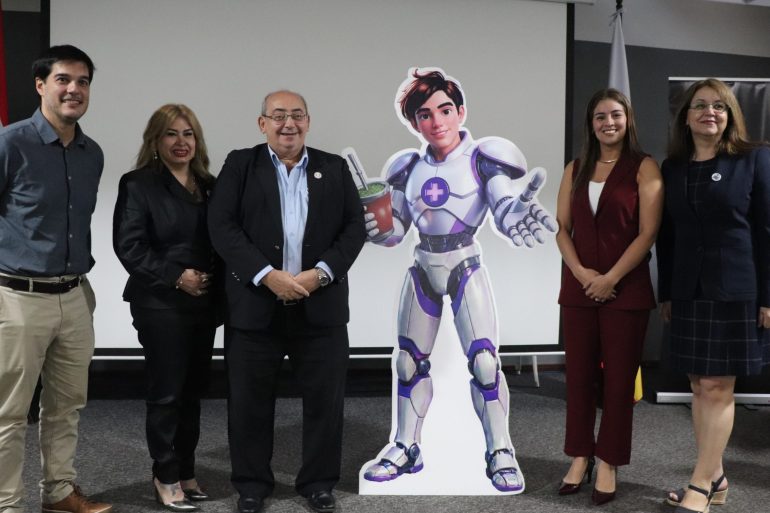

A new digital tool named Angirũ Bot has been developed in Paraguay to improve access to HIV testing and strengthen adherence to treatment programmes. The initiative is a key component of the “Rompiendo Cadenas” (Breaking Chains) project. Furthermore, it forms part of a randomised controlled trial designed to evaluate the effectiveness, acceptability, and usability of digital interventions for vulnerable young people and adults living with HIV.
The name for the tool, Angirũ, comes from the Guarani word for “companion,” reflecting its purpose of offering accessible, confidential, and continuous support to users. The system functions as a chatbot that can respond to queries in Spanish, Guarani, and jopará, a widely spoken mix of the two languages. Consequently, it facilitates access to validated information, sends reminders for taking medication, and provides personalised educational materials.
Angirũ Bot: A companion for accessible support
Currently, Angirũ Bot is in a testing phase. The initiative has received substantial financial backing from the National Council of Science and Technology (CONACYT). A total of ₲9,500,000,000 (approximately US$1.5 million) in funding has been allocated to the project to support its development and implementation.
The technological development of Angirũ Bot was managed by the Faculty of Informatics at the Universidad Comunera. The project was coordinated by Margarita Ruiz Olazar, who highlighted the strategic choice of a popular messaging platform. She noted that using an application like WhatsApp ensures greater accessibility by leveraging a tool already widely used by the population.
The tool is designed to be a discreet and readily available resource. It allows individuals to seek information and support without the fear of stigma that can often be a barrier to accessing traditional health services. The chatbot’s multi-lingual capability is particularly important for reaching a broader demographic across Paraguay, ensuring that language does not become an obstacle to receiving vital health information and care.
Harnessing technology for public health
During the official launch event for the Angirũ Bot digital tool, Benjamín Barán, president of the National Council of Science and Technology (CONACYT), commended the project. He described it as a clear demonstration of the country’s potential to generate technology with a significant social impact. Barán stated that initiatives like Angirũ Bot prove it is possible to build innovative solutions from within Paraguay.
Pablo Martínez Acosta, the dean of the Faculty of Medical Sciences, also spoke at the event. He emphasised that HIV presents both a clinical and a social challenge, one that is frequently marked by stigma, widespread misinformation, and significant barriers to access. For this reason, he highlighted the crucial role of academia in developing innovative solutions that successfully integrate technology with social sensitivity to address these complex issues effectively.
A new strategy to combat rising cases
The project leader, Gloria Aguilar, stressed the urgency of addressing the HIV epidemic with new and effective strategies. Aguilar revealed that Paraguay registers approximately 1,400 new cases of HIV each year, which translates to nearly three new diagnoses every single day. These statistics underscore the critical need for improved public health interventions. She also pointed out the necessity of strengthening support systems and improving access to reliable, verified information for patients.
The launch event included a live demonstration of the chatbot’s functionality. In addition, an interactive session was held, allowing attendees to experience the platform firsthand and understand its practical applications. Currently, Angirũ Bot is in a testing phase. This period will allow developers to adjust and refine its operations based on direct interaction and feedback from initial users, ensuring the final product is both effective and user-friendly.